Egypt Pioneers National AI Competency Framework for Educators, Tailored with UNESCO
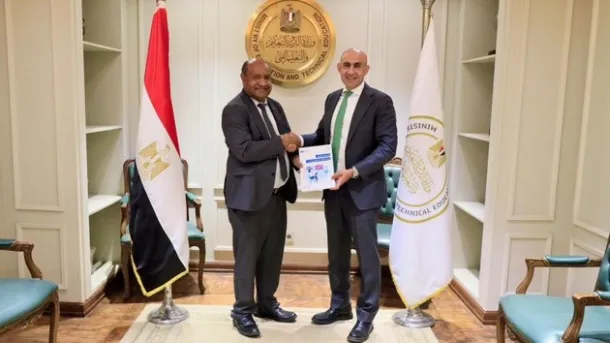
Egypt has become one of the first nations globally to introduce a specialized AI competency framework for its teachers, developed in collaboration with UNESCO. This initiative is designed to integrate artificial intelligence effectively and responsibly into the Egyptian education system, addressing its unique priorities and constraints. The framework aims to equip educators with the necessary skills and ethical understanding to leverage AI for lesson design, personalized learning, and critical evaluation of AI-generated content.
The development process was highly collaborative, involving over 120 stakeholders from various sectors in Egypt, including government, academia, teacher training institutions, and civil society. This broad engagement ensured the framework was meticulously adapted from UNESCO's global guidelines to suit local conditions, aligning with the Sustainable Development Goal 4 and the 2030 education agenda. This project is part of the broader UNESCO-Huawei "Technology-Enabled Open Schools for All" initiative, which supports digital learning across several African countries.
The Egyptian Minister of Education and Technical Education, Mohamed Abdel Latif, emphasized the pivotal role of teachers in any reform effort, highlighting the framework's goal to empower them with digital capabilities and ethical awareness for purposeful AI use. UNESCO reinforced its principle that technology should enhance, not replace, teachers, drawing from its 2019 Beijing Consensus and 2021 Recommendation on the Ethics of AI. This framework operationalizes these global principles at a national level, providing a practical guide for teacher training and curriculum reform.
Looking ahead, Egypt and UNESCO are committed to an action plan that includes training programs, the development of AI master trainers, and the creation of Arabic learning resources. This framework complements other AI education initiatives in Egypt, such as the AI tutor "Sia" for secondary students, reinforcing the idea that effective AI integration requires both well-trained educators and locally relevant tools. The initiative also positions Egypt within a growing group of African nations developing contextualized AI policies, setting a precedent for operationalizing AI ethics in the teaching profession across the continent.
Source
More in policy
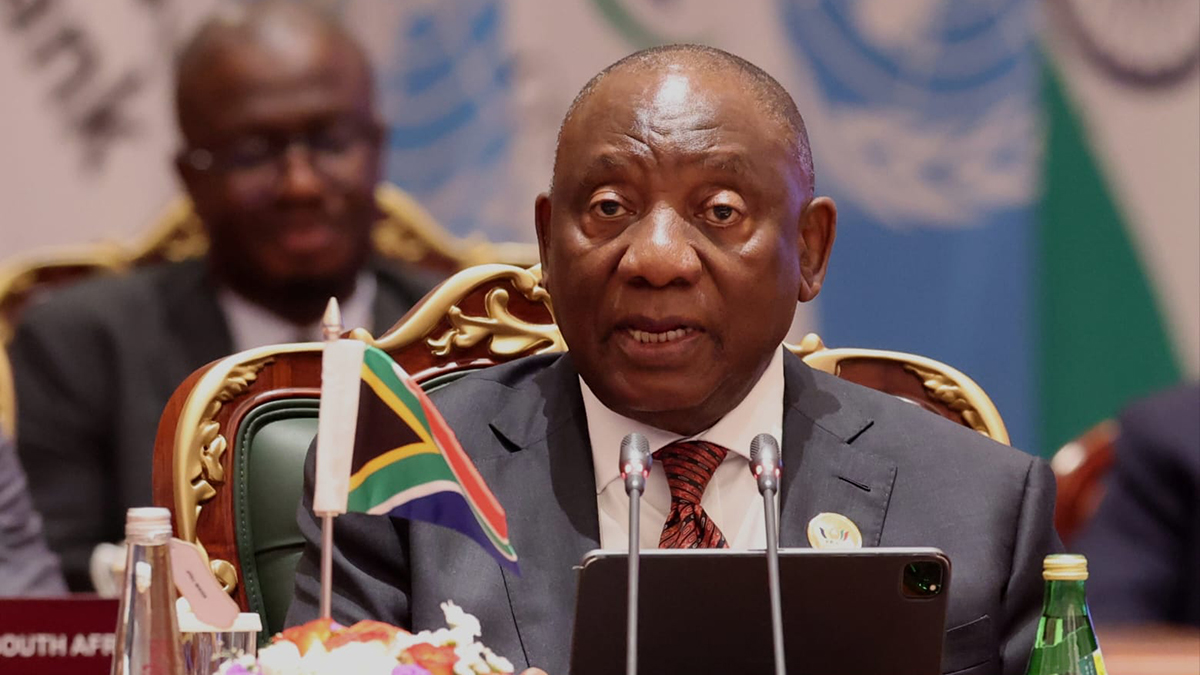
South Africa Leads BRICS Call for Global AI Governance and Independent Evaluation
South Africa, through President Cyril Ramaphosa, is advocating for a robust international framework for AI governance within the BRICS bloc, including independent scientific…
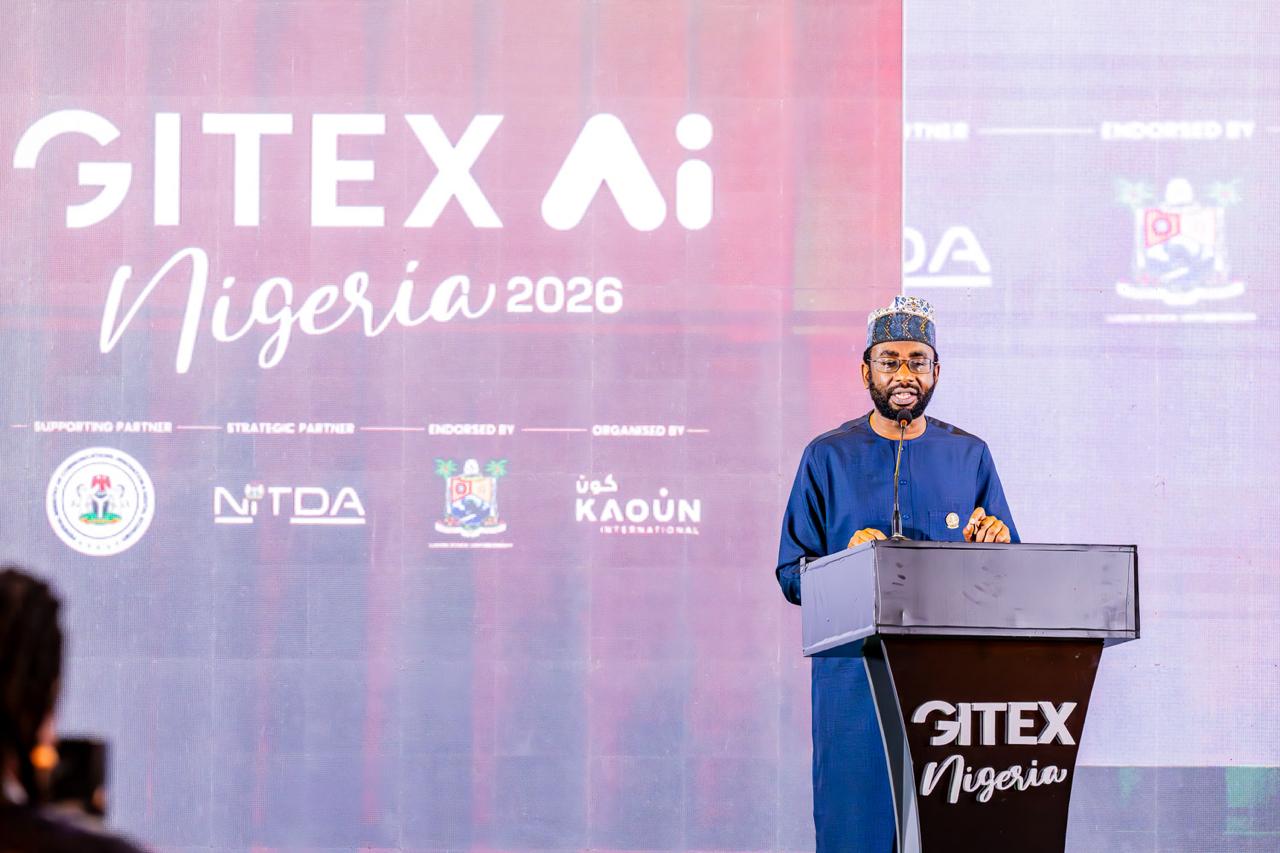
GITEX Nigeria Emphasizes Sovereign AI and Digital Transformation for a $1 Trillion Economy
GITEX Nigeria, a major tech and AI event, has launched in Abuja with a strong focus on advancing the nation's digital transformation and sovereign AI ambitions. Nigerian leaders…

Kenyan Political Operative Used Anthropic's Claude for AI-Generated Election Propaganda
A Kenyan political operative leveraged Anthropic's Claude AI to mass-produce social media propaganda ahead of the 2027 general election, praising government figures and targeting…

Anthropic Uncovers AI-Powered Political Influence Campaign in Kenya
A report by Anthropic details an AI-driven political influence operation in Kenya that used the Claude model to generate social media posts supporting the government and attacking…
The dispatch
One email a day. The AI stories shaping Africa.
Rewritten for clarity, sourced always. No spam; unsubscribe anytime.