Kenya Partners with Stanford for AI-Powered El Ni o Early Warning System and Data-Driven Governance
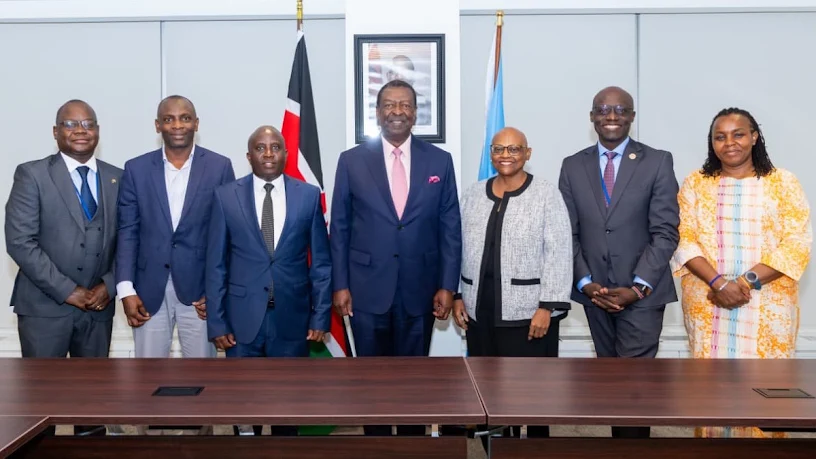
Kenya has entered a five-year agreement with Stanford University's Hoover Institution, specifically its Emerging Markets Working Group, to integrate data and artificial intelligence into its policy-making and economic strategies. The initial project under this framework is an El Ni
o Impact Monitoring and Response System. This system aims to provide county-level intelligence by combining various data sources like climate, geospatial, water, agriculture, and infrastructure, thereby enabling quicker and more coordinated responses to the severe flooding and displacement that past El Ni
o events have caused in Kenya.
The partnership extends beyond this immediate application, with plans for additional tools to enhance investment readiness, policy coordination, and development intelligence through a "Growth, Resilience and Investment Platform." A key objective highlighted by Principal Secretary for ICT John Tanui is to move beyond mere digitization to building a government capable of anticipating challenges, allocating resources efficiently, and fostering new opportunities for its citizens and businesses. The long-term goal emphasizes developing sustainable institutional capabilities in data analytics, monitoring, evaluation, and policy development within Kenya.
While the partnership signifies a significant step for Kenya in leveraging AI for national development, it also raises important questions regarding data governance. The article notes that the agreement does not specify data hosting, processing, or Hoover Institution's access, which is particularly relevant given Kenya's draft AI strategy identifies dependence on foreign technology providers as a sovereignty risk. This collaboration is part of a broader trend of Kenya forging multiple AI and data partnerships globally, positioning itself as a leader in AI policy and deployment in Africa, even as it develops its own national AI strategy and confronts challenges like the misuse of AI in political content.
Source
More in policy

South Africa's Financial Regulator Prioritizes Global Alignment in AI Policy, Delays Local Rules
South Africa's financial regulator is delaying its AI rule-making, choosing to align with upcoming global standards from the Financial Stability Board. This decision reflects a…

Mozambique Leads Africa with National AI Education Regulations
Mozambique is drafting pioneering national regulations for AI use across its entire education system, from primary to university, with a focus on generative AI. This makes it the…

South African Data Regulator Grapples with AI's Challenge to Privacy Laws
South Africa's Information Regulator (InfoReg) is navigating the complex privacy implications of AI, finding its existing data protection laws challenged by new technologies. The…
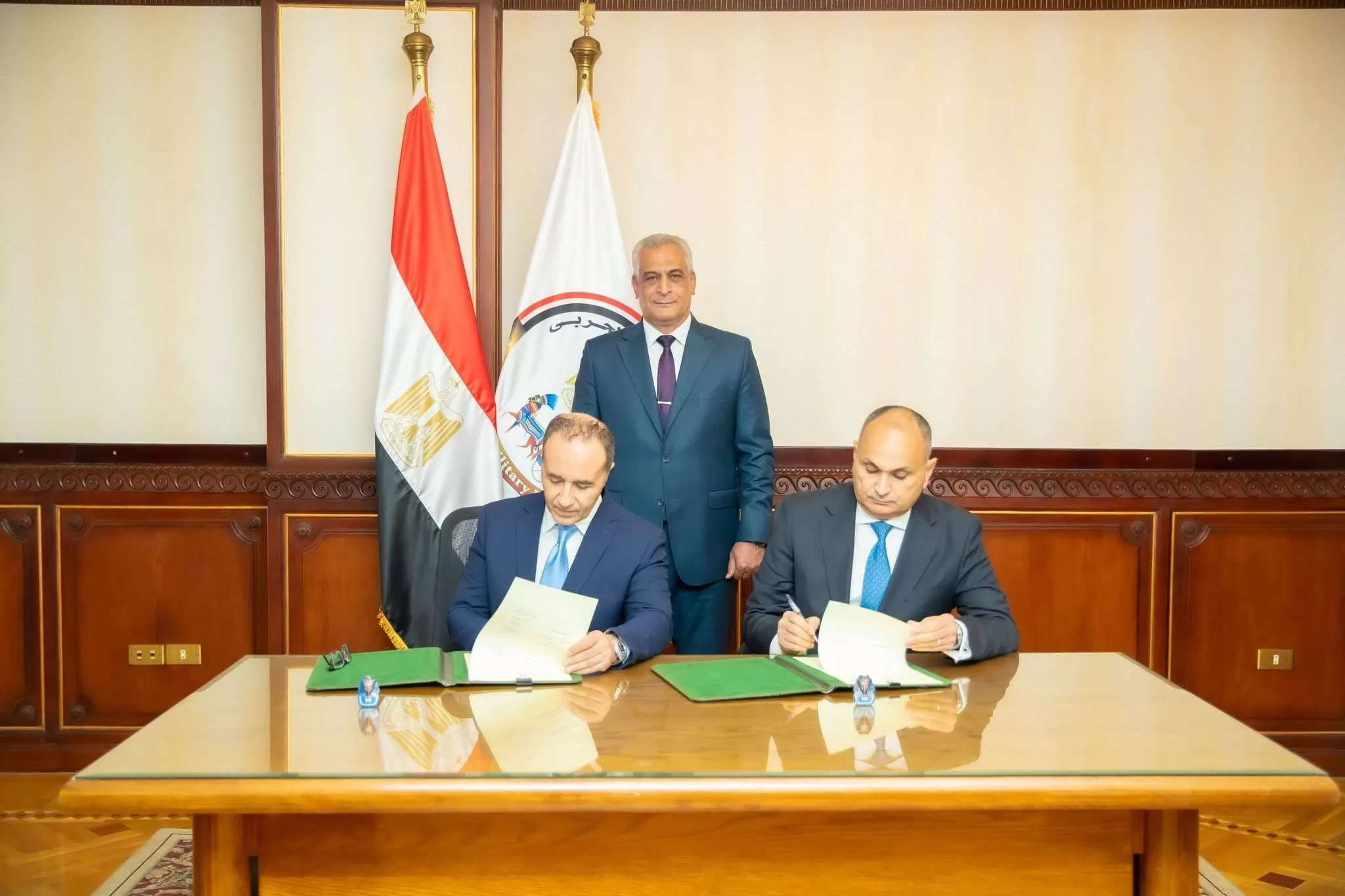
Egypt and Intel Launch Massive AI Skills Initiative Targeting One Million Citizens Annually
Egypt has partnered with Intel on a national initiative to train one million citizens annually in AI skills over three years. This program is a cornerstone of Egypt's National AI…
The dispatch
One email a day. The AI stories shaping Africa.
Rewritten for clarity, sourced always. No spam; unsubscribe anytime.