AI and Big Data: A Strategic Opportunity for Africa's Mining Future

Africa holds a substantial share of the world's critical mineral reserves, which are vital for powering the global energy transition and digital economies. Despite this wealth, the continent's mining sector often contends with challenges stemming from colonial-era infrastructure, outdated geological surveys, and the predominant export of unprocessed raw materials. This situation limits Africa's ability to capture full economic value and often leads to imbalanced partnerships, amidst escalating geopolitical competition for these essential resources.
This report underscores the transformative potential of artificial intelligence (AI) and big data innovations for Africa's mining sector. By adopting these advanced technologies, African nations can strategically overcome historical limitations. AI applications promise to expedite mineral discovery, potentially reducing drilling times by up to 80%, and modernize operational processes. Furthermore, these technologies can de-risk investments, support sophisticated policy modeling, and significantly improve supply chain transparency.
The document advocates for the United States, a global leader in AI, to engage in strategic "smart mining" partnerships with African countries. Such collaborations would integrate AI expertise with mining investments, aiming to foster economic development across Africa while aligning with US security objectives related to critical mineral supply chains. A key aspect of these partnerships involves strengthening local African capacity in digital and applied sciences, ensuring that benefits extend to African communities.
For a successful transition to AI and digitalization in African mining, concerted efforts are essential. This includes attracting targeted capital for exploration and infrastructure development, establishing robust cross-disciplinary US-Africa partnerships, and crucially, integrating local African expertise into all mining ventures. Addressing existing infrastructure gaps and labor skill requirements will be paramount for Africa to fully harness this technological shift and secure a more equitable and prosperous future from its mineral resources.
Source
More in policy
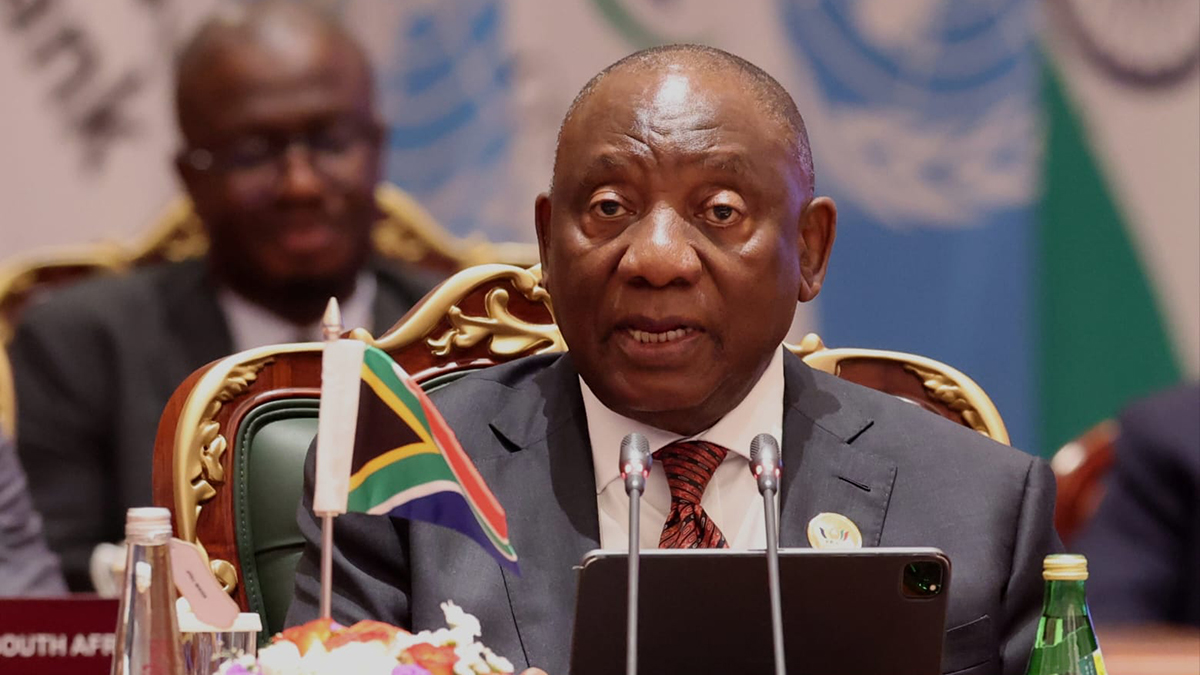
South Africa Leads BRICS Call for Global AI Governance and Independent Evaluation
South Africa, through President Cyril Ramaphosa, is advocating for a robust international framework for AI governance within the BRICS bloc, including independent scientific…
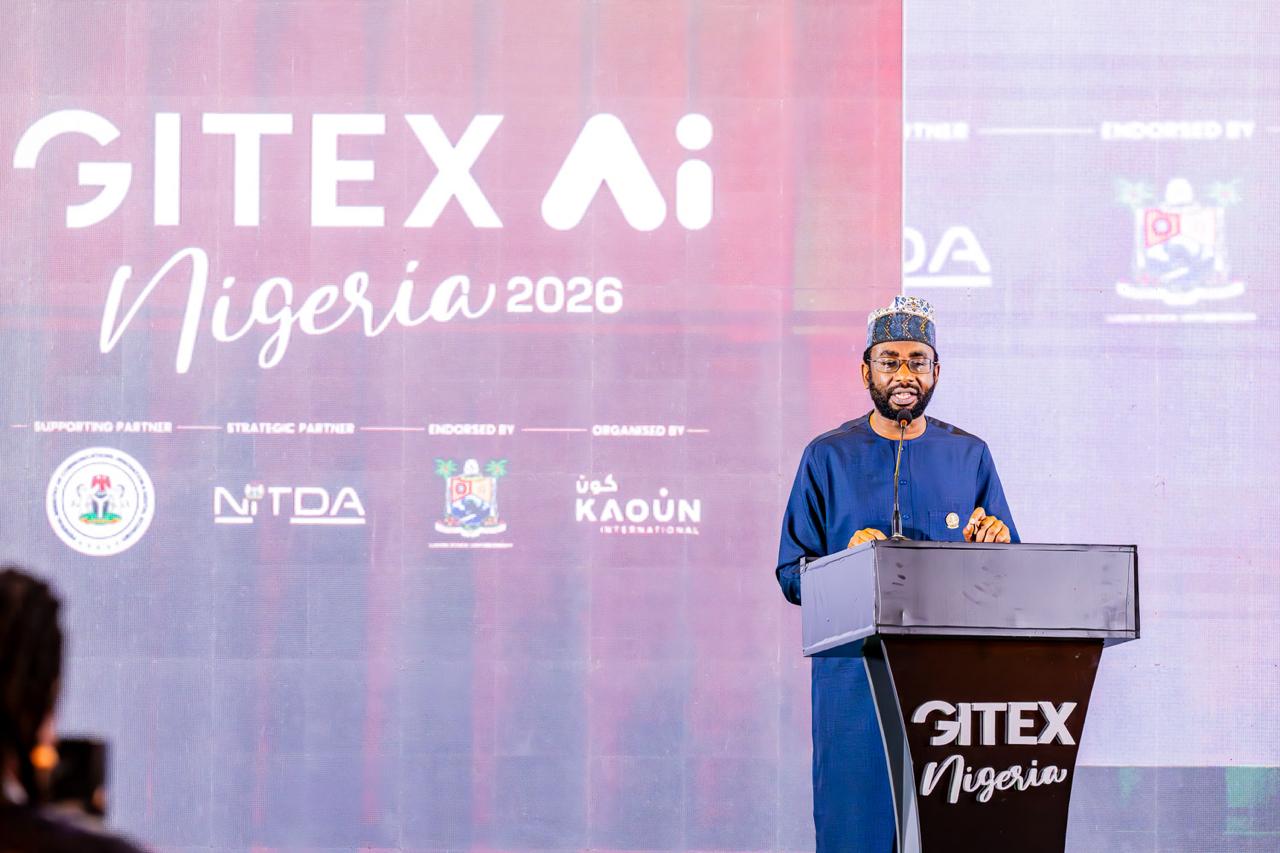
GITEX Nigeria Emphasizes Sovereign AI and Digital Transformation for a $1 Trillion Economy
GITEX Nigeria, a major tech and AI event, has launched in Abuja with a strong focus on advancing the nation's digital transformation and sovereign AI ambitions. Nigerian leaders…

Kenyan Political Operative Used Anthropic's Claude for AI-Generated Election Propaganda
A Kenyan political operative leveraged Anthropic's Claude AI to mass-produce social media propaganda ahead of the 2027 general election, praising government figures and targeting…

Anthropic Uncovers AI-Powered Political Influence Campaign in Kenya
A report by Anthropic details an AI-driven political influence operation in Kenya that used the Claude model to generate social media posts supporting the government and attacking…
The dispatch
One email a day. The AI stories shaping Africa.
Rewritten for clarity, sourced always. No spam; unsubscribe anytime.