East African Universities Unite to Form Regional AI Network, Unveil 2026-2031 Strategy
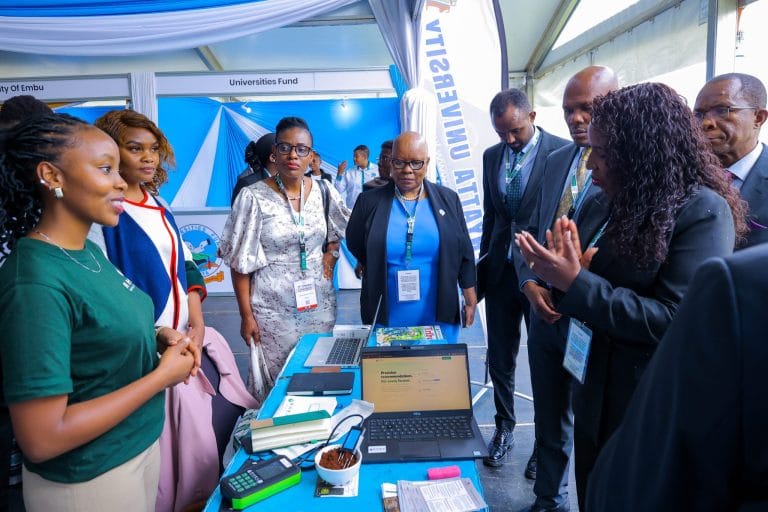
The Inter-University Council for East Africa (IUCEA) has officially launched a Regional AI Network of Universities and its Strategic Plan for 2026-2031. This initiative, announced at their 17th Annual Meeting in Nairobi, aims to consolidate artificial intelligence capacity across the East African Community (EAC) by fostering collaboration among institutions. The move addresses the previously fragmented national AI efforts within the eight EAC partner states, seeking to enhance the scale and impact of AI investments.
The new network is designed to create a collaborative ecosystem for AI education, research, and innovation. It will facilitate the pooling of expertise and infrastructure, aiming to strengthen universities' ability to utilize AI responsibly. This builds upon earlier work, including the launch of the Regional Network on Artificial Intelligence in Education and Research in Kigali, which called for universities and research institutions across the region to join the EAC AI Alliance project.
Key figures, including Kenya's Principal Secretary for Higher Education and Research, Dr. Beatrice Muganda Inyangala, emphasized the need for universities to become "living laboratories" that connect knowledge with industry and research with real-world deployment. The IUCEA Acting Executive Secretary, Professor Idris A. Rai, underscored the urgency of collective transformation in higher education. The Strategic Plan, developed through extensive consultations, is intended to be a practical blueprint for IUCEA's contribution to regional prosperity.
The initiative also highlights the importance of regional integration, with Germany's Deputy Head of Development Cooperation, Friederike Hemker, noting that no single partner state can build world-class capacity in every field alone. This regional approach allows for specialization, student mobility, and cross-border qualification recognition. The AI network is positioned as a successor to successful digital skills projects, like the GIZ-IUCEA collaboration that trained 4,000 young people across several EAC countries.
This regional-bloc level approach distinguishes IUCEA's efforts from other African university-anchored AI initiatives, which often operate at institutional or national levels. The success of the 2026-2031 plan will be measured by its ability to translate this structural position into tangible outcomes such as pooled computing resources, shared datasets, and genuinely joint research programs, moving beyond mere coordination.
Source
More in policy

South Africa Leads BRICS Call for Global AI Governance and Independent Evaluation
South Africa, through President Cyril Ramaphosa, is advocating for a robust international framework for AI governance within the BRICS bloc, including independent scientific…
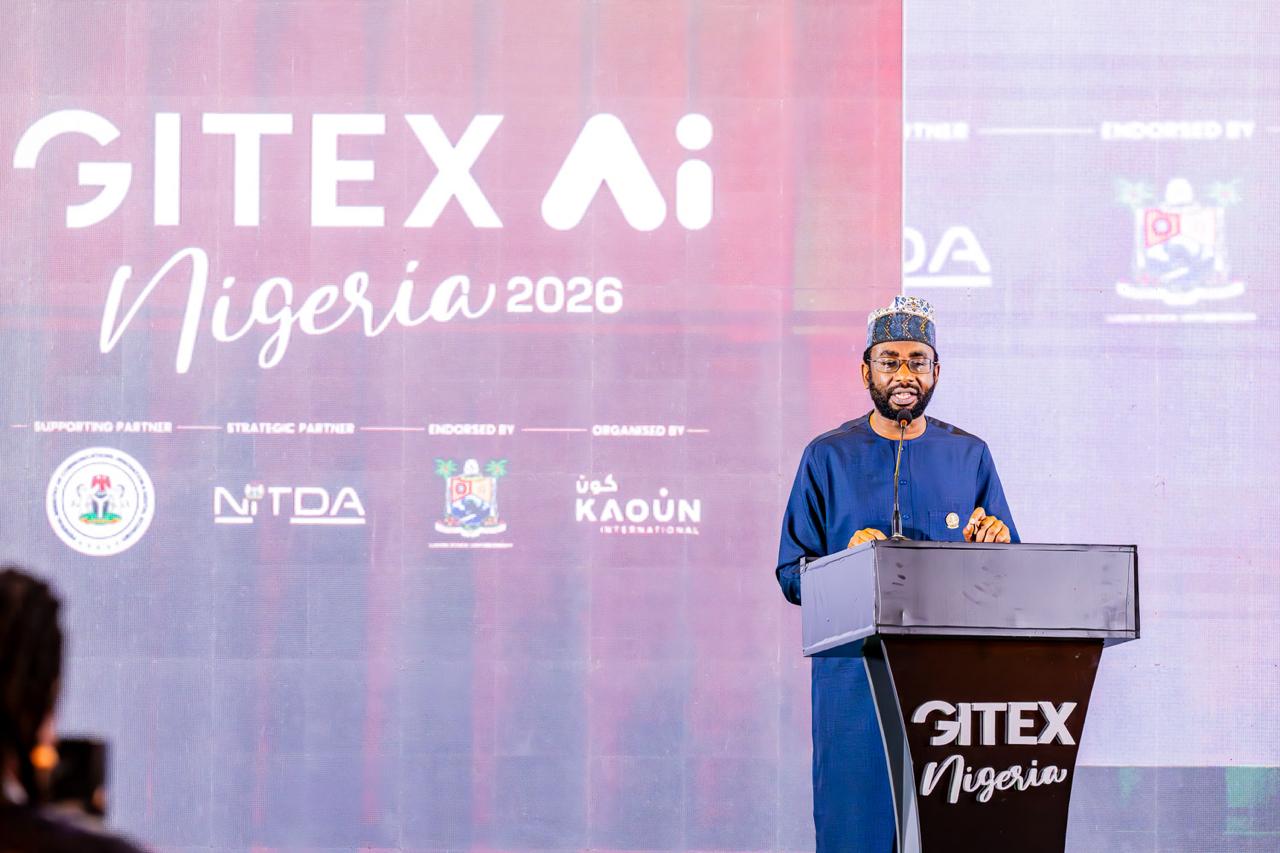
GITEX Nigeria Emphasizes Sovereign AI and Digital Transformation for a $1 Trillion Economy
GITEX Nigeria, a major tech and AI event, has launched in Abuja with a strong focus on advancing the nation's digital transformation and sovereign AI ambitions. Nigerian leaders…

Kenyan Political Operative Used Anthropic's Claude for AI-Generated Election Propaganda
A Kenyan political operative leveraged Anthropic's Claude AI to mass-produce social media propaganda ahead of the 2027 general election, praising government figures and targeting…

Anthropic Uncovers AI-Powered Political Influence Campaign in Kenya
A report by Anthropic details an AI-driven political influence operation in Kenya that used the Claude model to generate social media posts supporting the government and attacking…
The dispatch
One email a day. The AI stories shaping Africa.
Rewritten for clarity, sourced always. No spam; unsubscribe anytime.