Nigeria Leads Africa in AI Governance, Faces Deployment Challenges
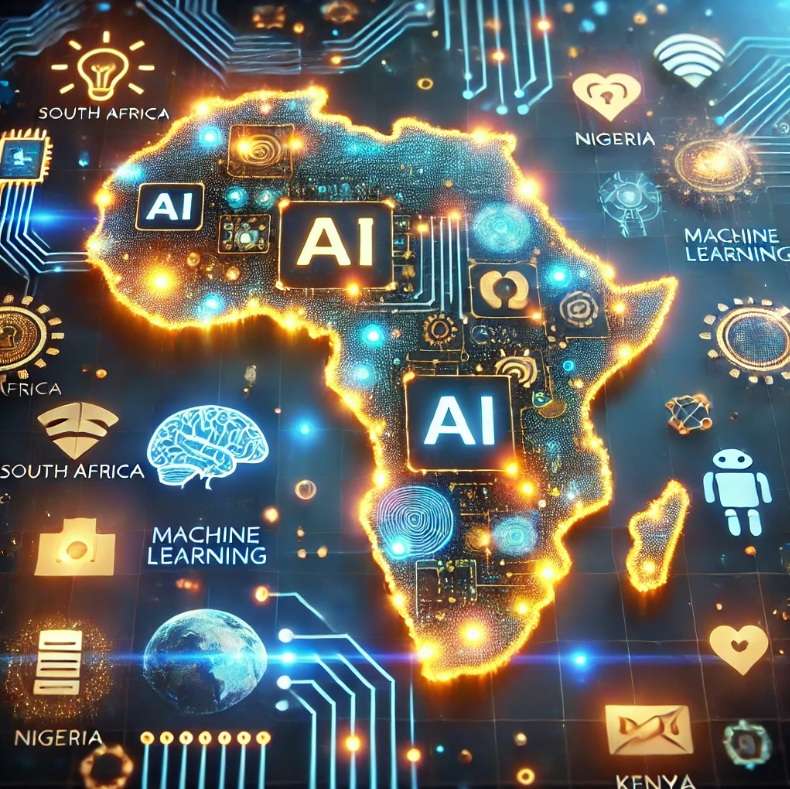
Nigeria has emerged as Africa's top performer in responsible AI governance, securing the 38th position globally on the 2026 Global Index on Responsible AI (GIRAI). This recognition, alongside its improved ranking in the Oxford Government AI Readiness Index, highlights the country's proactive approach to developing national AI strategies, investing in digital skills, and fostering civil society engagement in AI discussions. However, the report emphasizes a critical distinction: policy frameworks do not automatically translate into enforceable safeguards or widespread deployment of responsible AI systems.
Despite its governance achievements, Nigeria faces significant hurdles in translating policy into practical AI deployment. The International Monetary Fund (IMF) warns that without substantial infrastructure upgrades, the economic benefits from AI in sub-Saharan Africa, including Nigeria, will remain minimal. The private sector, particularly financial institutions and telecommunications operators, is leading AI adoption for applications like fraud detection and network optimization. Notably, Nigerian startups are moving beyond integrating global models to building AI-native products, such as Awarri's African language datasets and Curacel's AI-driven insurance solutions.
Infrastructure limitations, including unreliable electricity, expensive high-speed internet, and limited access to computing resources like GPUs, are identified as major constraints hindering large-scale AI development. Nigeria's reliance on foreign cloud providers and frontier models also raises concerns about digital sovereignty and long-term competitiveness. The article contrasts Nigeria's governance-first approach with other African nations like Kenya, which prioritizes cloud and data center investments, and South Africa, known for its mature AI research ecosystem.
The influence of external regulations, such as the EU AI Act, is also discussed. While not directly binding, the Act sets a global standard that Nigerian startups targeting European markets will need to adhere to, potentially shaping future African AI regulations. The article concludes that Nigeria's challenge lies in converting its strong governance foundations into tangible innovation, productivity gains, and inclusive growth by investing in the necessary infrastructure, talent, and regulatory capacity.
Source
More in policy
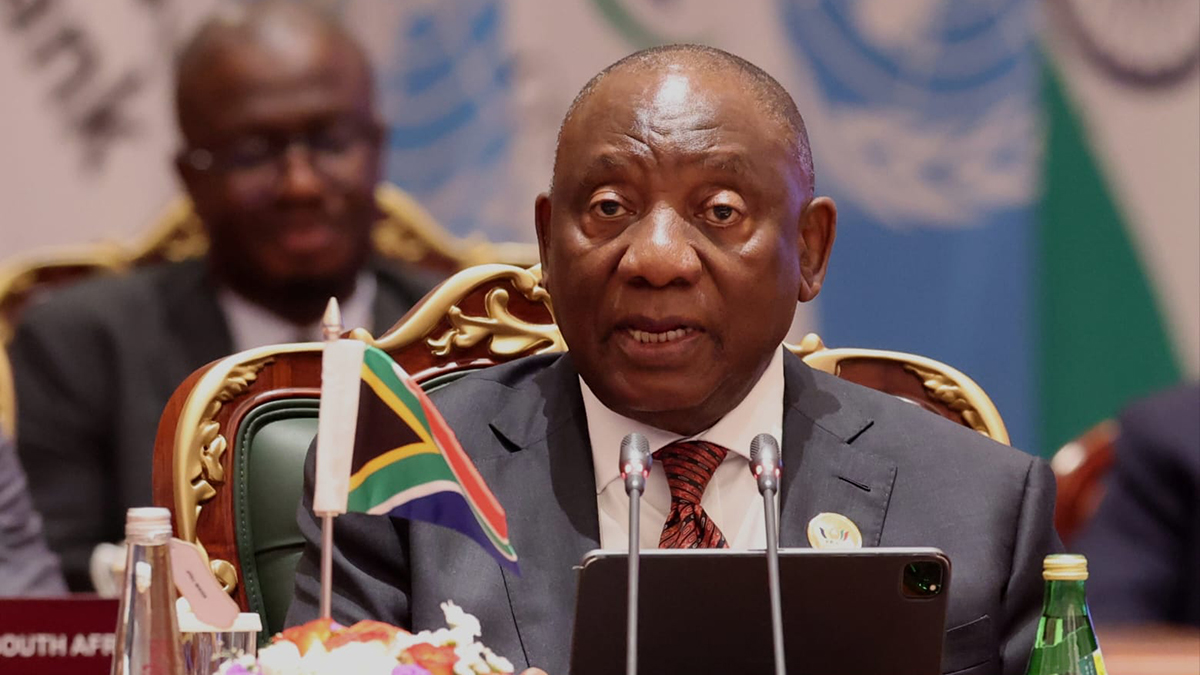
South Africa Leads BRICS Call for Global AI Governance and Independent Evaluation
South Africa, through President Cyril Ramaphosa, is advocating for a robust international framework for AI governance within the BRICS bloc, including independent scientific…
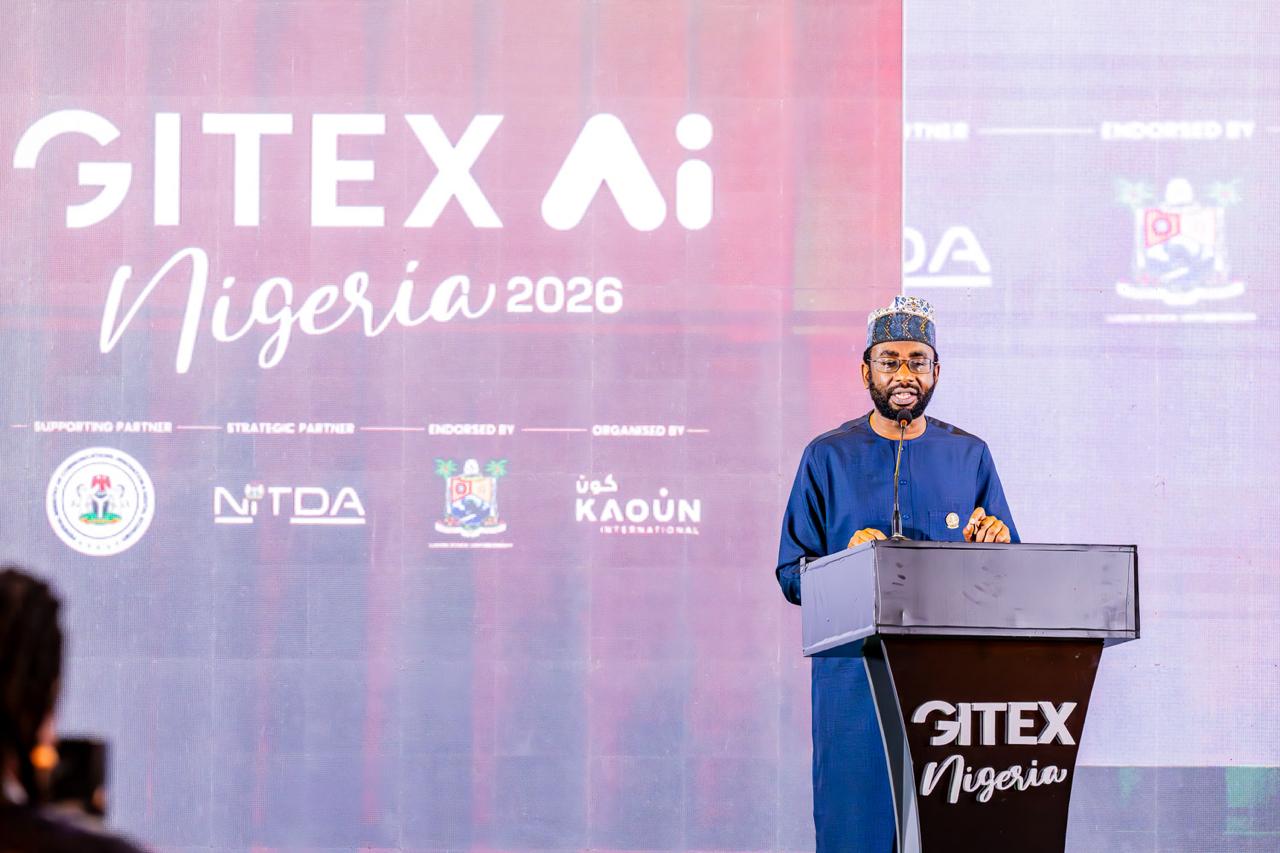
GITEX Nigeria Emphasizes Sovereign AI and Digital Transformation for a $1 Trillion Economy
GITEX Nigeria, a major tech and AI event, has launched in Abuja with a strong focus on advancing the nation's digital transformation and sovereign AI ambitions. Nigerian leaders…

Kenyan Political Operative Used Anthropic's Claude for AI-Generated Election Propaganda
A Kenyan political operative leveraged Anthropic's Claude AI to mass-produce social media propaganda ahead of the 2027 general election, praising government figures and targeting…

Anthropic Uncovers AI-Powered Political Influence Campaign in Kenya
A report by Anthropic details an AI-driven political influence operation in Kenya that used the Claude model to generate social media posts supporting the government and attacking…
The dispatch
One email a day. The AI stories shaping Africa.
Rewritten for clarity, sourced always. No spam; unsubscribe anytime.