South Africa's AI Policy Redraft Delayed, Minister Cites Lack of Bibliography Scrutiny in Initial Flawed Version
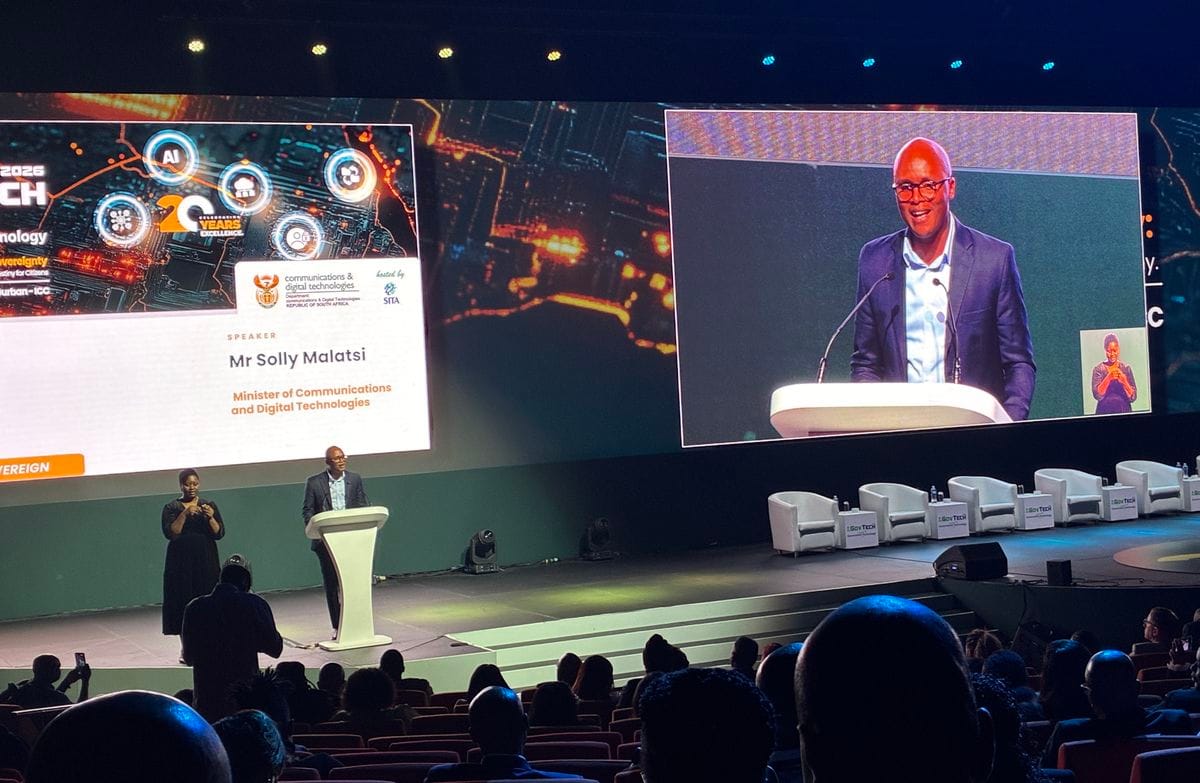
South African Communications and Digital Technologies Minister Solly Malatsi has provided a detailed explanation for the withdrawal of the country's initial draft National AI Policy, which was found to contain fabricated citations. Malatsi admitted that his office focused on the policy's substance but failed to adequately scrutinize its bibliography, assuming the references were sound. This oversight led to the inclusion of AI-generated 'hallucinations' in the official document, highlighting a critical lapse in human oversight during the drafting process.
The minister emphasized that the use of AI in policy development is not inherently unethical, provided its reliance is openly declared. This stance comes amidst research indicating that a significant portion of South African content creators use generative AI but rarely disclose it, fearing it might diminish perceived authenticity. Malatsi's experience has led him to advocate for heightened vigilance in reviewing all details, down to individual commas, in policy documents.
The timeline for the revised AI policy has been pushed back, with Malatsi now aiming to present a draft to Cabinet by March 2027. This contradicts earlier statements from his department to Parliament, which indicated a November 2026 target. The redrafting process is being overseen by an expert advisory panel chaired by Professor Benjamin Rosman of the Wits Mind Institute, aiming to produce a robust and credible framework.
Malatsi also touched on the broader philosophy guiding the new policy, advocating for regulation that enables rather than stifles opportunity. He defined digital sovereignty in developmental terms, emphasizing its role in national growth plans, state capacity, citizens' rights, and support for businesses of all sizes, rather than purely as a security or control issue. The incident underscores the challenges and responsibilities involved in integrating AI into governance, especially for African nations developing their digital frameworks.
Source
More in policy

World Bank Advises Sub-Saharan Africa to Focus on 'Small AI' for Local Impact
The World Bank's recent report advises Sub-Saharan Africa to prioritize 'small AI' applications designed for local needs and low-bandwidth environments, rather than focusing on…

South Africa Must Prioritize Job Creation and Skills Development in its AI Strategy, New Report Urges
A new report emphasizes that South Africa must prioritize job creation and skills development in its AI strategy to mitigate high unemployment and leverage AI for economic growth.…
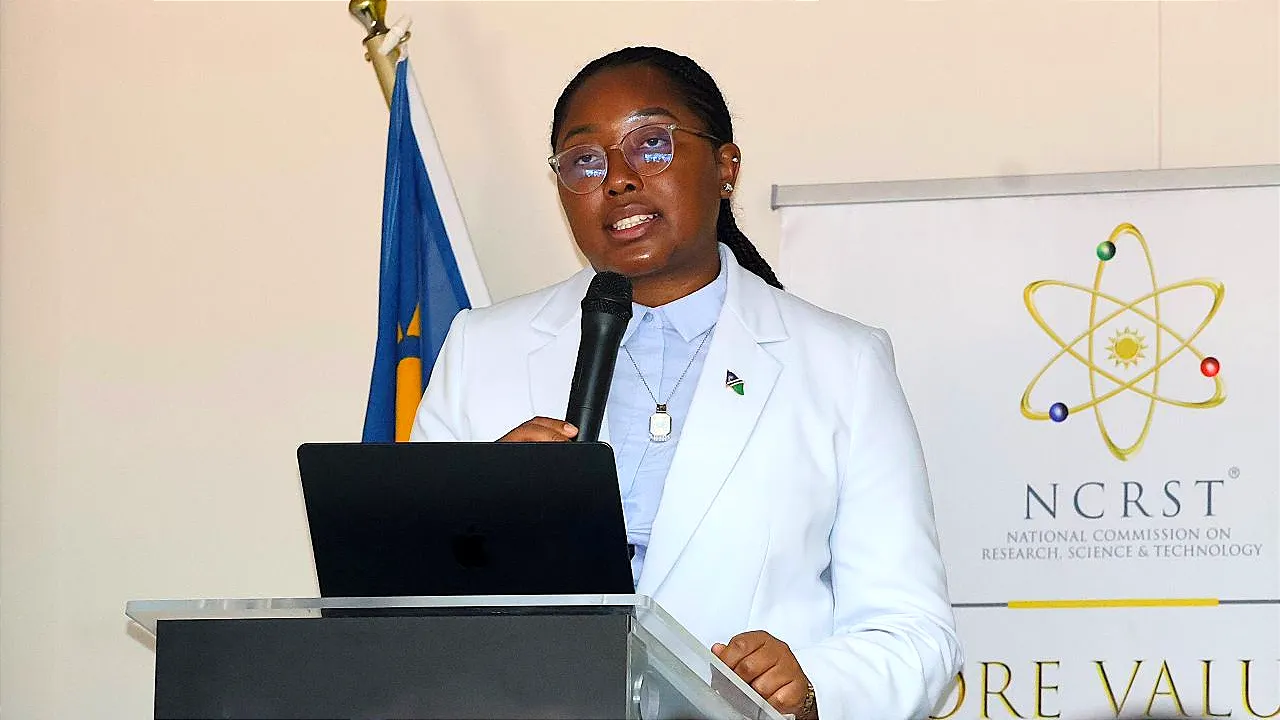
Namibia Launches National AI Institute to Address Identified Gaps in Local Readiness
Namibia has launched a National AI Institute directly structured to address specific gaps identified in its own AI Readiness Assessment, particularly focusing on the severe lack…
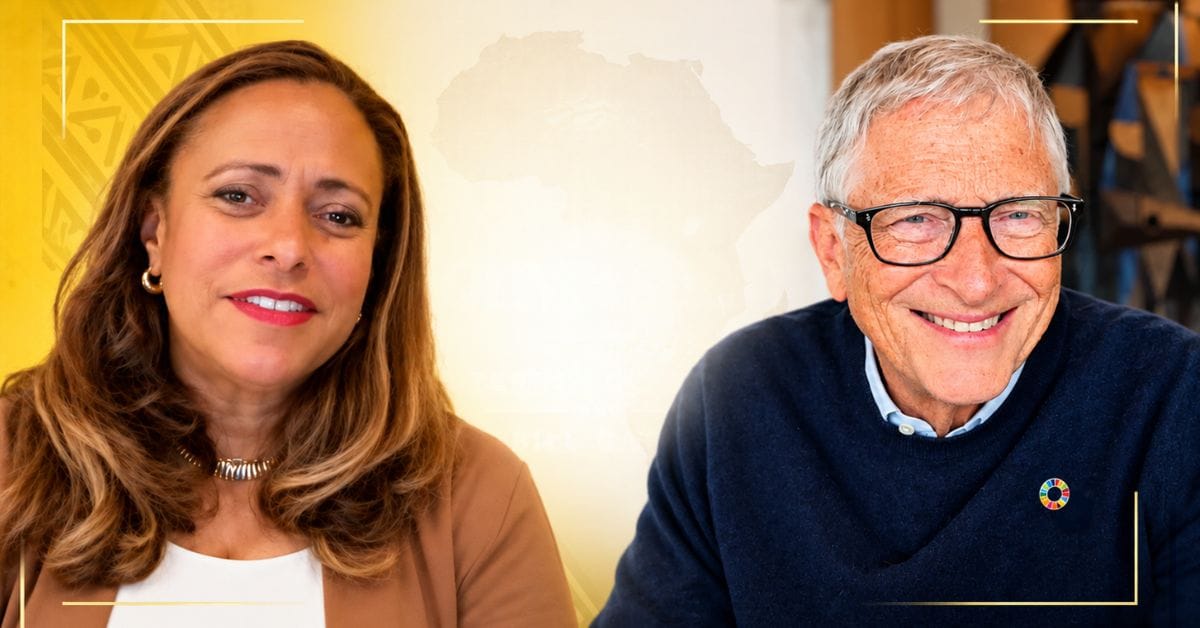
Bill Gates Outlines AI's Transformative Potential and Challenges for Africa
Bill Gates discussed how AI can transform African agriculture, health, and education, emphasizing the need for AI tools to be localized with African languages and data. He…
The dispatch
One email a day. The AI stories shaping Africa.
Rewritten for clarity, sourced always. No spam; unsubscribe anytime.