Institutional Frameworks Are Crucial for Scaling Africa's AI Ecosystem

Africa's journey towards a thriving artificial intelligence future hinges not solely on the ingenuity of entrepreneurs but critically on the development of robust institutional frameworks. While founders are essential for innovation and problem-solving, they cannot individually address systemic barriers such as unreliable power, weak connectivity, fragmented data, unclear regulation, limited compute access, and market fragmentation across borders. The article posits that institutions must create the enabling conditions for serious AI companies, infrastructure platforms, and data ecosystems to emerge, scale, and attract necessary capital.
The discussion outlines seven key institutional roles, starting with trust. AI's reliance on data necessitates credible rules around privacy, consent, data access, cross-border transfer, and cybersecurity to prevent data from being locked away or exploited by external platforms. This is particularly vital in sectors like health, where data quality and governance directly impact investability and patient safety. The second crucial role is infrastructure, encompassing physical and digital foundations like electricity, connectivity, compute, and data centers. While companies can adapt to some constraints, institutions (governments, DFIs, telecom operators, universities) must collaborate to lower costs and risks, fostering a network of specialized AI nodes rather than a uniform ecosystem across the continent.
Further institutional responsibilities include facilitating market access by establishing transparent public procurement pathways and encouraging partnerships between established entities and AI startups. This ensures that pilot projects can translate into scalable contracts, preventing founders from being trapped in endless demonstrations. Capital formation is another critical area, requiring institutions to organize a diverse capital stack—from venture capital for high-growth startups to development finance for de-risking markets and concessional support for public-good platforms. The emphasis is on intelligently aligning these instruments to meet the specific needs of different AI initiatives.
Finally, institutions are vital for enabling cross-border scale. Given the individually small size of many African markets, regional bodies and regulators must work to reduce fragmentation through interoperable systems for data, payments, and digital identity. This makes it easier for African AI companies to expand beyond single markets, leveraging initiatives like the African Continental Free Trade Area for digital services and data-enabled platforms. Developing talent, beyond just founders, is also an institutional imperative, ensuring a pipeline of engineers, data scientists, product managers, and sector-specific specialists to support the entire AI ecosystem.
Source
More in policy

South Africa Leads BRICS Call for Global AI Governance and Independent Evaluation
South Africa, through President Cyril Ramaphosa, is advocating for a robust international framework for AI governance within the BRICS bloc, including independent scientific…
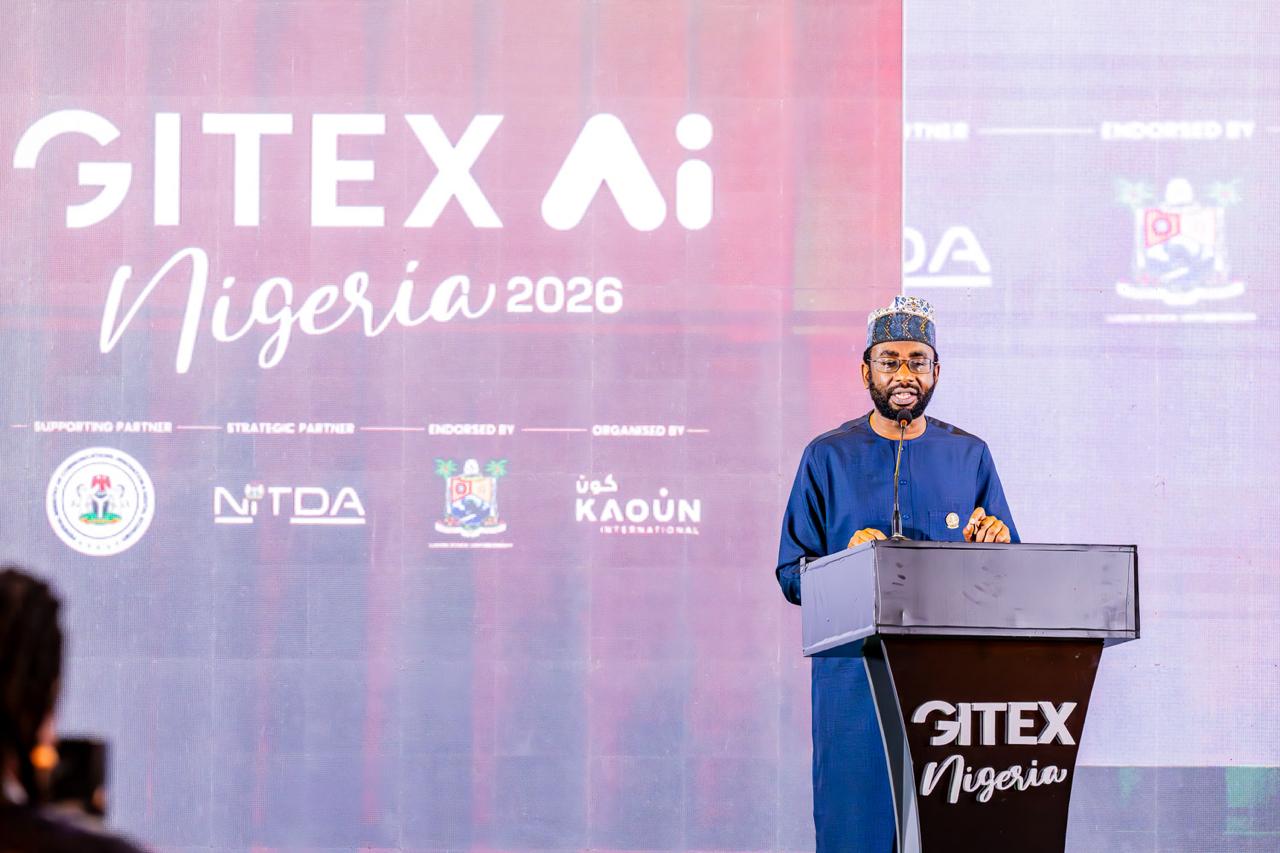
GITEX Nigeria Emphasizes Sovereign AI and Digital Transformation for a $1 Trillion Economy
GITEX Nigeria, a major tech and AI event, has launched in Abuja with a strong focus on advancing the nation's digital transformation and sovereign AI ambitions. Nigerian leaders…

Kenyan Political Operative Used Anthropic's Claude for AI-Generated Election Propaganda
A Kenyan political operative leveraged Anthropic's Claude AI to mass-produce social media propaganda ahead of the 2027 general election, praising government figures and targeting…

Anthropic Uncovers AI-Powered Political Influence Campaign in Kenya
A report by Anthropic details an AI-driven political influence operation in Kenya that used the Claude model to generate social media posts supporting the government and attacking…
The dispatch
One email a day. The AI stories shaping Africa.
Rewritten for clarity, sourced always. No spam; unsubscribe anytime.