African Experts Convene to Chart Ethical AI in Education Across the Continent

A recent forum hosted by AITHOS and the Wits Machine Intelligence and Neural Discovery (MIND) Institute brought together leading experts to discuss the ethical integration of artificial intelligence into African education. Held at the University of the Witwatersrand, the roundtable focused on ensuring that AI adoption in learning environments is inclusive, responsible, and effectively addresses the continent's unique challenges and opportunities.
The discussions covered four key areas: the impact of AI on classroom practices and future skill requirements, the delicate balance between expanding educational access and preventing increased inequality, preparing students for AI-driven workplaces, and establishing robust ethical and governance frameworks for AI in education. Speakers emphasized that AI will not inherently equalize education in Africa but rather amplify existing systems, underscoring the need for intentional design to scale opportunity rather than inequality.
Key figures like Aashna Jain of AITHOS highlighted the importance of involving young people in these crucial conversations, as they will live with the consequences of today's AI decisions. Kume Luvhani from Vaxowave stressed that meaningful access goes beyond mere availability, encompassing infrastructure, affordability, capability, and ongoing support. Lourita Meredith of DemandAI reiterated that technology alone is insufficient; success depends on empowering educators and students and implementing AI responsibly.
The consensus among participants was that collaborative efforts across educators, policymakers, researchers, and industry leaders are vital. This collaboration aims to ensure AI positively contributes to learning outcomes and workforce readiness throughout Africa. The forum also spotlighted the significant role women are playing in shaping the future of AI, advocating for diverse leadership in designing and deploying these transformative technologies.
This initiative underscores a growing commitment within Africa to proactively shape the trajectory of AI, particularly in critical sectors like education. By prioritizing ethical considerations, inclusivity, and practical implementation strategies, African stakeholders are working to harness AI's potential to drive equitable and impactful educational advancements across the continent, rather than simply adopting technologies developed elsewhere.
Source
More in policy

Kenyan Counties Urged to Implement 'Decision-Recovery Drills' for AI Public Services
Kenyan counties should implement 'decision-recovery drills' for AI-powered public services to ensure staff can correct AI errors and provide accurate information to citizens. This…

Togo Pioneers AI Initiative to Digitize Indigenous Languages for Public Services
Togo has launched a pioneering national AI initiative, "Voix du Togo," to digitize its local languages, including Ewe, Kabiyè, and Moba. This program aims to build AI tools that…

Uganda Lays Data Foundation for Future National AI Strategy
Uganda has launched a five-year National Data Strategy, explicitly stating it is foundational for the country's forthcoming National AI Strategy. This move aims to improve data…
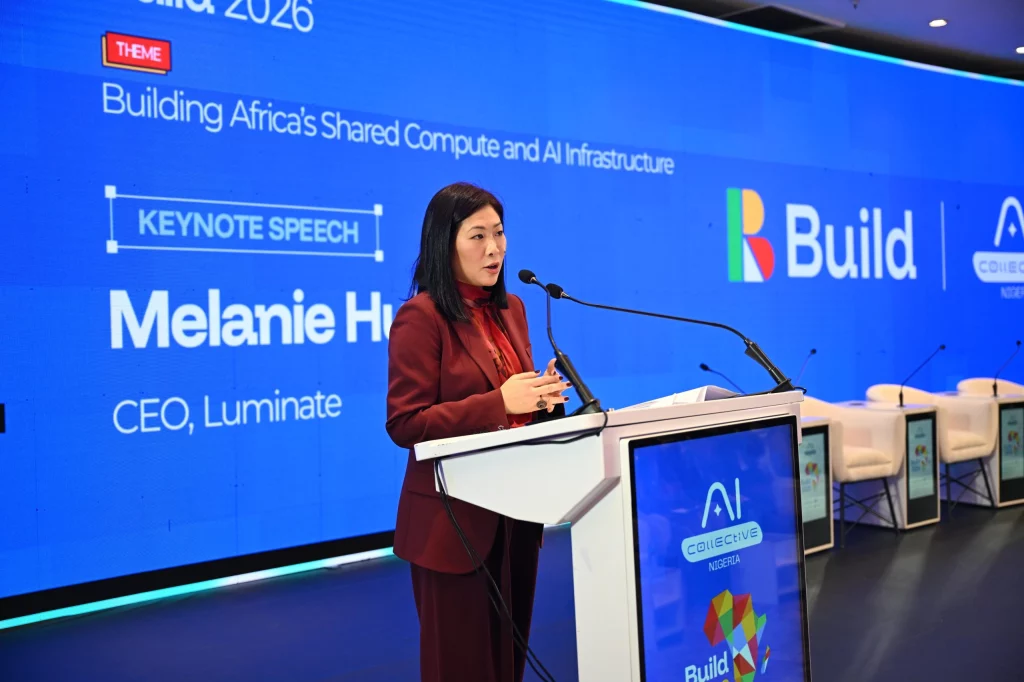
Luminate CEO Urges African Nations to Seize Control of Their Digital Future to Avoid AI Exploitation
Luminate CEO Melanie Hui warned African nations at the Build 2026 Conference in Abuja that they risk exploitation in the global AI economy if they do not secure genuine ownership…
The dispatch
One email a day. The AI stories shaping Africa.
Rewritten for clarity, sourced always. No spam; unsubscribe anytime.