African Leaders Advocate for Pan-African AI Compute Grid to Secure Digital Sovereignty
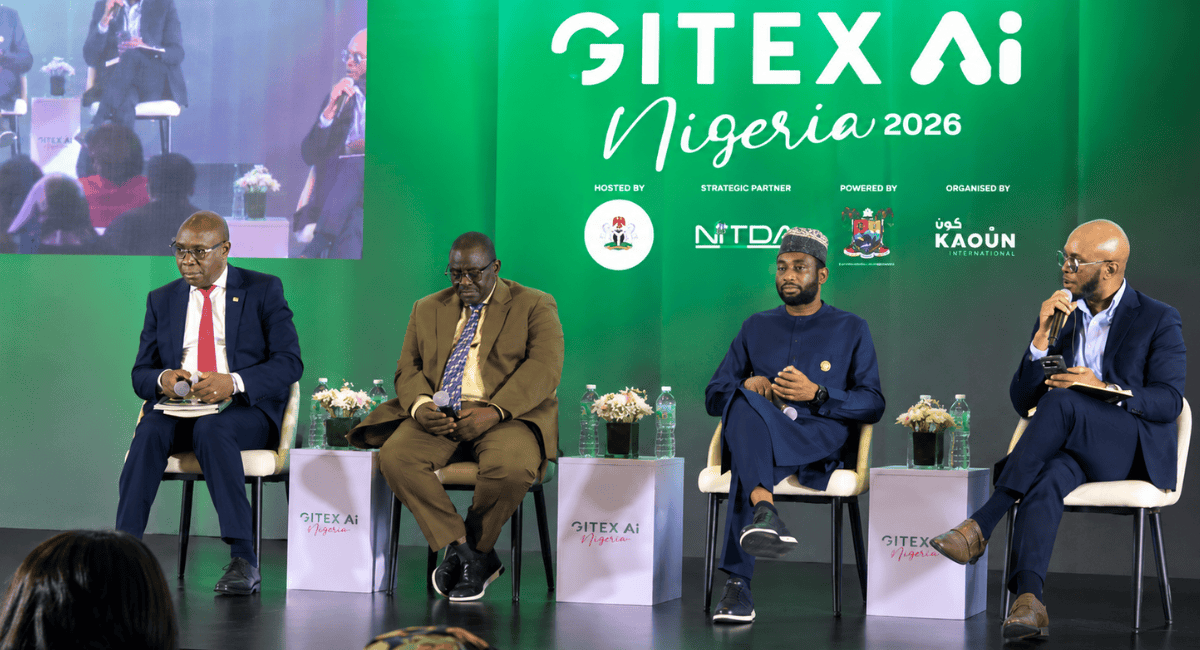
African policymakers and technology leaders are increasingly advocating for a shared, Pan-African AI compute infrastructure to counter the continent's heavy reliance on foreign processing power. This push stems from a recognition that true digital sovereignty and the ability to tailor AI to African contexts cannot be achieved without local control over the hardware and data necessary to train and run AI systems. The vulnerability of having nearly all algorithmic decisions shaped by foreign silicon was a central theme at the Government Leadership and AI Summit in Abuja, Nigeria, which opened GITEX NIGERIA 2026.
Key figures like Kashifu Inuwa Abdullahi of Nigeria's NITDA, Dr. Lourino Chemane of Mozambique's NIITC, and Dr. Mactar Seck of UNECA debated the merits of national versus shared regional compute grids. While some argue for a domestic floor for sensitive workloads, there's a strong consensus that pooling resources into regional AI factories and specialized hubs is crucial to overcome capital and infrastructure limitations. This approach mirrors successful cross-border energy sharing models already present in Africa, such as the West African Power Pool.
Discussions highlighted the multi-layered concept of AI sovereignty, encompassing algorithmic control, local data governance, data centers, and the energy infrastructure. The leaders emphasized that African nations must move beyond being mere consumers in the global digital economy by actively building their own foundations. Practical steps proposed include statutory data classification frameworks to clarify data handling and attract investment, alongside prioritizing explainable and open-weight AI architectures to prevent foreign-trained models from misrepresenting African realities.
Ultimately, the vision is to create a robust, continent-wide digital backbone that supports indigenous AI development, ensures data privacy, and enables African countries to exert control over the technologies shaping their societies and economies. This initiative is seen as vital for adapting AI to local languages, institutions, and public services, thereby fostering economic self-determination and protecting human rights in the digital age.
Source
More in infrastructure

Egypt Launches First AI Factory with Vodafone and Cassava, Signaling Multi-Partner Strategy
Vodafone Egypt and Cassava Technologies have launched Egypt's first AI factory, offering GPU-as-a-Service with in-country data processing. This initiative is a key part of Egypt's…

UduTech Partners with BARO AI to Boost Africa's AI Computing Power with South Korean GPUs
Nigerian UduTech has partnered with South Korean BARO AI to supply high-performance GPUs to African entities, addressing the continent's critical shortage in AI computing…

Egypt Invests $1 Billion in Sovereign AI Data Centers to Boost Digital Economy
Egypt is investing significantly in building its own data and AI infrastructure, including the country's first sovereign AI data center, to reduce reliance on foreign cloud…

Egypt Unveils First National AI Factory in Partnership with Vodafone and Cassava Technologies
Egypt has launched its first national AI factory through a partnership between Vodafone Business and Cassava Technologies, aiming to establish the country as a regional AI hub.…
The dispatch
One email a day. The AI stories shaping Africa.
Rewritten for clarity, sourced always. No spam; unsubscribe anytime.