TinyML Solutions Emerge as a Game-Changer for AI Adoption Across Africa

This article highlights the growing importance of 'small AI' or TinyML, particularly in regions with limited infrastructure like Africa. It features the story of Adebayo Alonge, whose startup RxScanner developed a handheld spectrometer to detect counterfeit medication. Initially, the device struggled with connectivity issues in South Africa due to its reliance on a distant US-based server, leading Alonge to miniaturize the AI model to run directly on an Android phone.
This adaptation allowed the RxScanner to authenticate pills in areas lacking broadband, computers, or reliable electricity, effectively transforming a significant challenge into an opportunity for localized AI solutions. The success of this African-led innovation underscores the practical utility of small AI models, which can deliver vital services without the need for vast computing power, extensive data centers, or constant internet connectivity.
Experts like World Bank President Ajay Banga and researchers involved in TinyML projects emphasize that while large language models dominate discussions in developed nations, small AI is the only viable and sustainable form of AI for millions globally, including in Africa. These models, often running on low-power devices, are proving effective in diverse applications from agricultural disease detection in India to malaria mosquito identification in various nations, demonstrating their potential to address critical local problems where traditional AI approaches are impractical.
The future of AI, according to advocates like Alonge, lies not in centralized, colossal models, but in millions of precise, small models deployed at the edge, each tailored to solve specific problems in specific contexts. This approach is not only more accessible and affordable for the majority of the world's population, particularly in developing regions, but also more sustainable in the long term, avoiding the prohibitive costs associated with maintaining and accessing large, frontier models.
Source
More in tools
Viamo Launches Offline AI Voice Platform in Ghana to Bridge Digital Divide
Viamo has launched the 231 Voice Platform in Ghana, offering offline AI access via toll-free phone calls to millions without smartphones or internet. This initiative uses basic…
Tether AI Unveils Offline Translation Models for 19 African Languages, Benchmarked by Peer Review
Tether AI Research has released open-source, offline translation models for 19 African languages, designed to run on basic smartphones without internet access. This addresses…

New Offline AI Diagnostic Tool Promises to Transform Healthcare in Rural Sub-Saharan Africa
Aletheia is an offline-first AI clinical decision support system specifically designed for low-resource healthcare settings in sub-Saharan Africa. It was fine-tuned on a dataset…
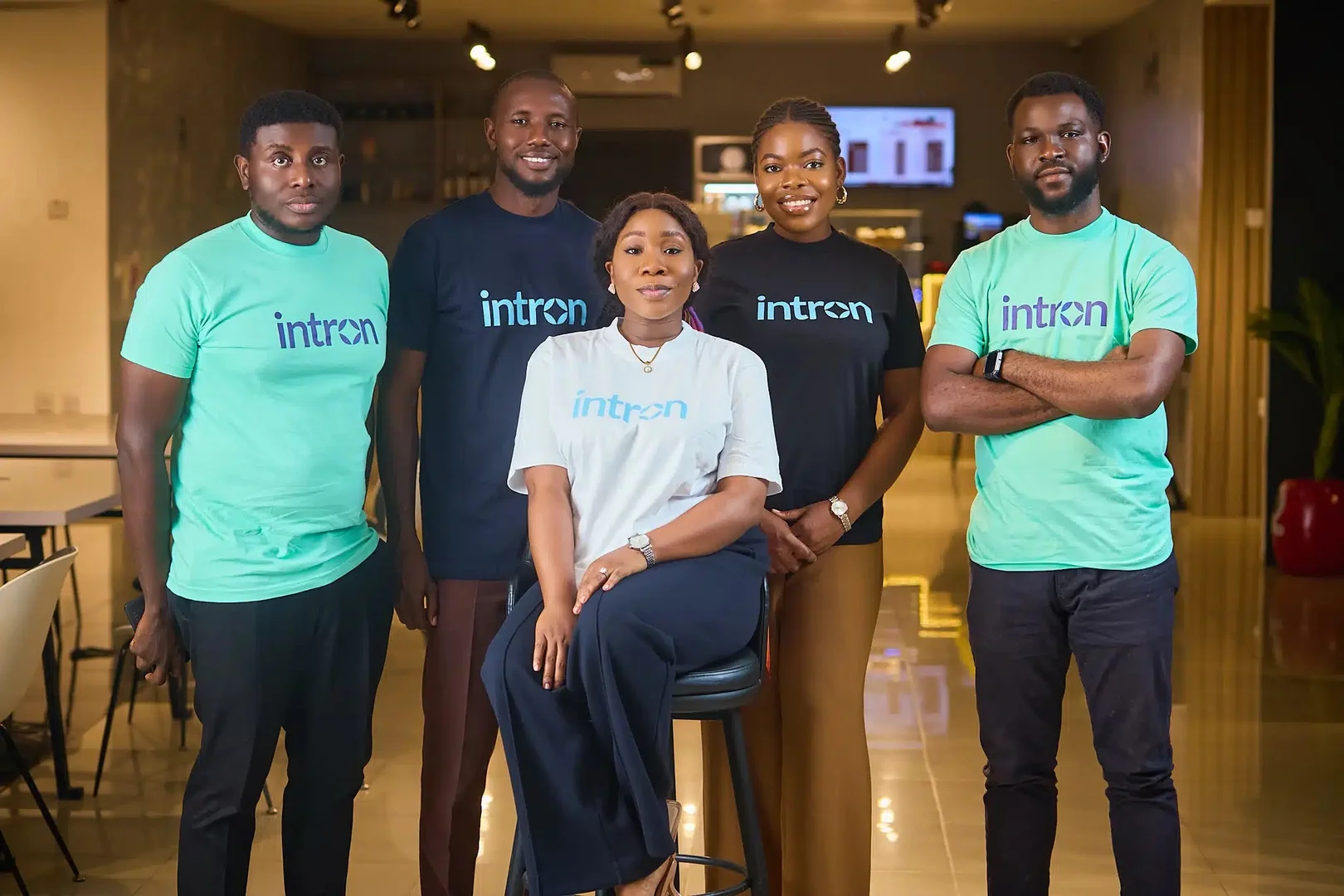
Intron's Sahara v2.5 Enhances African Language AI with Mid-Sentence Code-Switching and Igbo/Hausa Voice Generation
Nigerian voice AI company Intron has released Sahara v2.5, which now supports mid-sentence language switching across around 20 African languages and offers voice generation in…
The dispatch
One email a day. The AI stories shaping Africa.
Rewritten for clarity, sourced always. No spam; unsubscribe anytime.