South Africa to Implement AI-Powered Biometric Scanners for Enhanced Immigration Control

South Africa's Department of Home Affairs is embarking on a significant technological upgrade to its immigration enforcement capabilities, planning to deploy 600 handheld biometric devices across the country. These advanced scanners will enable immigration officials to conduct real-time verification of individuals' legal status by capturing fingerprints and facial images, then instantly cross-referencing them against the department's central database. This initiative aims to reduce reliance on physical documents, which are often susceptible to fraud.
The tender for these rugged, Android-based devices outlines strict technical specifications, including the ability to capture ten fingerprints, high-quality facial photographs, and scan various documents. Each unit must be durable, with extended battery life, and capable of operating in challenging field conditions. The system is designed to not only verify existing records but also to collect new biometric data from individuals found to be in the country illegally, continuously enhancing the database for future enforcement efforts.
This deployment, expected to be fully operational by late 2026, builds on earlier signals from the Home Affairs Minister regarding the need for remote access to departmental systems for immediate status checks. It comes amidst heightened political pressure surrounding immigration and a reported increase in deportations, which the department attributes to improved technological infrastructure. The new system directly addresses the vulnerability of fraudulent documentation, a longstanding challenge in immigration management.
For Africa, this move by South Africa highlights a growing trend of governments leveraging advanced AI and biometric technologies to manage national security and public services. While promising increased efficiency and reduced fraud in immigration enforcement, it also raises important considerations regarding data privacy, civil liberties, and the ethical deployment of AI in sensitive governmental functions. Other African nations may look to South Africa's experience as a case study for implementing similar large-scale biometric systems.
Source
More in policy

South Africa Leads BRICS Call for Global AI Governance and Independent Evaluation
South Africa, through President Cyril Ramaphosa, is advocating for a robust international framework for AI governance within the BRICS bloc, including independent scientific…
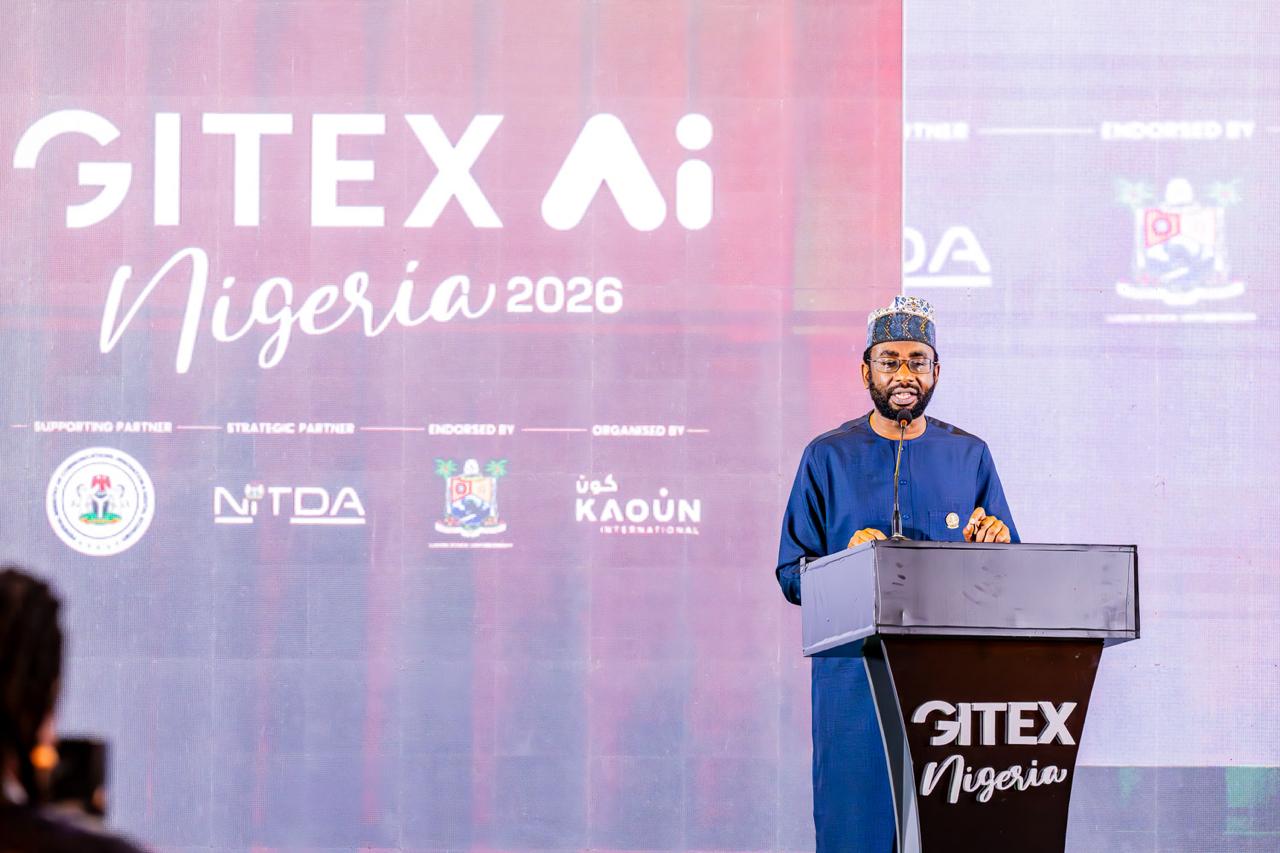
GITEX Nigeria Emphasizes Sovereign AI and Digital Transformation for a $1 Trillion Economy
GITEX Nigeria, a major tech and AI event, has launched in Abuja with a strong focus on advancing the nation's digital transformation and sovereign AI ambitions. Nigerian leaders…

Kenyan Political Operative Used Anthropic's Claude for AI-Generated Election Propaganda
A Kenyan political operative leveraged Anthropic's Claude AI to mass-produce social media propaganda ahead of the 2027 general election, praising government figures and targeting…

Anthropic Uncovers AI-Powered Political Influence Campaign in Kenya
A report by Anthropic details an AI-driven political influence operation in Kenya that used the Claude model to generate social media posts supporting the government and attacking…
The dispatch
One email a day. The AI stories shaping Africa.
Rewritten for clarity, sourced always. No spam; unsubscribe anytime.