Mauritius Launches Business AI Adoption Survey to Gauge National Strategy Effectiveness
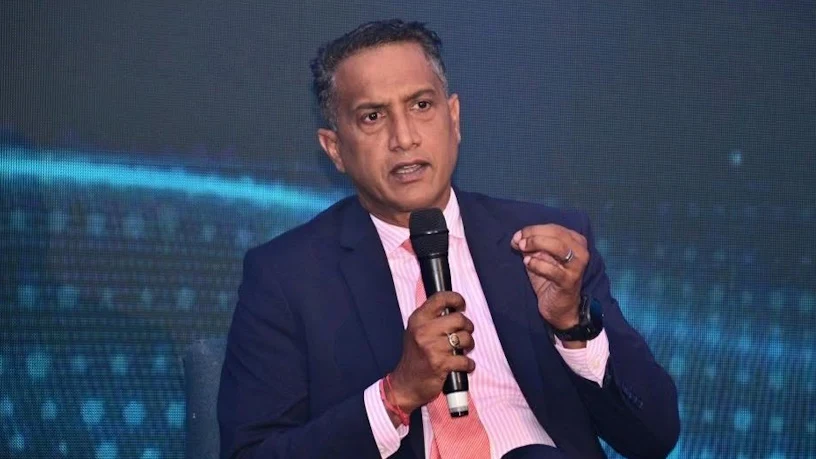
Mauritius has initiated a comprehensive AI Adoption, Readiness, and Governance Survey aimed at understanding how local businesses are integrating and managing artificial intelligence. This survey, a collaborative effort between the Mauritius Chamber of Commerce and Industry, the Outsourcing and Telecommunications Association of Mauritius, and the Mauritius Qualifications Authority, seeks to provide empirical data to assess the practical implementation of the national AI strategy launched three months prior. It will identify opportunities and obstacles faced by enterprises, with findings intended to inform future policy and the country's broader digital transformation.
This initiative stands out from typical AI readiness assessments, which often rely on external indices ranking national capacity. By focusing on enterprise-level adoption, skill development, and governance practices, Mauritius is trying to understand the tangible impact of its AI policies on the ground. The Minister of Information Technology, Communication and Innovation, Avinash Ramtohul, emphasized the survey's importance in guiding policymakers and supporting the nation's digital growth, aligning it with existing governmental AI infrastructure like the AI Unit, national strategy, and training programs.
The survey is framed within Mauritius's National AI Strategy 2025-2029, which is built on the principles of fairness, accountability, inclusiveness, and responsibility (FAIR). Ramtohul highlighted the need for responsible AI governance, data protection, and ethical use to ensure AI complements human capabilities and drives productivity. The ICT sector, currently contributing 5.4% to Mauritius's GDP, aims to double this contribution, underscoring the economic stakes of successful AI integration.
Mauritius has a notable history in AI policy, having launched the Digital Mauritius 2030 Strategic Plan in 2018 and establishing the Mauritius Artificial Intelligence Council. The country ranks favorably in global AI readiness indices, particularly in responsible AI use and infrastructure within sub-Saharan Africa. This strong policy foundation makes the current survey particularly significant, as it aims to bridge the gap between strategic planning and actual business adoption, providing a crucial baseline for measuring the effectiveness of its national AI strategy.
Source
More in policy

South Africa's New Government Chatbot Plagued by Flaws and Misinformation
South Africa's new government chatbot, "RSA Facts," designed to combat misinformation, quickly became a source of it, generating fake press releases and dubious political…

South Africa's Redrafted AI Policy Delayed Until 2027 Amid Drafting Challenges and Shifting Timelines
South Africa's redrafted national AI policy, crucial for guiding the country's engagement with artificial intelligence, will not be made public for comment until at least March…

Kenyan Counties Urged to Implement 'Decision-Recovery Drills' for AI Public Services
Kenyan counties should implement 'decision-recovery drills' for AI-powered public services to ensure staff can correct AI errors and provide accurate information to citizens. This…

Togo Pioneers AI Initiative to Digitize Indigenous Languages for Public Services
Togo has launched a pioneering national AI initiative, "Voix du Togo," to digitize its local languages, including Ewe, Kabiyè, and Moba. This program aims to build AI tools that…
The dispatch
One email a day. The AI stories shaping Africa.
Rewritten for clarity, sourced always. No spam; unsubscribe anytime.