Nigeria Takes Top Spot in Africa for Responsible AI Development and Governance
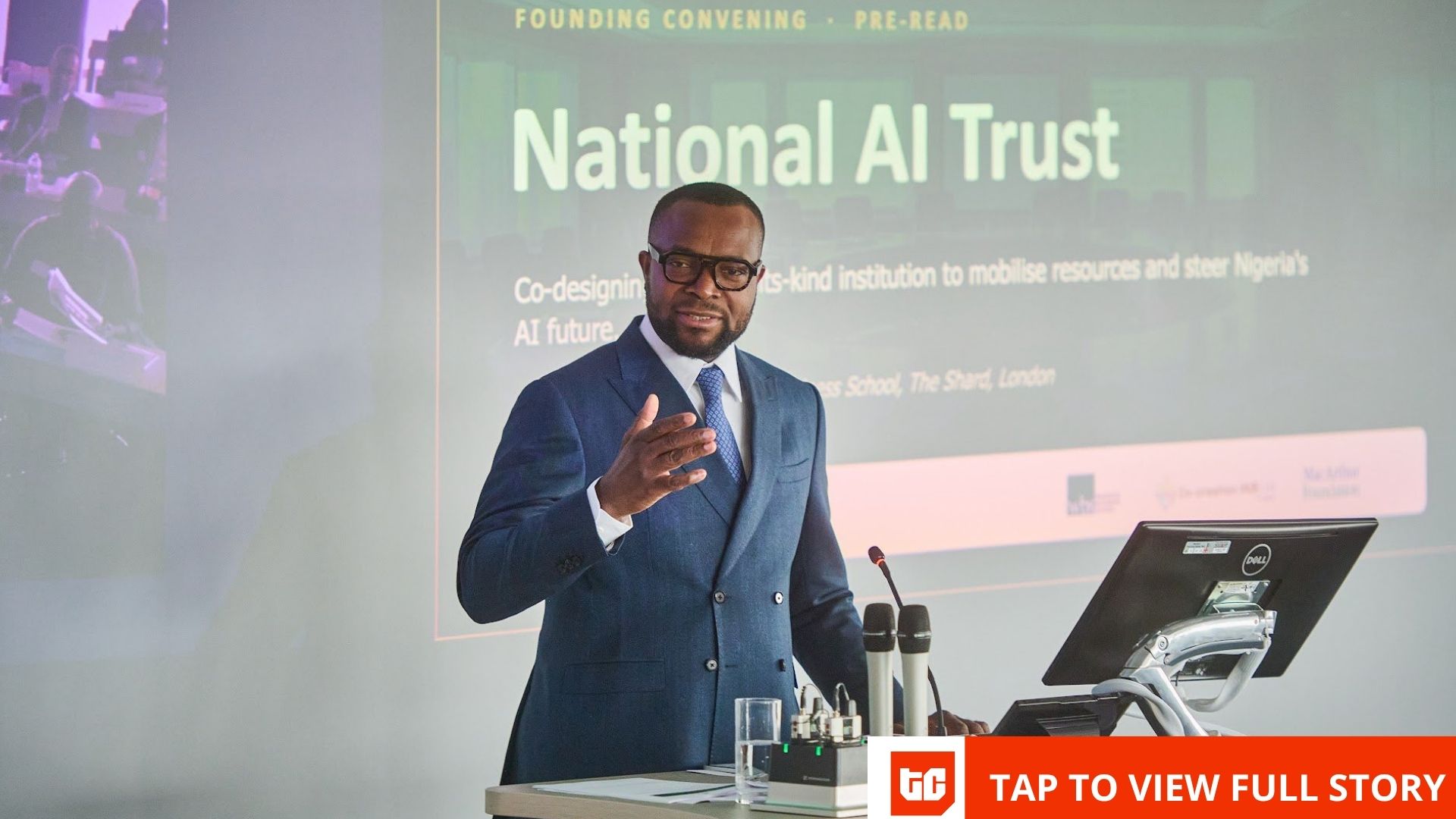
Nigeria has achieved the highest ranking among African nations in the latest Global Index on Responsible AI (GIRAI), demonstrating a remarkable ascent of 42 places globally in just two years. Moving from 80th to 38th worldwide with a score of 45.93, Nigeria has surpassed regional peers like Egypt and Kenya. This significant recognition comes from the Global Center on AI Governance (GIRAI), an independent research and policy think tank based in Cape Town, which conducts one of the most comprehensive global assessments of responsible AI across five key pillars.
This improved standing is particularly timely as African countries actively compete to attract investment in artificial intelligence, with projections indicating AI could contribute approximately $1.2 trillion to the continent's economy by 2030. Nigeria's leading position enhances its attractiveness as a hub for AI talent, innovation, and investment, aligning with global efforts to establish robust governance frameworks amidst rapid AI advancements. The GIRAI evaluates countries on inclusion and diversity, ethics and sustainability, labor and skills, trust and safety, and AI use in public services.
Nigeria's success is attributed to deliberate policy initiatives aimed at strengthening its AI ecosystem. The Federal Ministry of Communications, Innovation and Digital Economy has accelerated the National Artificial Intelligence Strategy (NAIS), expanded digital public infrastructure, and significantly invested in digital skills. These efforts include developing governance frameworks for emerging technologies and fostering international partnerships to ensure responsible AI deployment, as highlighted by Minister Bosun Tijani, who emphasized Africa's role in shaping global AI governance.
Beyond the numerical ranking, the report specifically recognized Nigeria as a global "Bright Spot" for its integrated approach to AI skills development and the implementation of safeguards for vulnerable populations, including children. Key initiatives cited include mandatory AI literacy programs and teacher training under the NAIS, alongside the 3 Million Technical Talent (3MTT) program for AI and machine learning training. Regulatory advancements like the Nigeria Data Protection Act and its General Application and Implementation Directive (GAID) 2025 were also praised for enhancing protections for children's personal data.
These efforts position Nigeria as a model for balancing AI adoption with digital rights and citizen protection, building on previous gains in international AI assessments. While the report notes broader progress in responsible AI frameworks across Global South countries, it also underscores the persistent challenge of translating policy development into robust implementation, as many frameworks remain non-binding.
Source
More in policy
South Africa Leads BRICS Call for Global AI Governance and Independent Evaluation
South Africa, through President Cyril Ramaphosa, is advocating for a robust international framework for AI governance within the BRICS bloc, including independent scientific…
GITEX Nigeria Emphasizes Sovereign AI and Digital Transformation for a $1 Trillion Economy
GITEX Nigeria, a major tech and AI event, has launched in Abuja with a strong focus on advancing the nation's digital transformation and sovereign AI ambitions. Nigerian leaders…

Kenyan Political Operative Used Anthropic's Claude for AI-Generated Election Propaganda
A Kenyan political operative leveraged Anthropic's Claude AI to mass-produce social media propaganda ahead of the 2027 general election, praising government figures and targeting…

Anthropic Uncovers AI-Powered Political Influence Campaign in Kenya
A report by Anthropic details an AI-driven political influence operation in Kenya that used the Claude model to generate social media posts supporting the government and attacking…
The dispatch
One email a day. The AI stories shaping Africa.
Rewritten for clarity, sourced always. No spam; unsubscribe anytime.