African Leaders Secure Key Roles on New Global AI Governance Commission
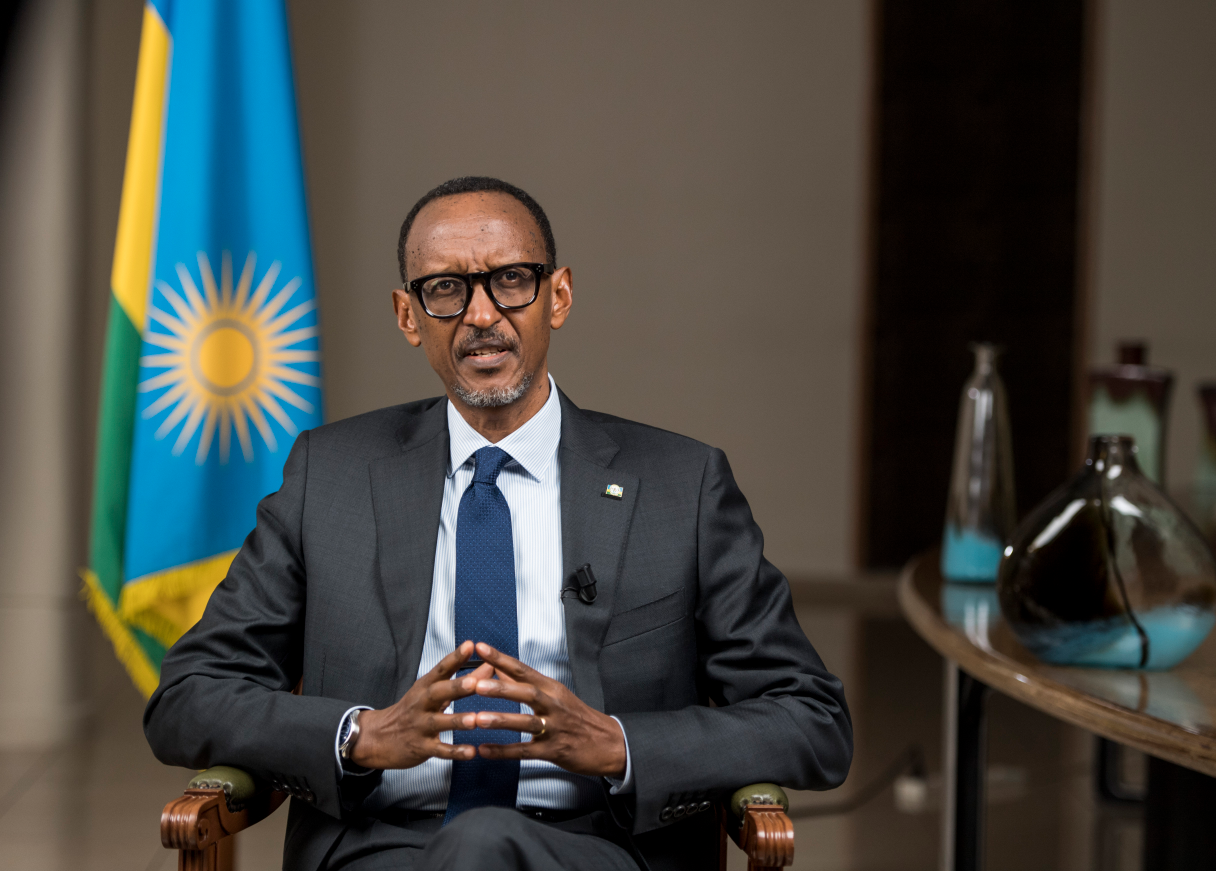
Africa has significantly boosted its influence in global artificial intelligence discussions by securing eight seats on the newly formed AI for Good Global Commission. This commission, launched by the International Telecommunication Union (ITU) during its inaugural summit in Geneva, aims to guide the responsible development and adoption of AI, ensuring that developing nations have a critical voice in shaping its future. The strong African representation underscores the continent's growing commitment to digital policy and its proactive stance in the evolving landscape of AI governance.
Rwandan President Paul Kagame has been appointed co-chair of the commission, a pivotal role that places an African leader at the forefront of global AI policy-making. This appointment reflects Rwanda's increasing prominence in AI, following its hosting of the inaugural Global AI Summit on Africa and the establishment of a National AI Office. Other governmental representatives include Nigeria's Minister of Communications, Innovation and Digital Economy, Dr. Bosun Tijani; Namibia's Minister of Information and Communication Technology, Emma Theofelus; and Togo's Minister of Public Sector Efficiency and Digital Transformation, Cina Lawson, each bringing valuable experience from their respective national digital transformation efforts.
Beyond national governments, the African Union is represented by Lerato Dorothy Mataboge, Commissioner for Infrastructure and Energy, who is instrumental in the continent's digital development agenda and AI strategy implementation. The private sector's voice comes from Ralph Mupita, President and CEO of MTN Group, Africa's largest mobile network operator, highlighting the telecommunications industry's crucial role in expanding AI access. Additionally, two Africans leading major international organizations, Dr. Ngozi Okonjo-Iweala (WTO) and Khaled El-Enany (UNESCO), contribute their expertise, ensuring diverse African perspectives are integrated into global trade, education, and AI governance dialogues.
The diverse composition of Africa's delegation, encompassing leaders from various countries, regional institutions, and the private sector, signals a strategic effort to ensure comprehensive representation. While the commission's recommendations are non-binding, Africa's substantial involvement provides a stronger platform to advocate for its interests, address unique continental challenges, and ensure equitable access to AI technologies. This move is crucial for fostering an inclusive global AI framework that benefits all regions.
Source
More in policy
South Africa Leads BRICS Call for Global AI Governance and Independent Evaluation
South Africa, through President Cyril Ramaphosa, is advocating for a robust international framework for AI governance within the BRICS bloc, including independent scientific…
GITEX Nigeria Emphasizes Sovereign AI and Digital Transformation for a $1 Trillion Economy
GITEX Nigeria, a major tech and AI event, has launched in Abuja with a strong focus on advancing the nation's digital transformation and sovereign AI ambitions. Nigerian leaders…

Kenyan Political Operative Used Anthropic's Claude for AI-Generated Election Propaganda
A Kenyan political operative leveraged Anthropic's Claude AI to mass-produce social media propaganda ahead of the 2027 general election, praising government figures and targeting…

Anthropic Uncovers AI-Powered Political Influence Campaign in Kenya
A report by Anthropic details an AI-driven political influence operation in Kenya that used the Claude model to generate social media posts supporting the government and attacking…
The dispatch
One email a day. The AI stories shaping Africa.
Rewritten for clarity, sourced always. No spam; unsubscribe anytime.