Nigerian Gig Workers Demand Algorithmic Transparency and Fair Treatment Through New ILO Convention

Nigerian e-hailing drivers, represented by the Amalgamated Union of App-Based Transporters of Nigeria (AUATON), are advocating for the Federal Government to swiftly ratify ILO Convention No. 193, known as the Decent Work in the Platform Economy Convention. This international treaty, reportedly adopted by ILO member states in June 2026, aims to establish stronger legal protections and improve working conditions for the nation's rapidly expanding gig workforce. AUATON emphasizes that while Nigeria supported the convention's adoption, formal ratification is crucial for its provisions to take effect domestically.
A central tenet of the convention addresses the employment status of gig workers, challenging the common classification of drivers as independent contractors. By encouraging countries to define worker status based on the actual nature of their work, the convention could grant Nigerian drivers access to benefits, legal protections, and employer responsibilities currently denied to them. Furthermore, the convention seeks to enhance transparency around algorithmic management, a critical issue for drivers who frequently experience automated decisions regarding trip assignments, fare calculations, and account suspensions without clear explanations.
For Nigeria's estimated 2.5 million platform workers, these provisions are vital. Drivers often grapple with unstable incomes, inadequate social protection, and weak workplace safeguards. The proposed standards also push for fair remuneration, safer working conditions—addressing concerns like declining fares and the high incidence of attacks against drivers—and expanded social welfare, including access to health insurance and pensions. The right to organize and engage in collective bargaining is also guaranteed, aiming to empower workers in their dealings with platform companies.
The adoption of this convention by Nigeria would signify a commitment to modernizing labor laws in response to the digital economy's evolution. AUATON believes it would not only bolster workers' rights but also provide a clearer regulatory framework for platform companies operating within the country. This initiative underscores a broader continental debate on how to protect the individuals powering the burgeoning digital platforms across Africa, ensuring that technological advancement is accompanied by equitable labor practices.
Source
More in policy

South Africa Leads BRICS Call for Global AI Governance and Independent Evaluation
South Africa, through President Cyril Ramaphosa, is advocating for a robust international framework for AI governance within the BRICS bloc, including independent scientific…
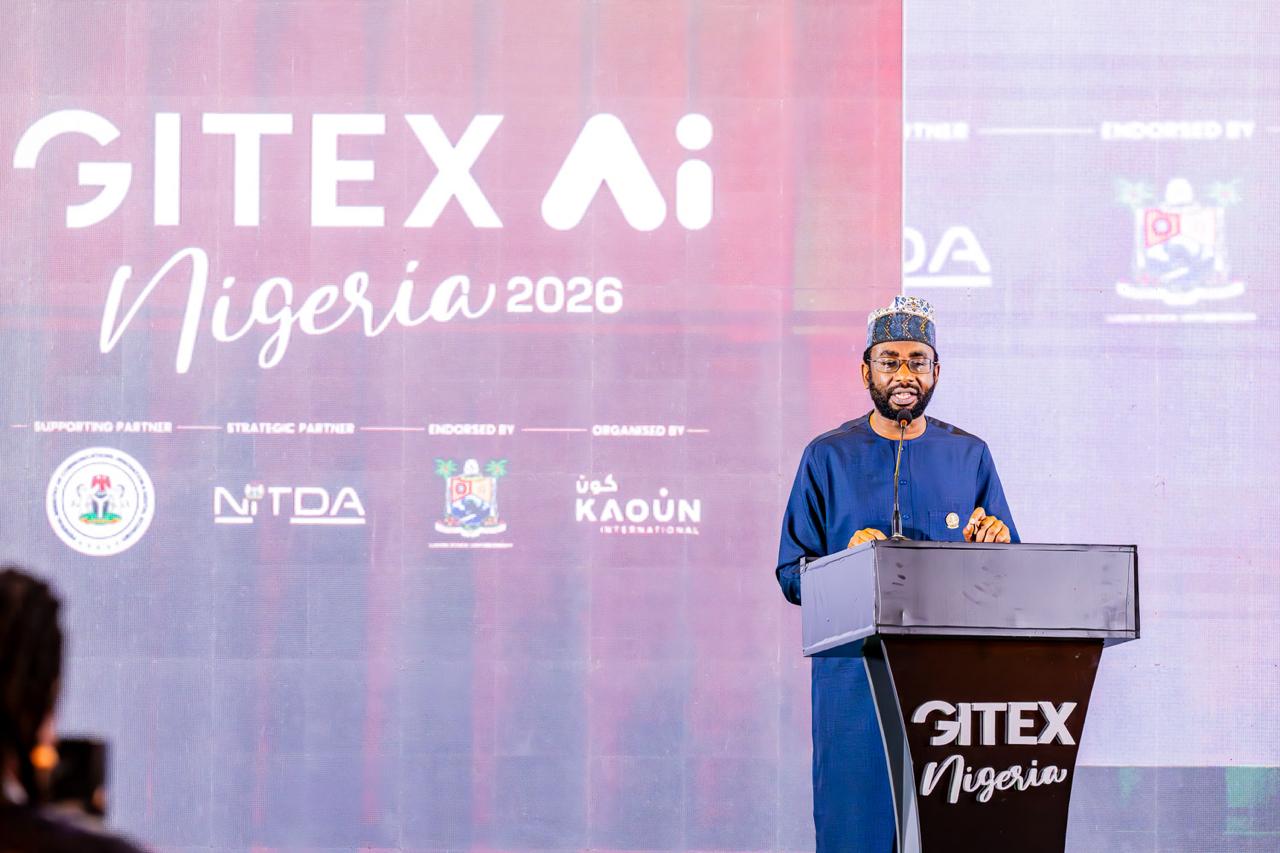
GITEX Nigeria Emphasizes Sovereign AI and Digital Transformation for a $1 Trillion Economy
GITEX Nigeria, a major tech and AI event, has launched in Abuja with a strong focus on advancing the nation's digital transformation and sovereign AI ambitions. Nigerian leaders…

Kenyan Political Operative Used Anthropic's Claude for AI-Generated Election Propaganda
A Kenyan political operative leveraged Anthropic's Claude AI to mass-produce social media propaganda ahead of the 2027 general election, praising government figures and targeting…

Anthropic Uncovers AI-Powered Political Influence Campaign in Kenya
A report by Anthropic details an AI-driven political influence operation in Kenya that used the Claude model to generate social media posts supporting the government and attacking…
The dispatch
One email a day. The AI stories shaping Africa.
Rewritten for clarity, sourced always. No spam; unsubscribe anytime.