Nigeria's Digital Health Future: Senate Advances Bill to Leverage AI and Telemedicine

The Nigerian Senate has taken a significant step towards modernizing its healthcare system by passing the National E-Health Bill, 2026, for its second reading. This proposed legislation aims to establish a comprehensive legal and institutional framework for electronic health services across the country. The bill, sponsored by Deputy Senate President Barau I. Jibrin, received unanimous support, signaling a strong governmental commitment to digital transformation in healthcare.
During the debate, Senator Barau emphasized the global trend of digital technologies, including artificial intelligence, electronic medical records, and telemedicine, in revolutionizing healthcare delivery. He highlighted these technologies' potential to expand access to medical services, reduce costs, and improve patient outcomes. The bill specifically addresses critical challenges within Nigeria's current system, such as reliance on paper-based medical records leading to data loss and treatment delays, as well as a lack of interoperability between healthcare institutions.
A key focus of the legislation is to enhance access to specialist care for millions of Nigerians in rural and underserved communities through the widespread adoption of telemedicine. This approach is expected to allow patients to receive expert consultations remotely, alleviating pressure on tertiary facilities and making quality medical services more accessible. The COVID-19 pandemic further underscored the necessity of such digital health solutions in maintaining healthcare continuity and reducing physical contact.
Beyond improving access, the bill prioritizes the protection of patient information by establishing robust safeguards for data confidentiality, integrity, and security. It also seeks to streamline healthcare administration through digital appointment systems, strengthen disease surveillance via enhanced data collection and analysis, and foster innovation and job creation within Nigeria's burgeoning digital economy. This legislative initiative aligns with Nigeria's broader digital transformation agenda and its commitments to universal health coverage and the UN Sustainable Development Goals.
If enacted, the National E-Health Bill, 2026, will provide Nigeria with a vital legal foundation to develop, regulate, and integrate electronic health services, propelling the nation towards a more efficient, technology-driven, and patient-centric healthcare future. This move is crucial for harnessing the power of AI and other digital tools to overcome long-standing healthcare disparities and improve public health outcomes across the continent's most populous nation.
Source
More in policy

South Africa Leads BRICS Call for Global AI Governance and Independent Evaluation
South Africa, through President Cyril Ramaphosa, is advocating for a robust international framework for AI governance within the BRICS bloc, including independent scientific…
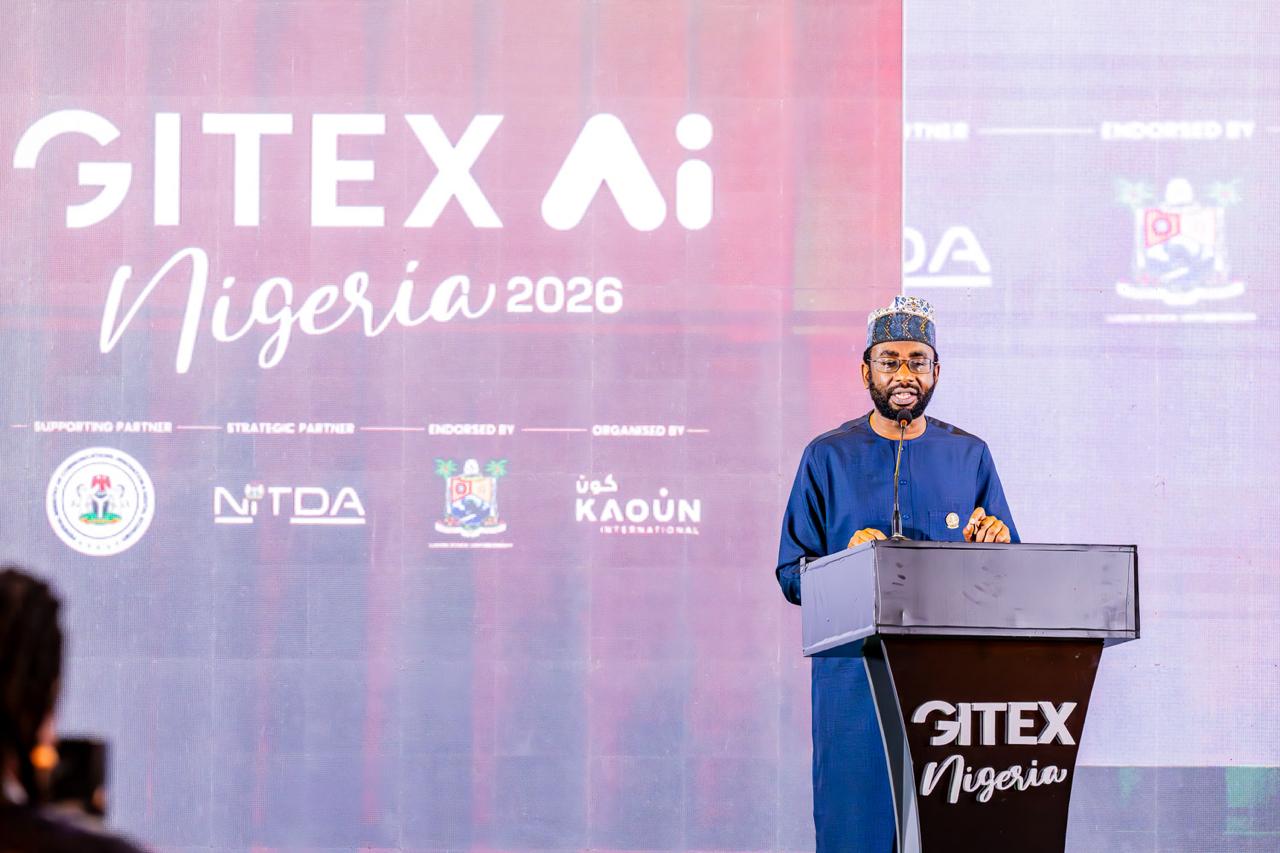
GITEX Nigeria Emphasizes Sovereign AI and Digital Transformation for a $1 Trillion Economy
GITEX Nigeria, a major tech and AI event, has launched in Abuja with a strong focus on advancing the nation's digital transformation and sovereign AI ambitions. Nigerian leaders…

Kenyan Political Operative Used Anthropic's Claude for AI-Generated Election Propaganda
A Kenyan political operative leveraged Anthropic's Claude AI to mass-produce social media propaganda ahead of the 2027 general election, praising government figures and targeting…

Anthropic Uncovers AI-Powered Political Influence Campaign in Kenya
A report by Anthropic details an AI-driven political influence operation in Kenya that used the Claude model to generate social media posts supporting the government and attacking…
The dispatch
One email a day. The AI stories shaping Africa.
Rewritten for clarity, sourced always. No spam; unsubscribe anytime.