Africa Secures Eight Foundational Seats on UN's AI for Good Global Commission

Africa has achieved significant representation on the newly established AI for Good Global Commission, a high-level international body convened by the United Nations’ International Telecommunication Union (ITU). With eight foundational seats, including Rwandan President Paul Kagame serving as Co-Chair, the continent is poised to play a crucial role in shaping global artificial intelligence governance. The commission held its inaugural meeting in Geneva, marking a pivotal moment for ensuring developing nations have a direct and meaningful voice in AI policy.
Key African appointments include Nigeria’s Minister of Communications, Innovation and Digital Economy, Dr. ‘Bosun Tijani, as a founding member. Other notable representatives from Africa include ministers from Namibia and Togo, the African Union’s Commissioner for Infrastructure and Energy, the Director-General of the World Trade Organization (an African), a UNESCO nominee from Egypt, and the CEO of MTN Group, Ralph Mupita. This diverse group brings expertise spanning public policy, regional integration, and commercial digital infrastructure, reflecting a comprehensive African perspective.
The commission's mandate is to establish practical pathways for expanding AI access, building trust in automated systems, and accelerating the technology's integration into sustainable global development. The allocation of eight seats to African representatives signifies a departure from historical tech-governance structures, where emerging markets were often marginalized. This strong African presence ensures that the continent's unique challenges and opportunities are central to global AI discussions.
Africa's heavy concentration of leadership on the commission guarantees that the specific realities of the Global South—such as localized data scarcity, computing deficits, and broadband infrastructure gaps—will be integrated directly into global tech policy from its inception. As Dr. Tijani emphasized, this inclusion is vital for equitable technological evolution, ensuring AI benefits are accessible to all countries and people, and fostering trusted, inclusive AI ecosystems that drive innovation and sustainable development across Africa and beyond.
Source
More in policy
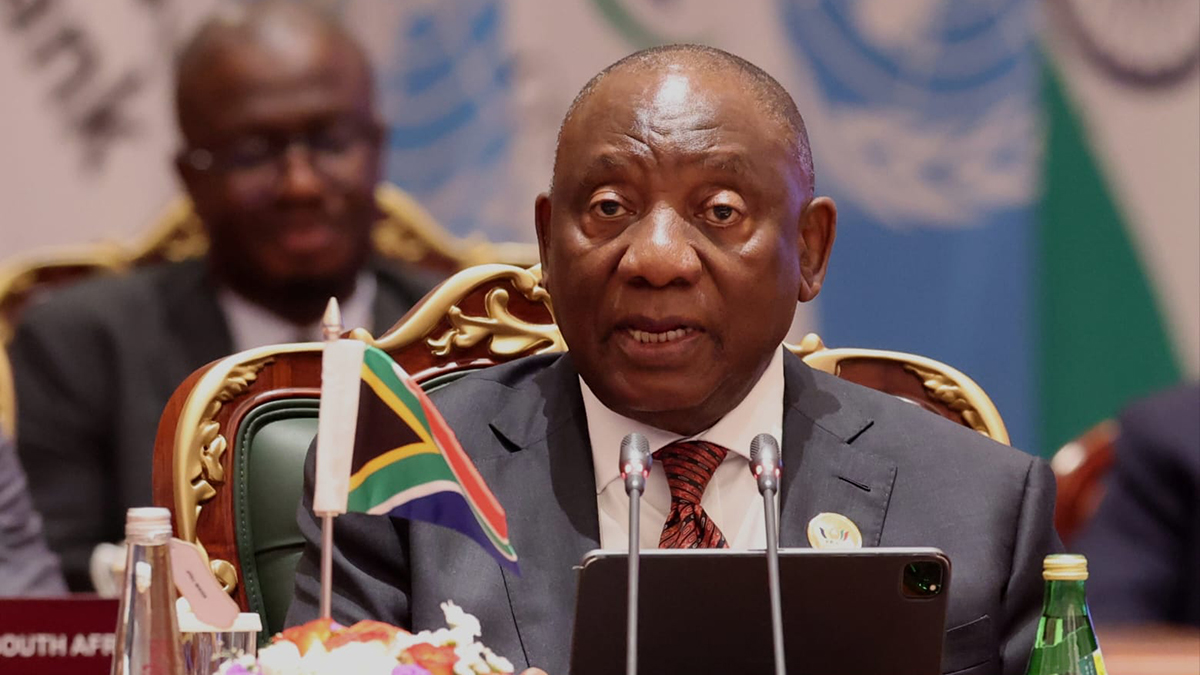
South Africa Leads BRICS Call for Global AI Governance and Independent Evaluation
South Africa, through President Cyril Ramaphosa, is advocating for a robust international framework for AI governance within the BRICS bloc, including independent scientific…
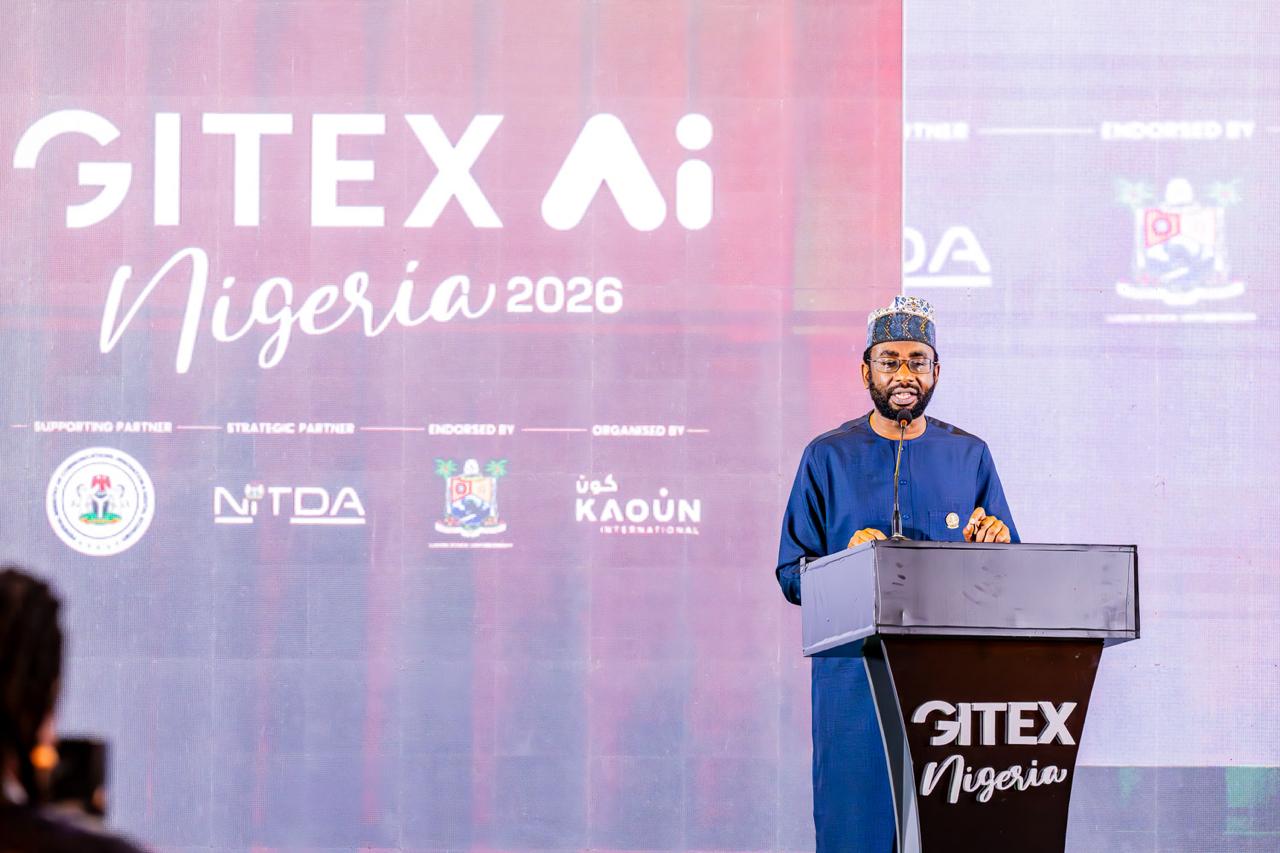
GITEX Nigeria Emphasizes Sovereign AI and Digital Transformation for a $1 Trillion Economy
GITEX Nigeria, a major tech and AI event, has launched in Abuja with a strong focus on advancing the nation's digital transformation and sovereign AI ambitions. Nigerian leaders…

Kenyan Political Operative Used Anthropic's Claude for AI-Generated Election Propaganda
A Kenyan political operative leveraged Anthropic's Claude AI to mass-produce social media propaganda ahead of the 2027 general election, praising government figures and targeting…

Anthropic Uncovers AI-Powered Political Influence Campaign in Kenya
A report by Anthropic details an AI-driven political influence operation in Kenya that used the Claude model to generate social media posts supporting the government and attacking…
The dispatch
One email a day. The AI stories shaping Africa.
Rewritten for clarity, sourced always. No spam; unsubscribe anytime.