Nigeria's Election Tech Faces Scrutiny Over Android 10 and Biometric Accuracy Ahead of Osun Poll

Nigeria's Independent National Electoral Commission (INEC) is facing renewed cybersecurity and reliability concerns regarding its Bimodal Voter Accreditation System (BVAS) devices, critical for voter verification and result transmission. The controversy stems from the disclosure that BVAS units operate on Android 10, an older operating system that stopped receiving mainstream security updates in 2023. While INEC's Director of ICT, Dr. Lawrence Bayode, assured that the devices run a heavily customized, locked-down version with additional security layers, the revelation has fueled public apprehension, particularly given past technological glitches during elections.
Further complicating matters, a recent mock accreditation exercise in Osun State revealed issues with biometric matching, where older voter registration data caused legitimate voters to be flagged as duplicates. INEC framed this as a successful test, allowing them to identify and correct the problem. However, this incident, combined with the Android 10 disclosure, has exacerbated a "confidence problem" for INEC as it seeks to convince Nigerians of its technological readiness for the 2027 general elections.
The significance for Africa lies in Nigeria's ongoing efforts to leverage technology for more transparent and efficient elections, a challenge many African nations face. The reliability of systems like BVAS is crucial for democratic processes, and the questions raised in Nigeria highlight broader concerns about digital infrastructure, cybersecurity resilience, and public trust in electoral technology across the continent. Nigeria's experience with BVAS, both its successes and failures, offers valuable lessons for other African countries exploring or implementing similar AI-driven solutions in governance.
The upcoming Osun gubernatorial election is seen as a critical dress rehearsal for the 2027 general elections. The 2026 Electoral Act introduces stringent penalties for BVAS failures, mandating election cancellation and re-runs within 24 hours if devices fail and cannot be replaced. This tight deadline poses significant logistical challenges, especially in remote areas. The performance of BVAS in Osun will be closely watched as an indicator of INEC's capacity to manage technology-dependent elections on a national scale, impacting the credibility of future polls in Africa's most populous nation.
Source
More in policy
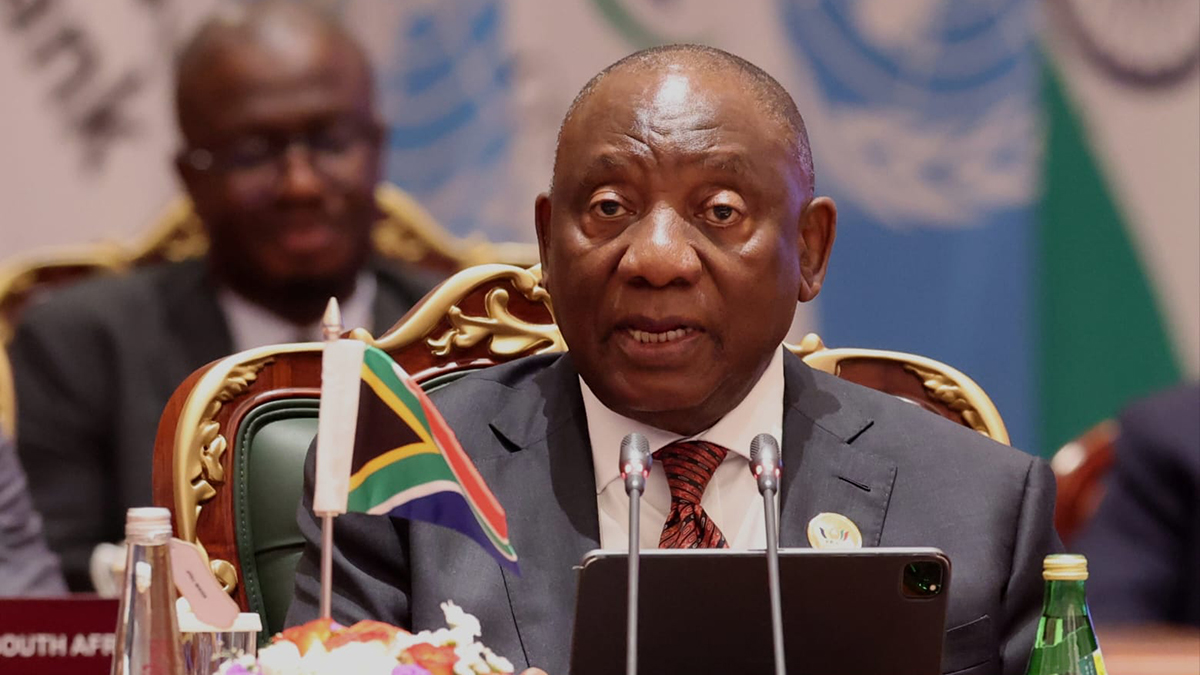
South Africa Leads BRICS Call for Global AI Governance and Independent Evaluation
South Africa, through President Cyril Ramaphosa, is advocating for a robust international framework for AI governance within the BRICS bloc, including independent scientific…
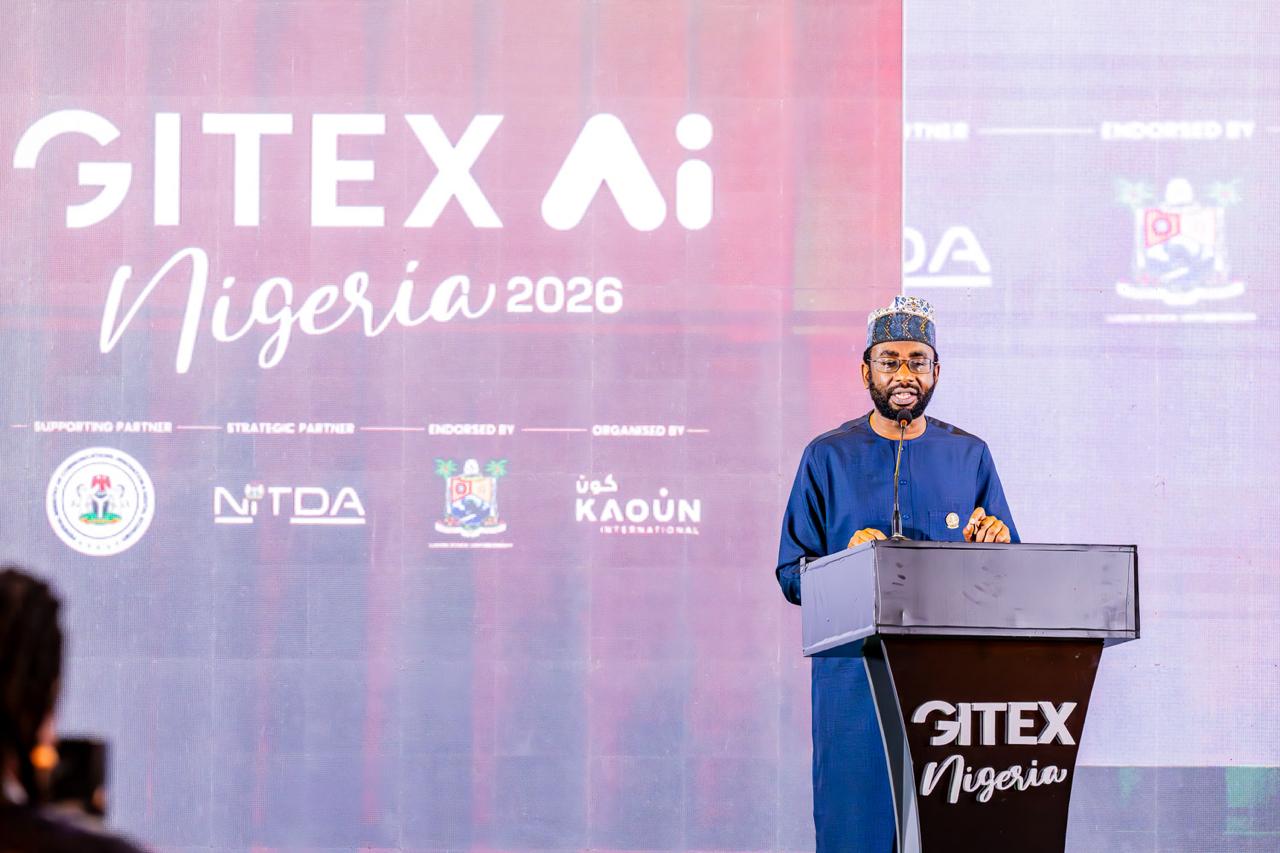
GITEX Nigeria Emphasizes Sovereign AI and Digital Transformation for a $1 Trillion Economy
GITEX Nigeria, a major tech and AI event, has launched in Abuja with a strong focus on advancing the nation's digital transformation and sovereign AI ambitions. Nigerian leaders…

Kenyan Political Operative Used Anthropic's Claude for AI-Generated Election Propaganda
A Kenyan political operative leveraged Anthropic's Claude AI to mass-produce social media propaganda ahead of the 2027 general election, praising government figures and targeting…

Anthropic Uncovers AI-Powered Political Influence Campaign in Kenya
A report by Anthropic details an AI-driven political influence operation in Kenya that used the Claude model to generate social media posts supporting the government and attacking…
The dispatch
One email a day. The AI stories shaping Africa.
Rewritten for clarity, sourced always. No spam; unsubscribe anytime.