Kenyan Tribunal Declares AI-Only Creations Ineligible for Copyright

On July 9, 2026, Kenya's Copyright Tribunal delivered a significant ruling, establishing that works produced entirely by artificial intelligence cannot be protected under copyright law. The tribunal asserted that legal authorship is exclusively vested in humans, a decision poised to influence how creators, businesses, and publishers in Kenya approach generative AI technologies. This landmark judgment arose from a dispute concerning AI-assisted Bible Scripture Stories.
The ruling clarifies that AI tools are permissible as creative aids but cannot substitute human intellectual effort and originality. For individuals to claim copyright over AI-assisted creations, they must demonstrate substantial creative input, judgment, and intellectual contribution to the final product. Merely issuing prompts to an AI chatbot or image generator will not automatically qualify the output for copyright protection, thereby setting a higher standard for commercializing AI-generated content in Kenya.
The case originated from a contractual disagreement involving Cynthia Beldina Akoth, who used AI tools to develop Bible Scripture Stories for the Aryeh Movement. After their working relationship ended, Akoth discovered the company had registered the works under its name with the Kenya Copyright Board (KECOBO). This challenge led the Tribunal to deliberate on the fundamental question of copyright ownership in AI-involved creations, ultimately concluding that AI lacks the legal personality required for authorship.
This Kenyan decision aligns with global trends, as copyright authorities and courts in other nations, including the United States, have similarly upheld the human authorship requirement for copyright protection. The timing is particularly relevant for Kenya, which is actively revising its copyright legislation and engaging in broader discussions on AI regulation. The Tribunal's stance provides crucial guidance on the legal treatment of AI-generated content, emphasizing that while AI can assist, meaningful human creativity remains paramount for copyright eligibility.
Source
More in policy
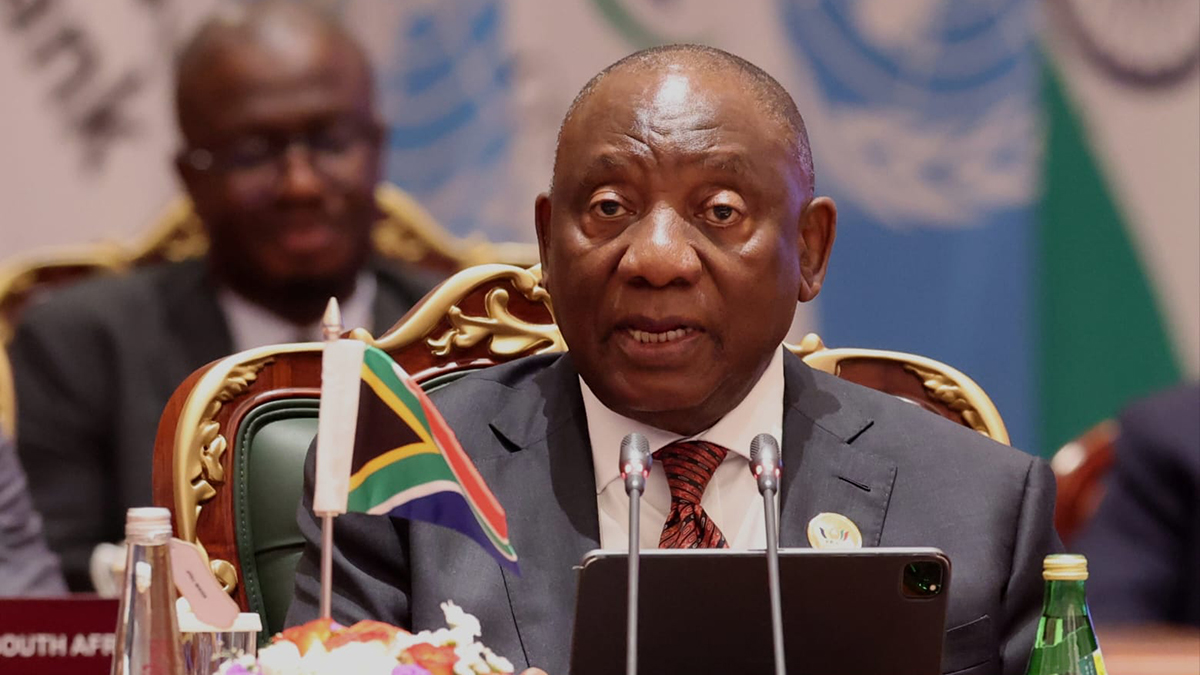
South Africa Leads BRICS Call for Global AI Governance and Independent Evaluation
South Africa, through President Cyril Ramaphosa, is advocating for a robust international framework for AI governance within the BRICS bloc, including independent scientific…
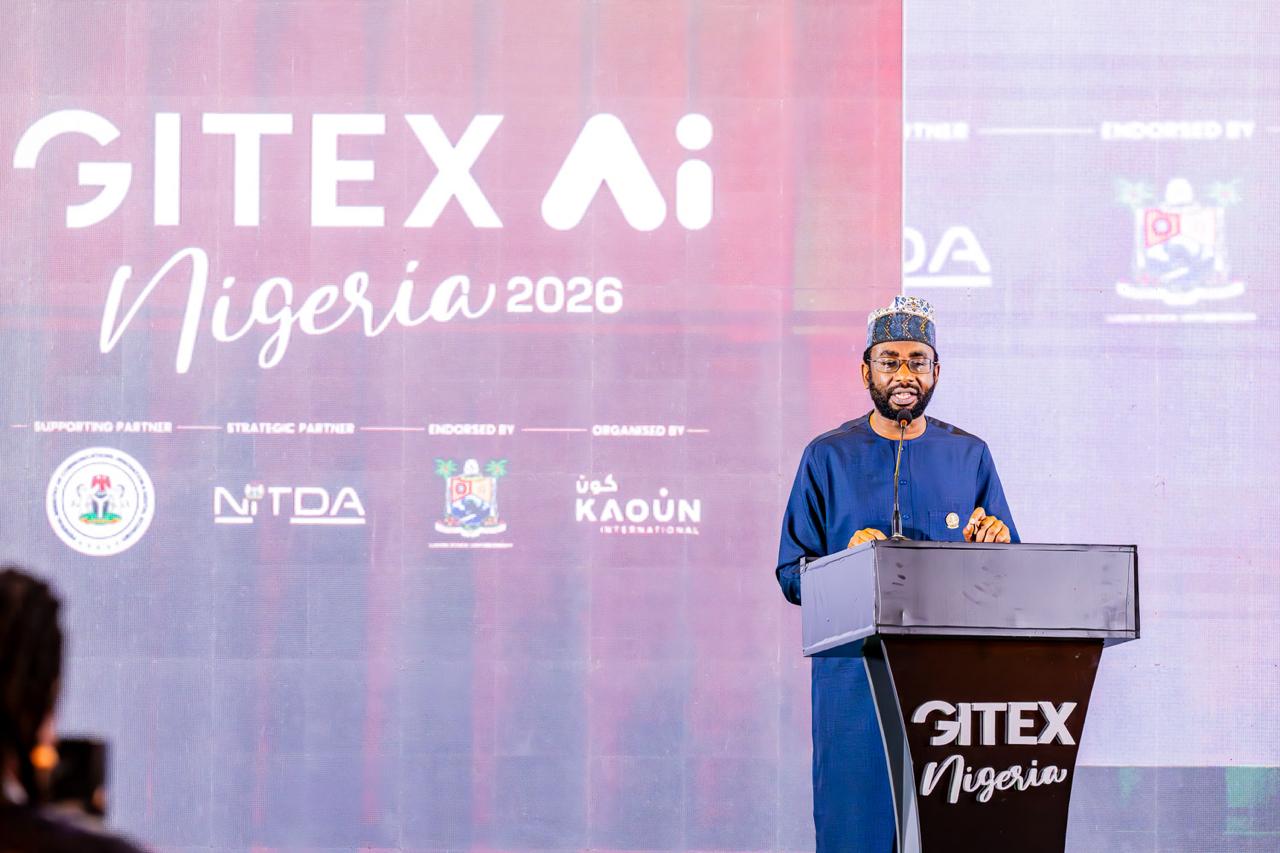
GITEX Nigeria Emphasizes Sovereign AI and Digital Transformation for a $1 Trillion Economy
GITEX Nigeria, a major tech and AI event, has launched in Abuja with a strong focus on advancing the nation's digital transformation and sovereign AI ambitions. Nigerian leaders…

Kenyan Political Operative Used Anthropic's Claude for AI-Generated Election Propaganda
A Kenyan political operative leveraged Anthropic's Claude AI to mass-produce social media propaganda ahead of the 2027 general election, praising government figures and targeting…

Anthropic Uncovers AI-Powered Political Influence Campaign in Kenya
A report by Anthropic details an AI-driven political influence operation in Kenya that used the Claude model to generate social media posts supporting the government and attacking…
The dispatch
One email a day. The AI stories shaping Africa.
Rewritten for clarity, sourced always. No spam; unsubscribe anytime.