AI Fuels Over Half of African Cybercrimes, INTERPOL Report Reveals

A new report from INTERPOL, the African Cyberthreat Assessment 2026, highlights that artificial intelligence now powers 55% of reported cybercrimes across Africa. This significant increase makes cyberattacks faster, more scalable, and harder to detect, coinciding with the continent's rapid digital transformation. The report, based on data from 36 African member countries, underscores a shift from isolated cyber incidents to an industrialized, borderless criminal ecosystem.
The financial impact of cybercrime in Africa has more than doubled, soaring from US$192 million in 2024 to US$484 million. This surge is largely attributed to AI-enabled scams, credential harvesting, and automated social engineering campaigns, with online scams being the most prevalent. The report also identifies regional trends, such as mobile money fraud in East Africa, business email compromise in Central and West Africa, and Southern Africa's vulnerability due to high digital connectivity.
The assessment details the growing sophistication of AI-powered threats, including digital sextortion using deepfakes, advanced business email compromise with AI-generated emails, and the use of AI to create synthetic identities to bypass biometric systems and commit financial fraud. Neal Jetton, Director of INTERPOL's Cybercrime Unit, emphasized that AI is automating every stage of a cyberattack, posing a significant threat to the region.
Despite these challenges, the report notes positive developments, including 17 African countries enacting or updating cybercrime legislation in 2025 and successful international operations leading to numerous arrests and asset recoveries. INTERPOL recommends enhancing digital forensic capabilities, fostering cross-border cooperation, investing in AI literacy for law enforcement, and strengthening public-private partnerships to build Africa's cyber resilience. The report is part of INTERPOL's African Joint Operation against Cybercrime, supported by the UK and other partners.
Source
More in policy

Mozambique Leads Africa with National AI Education Regulations
Mozambique is drafting pioneering national regulations for AI use across its entire education system, from primary to university, with a focus on generative AI. This makes it the…

South African Data Regulator Grapples with AI's Challenge to Privacy Laws
South Africa's Information Regulator (InfoReg) is navigating the complex privacy implications of AI, finding its existing data protection laws challenged by new technologies. The…
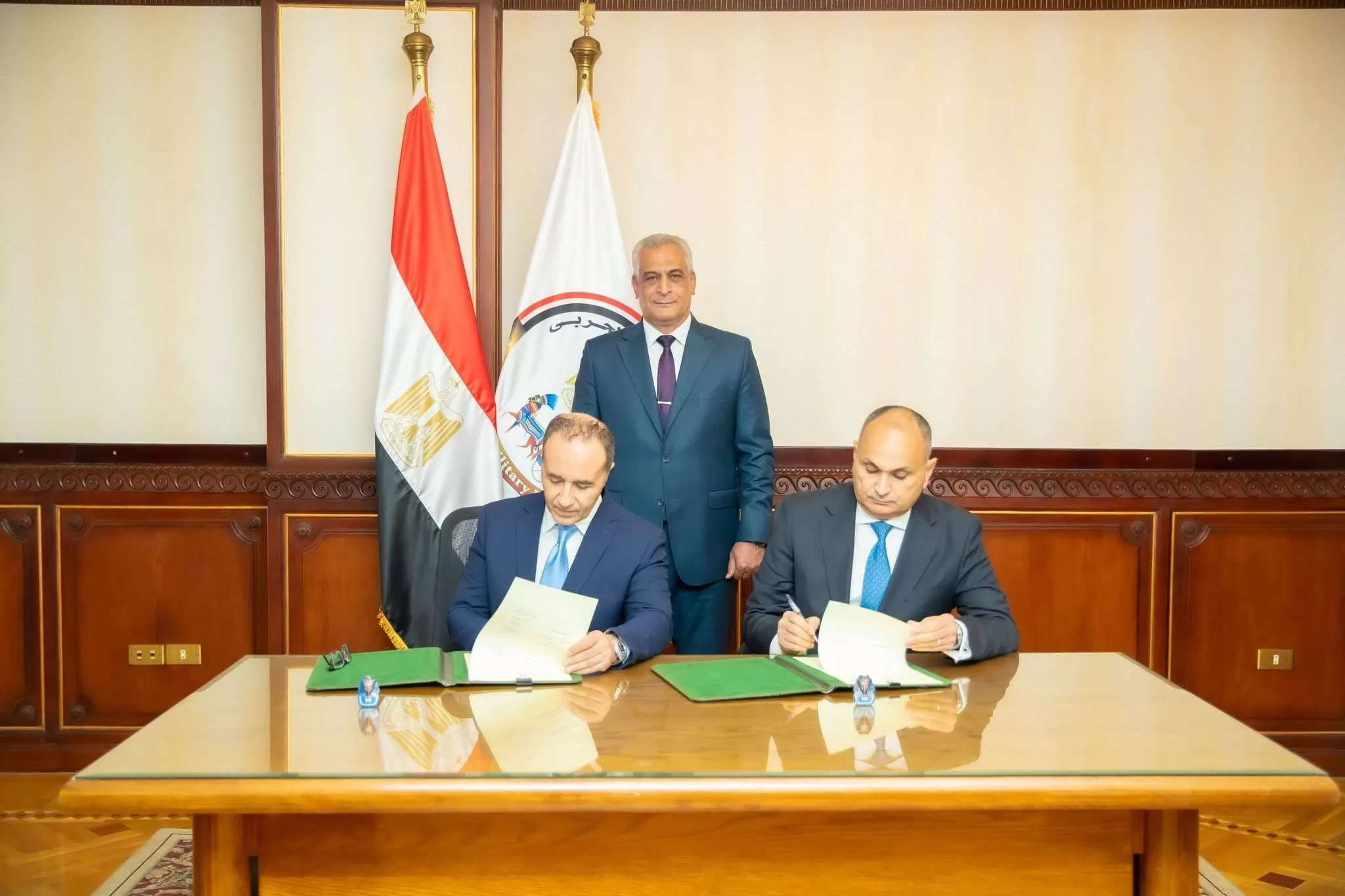
Egypt and Intel Launch Massive AI Skills Initiative Targeting One Million Citizens Annually
Egypt has partnered with Intel on a national initiative to train one million citizens annually in AI skills over three years. This program is a cornerstone of Egypt's National AI…

Gates Foundation Pledges $1 Billion for Equitable AI Development, Prioritizing Global Health and Opportunity
The Gates Foundation's $1 billion pledge for equitable AI development is highly relevant to Africa, focusing on global health, education, and agriculture, areas critical for the…
The dispatch
One email a day. The AI stories shaping Africa.
Rewritten for clarity, sourced always. No spam; unsubscribe anytime.