Egypt Expands AI and Computer Science Education Across Over 100 University Faculties

Egypt's Ministry of Higher Education and Scientific Research announced that more than 100 faculties and institutes across the country now offer academic programs in computer science and artificial intelligence. This significant expansion aims to integrate AI into education, scientific research, and innovation, reflecting a national commitment to developing a skilled workforce in these critical fields. The initiative is a key part of Egypt's broader strategy to position itself as a leader in AI development on the African continent.
The strategy extends beyond traditional coursework, emphasizing practical training through collaborations with companies and international organizations like the United Nations Development Programme. The ministry plans to prioritize these training programs in the coming year, focusing on aligning student skills with the demands of the labor market. This approach seeks to ensure that graduates are not only academically proficient but also prepared for real-world applications of AI.
This educational drive is aligned with Egypt's National AI Strategy 2025-2030, which targets the training of 30,000 AI specialists and the establishment of over 250 AI companies. While the expansion of faculties is a strong indicator of supply-side commitment, the article notes a lack of publicly available data on student enrollment and graduation numbers specifically for AI programs. Such data would be crucial for assessing whether the country is on track to meet its ambitious targets for producing AI specialists.
Complementing the university programs, Egypt has also launched an AI competency framework for schoolteachers in partnership with UNESCO, recognizing the foundational role of educator capability. Furthermore, substantial corporate training initiatives from companies like Intel, IBM, Microsoft, Oracle, and Huawei are contributing to AI literacy across the general population, although these are distinct from the specialist-focused university offerings.
Source
More in policy

World Bank Advises Sub-Saharan Africa to Focus on 'Small AI' for Local Impact
The World Bank's recent report advises Sub-Saharan Africa to prioritize 'small AI' applications designed for local needs and low-bandwidth environments, rather than focusing on…

South Africa Must Prioritize Job Creation and Skills Development in its AI Strategy, New Report Urges
A new report emphasizes that South Africa must prioritize job creation and skills development in its AI strategy to mitigate high unemployment and leverage AI for economic growth.…
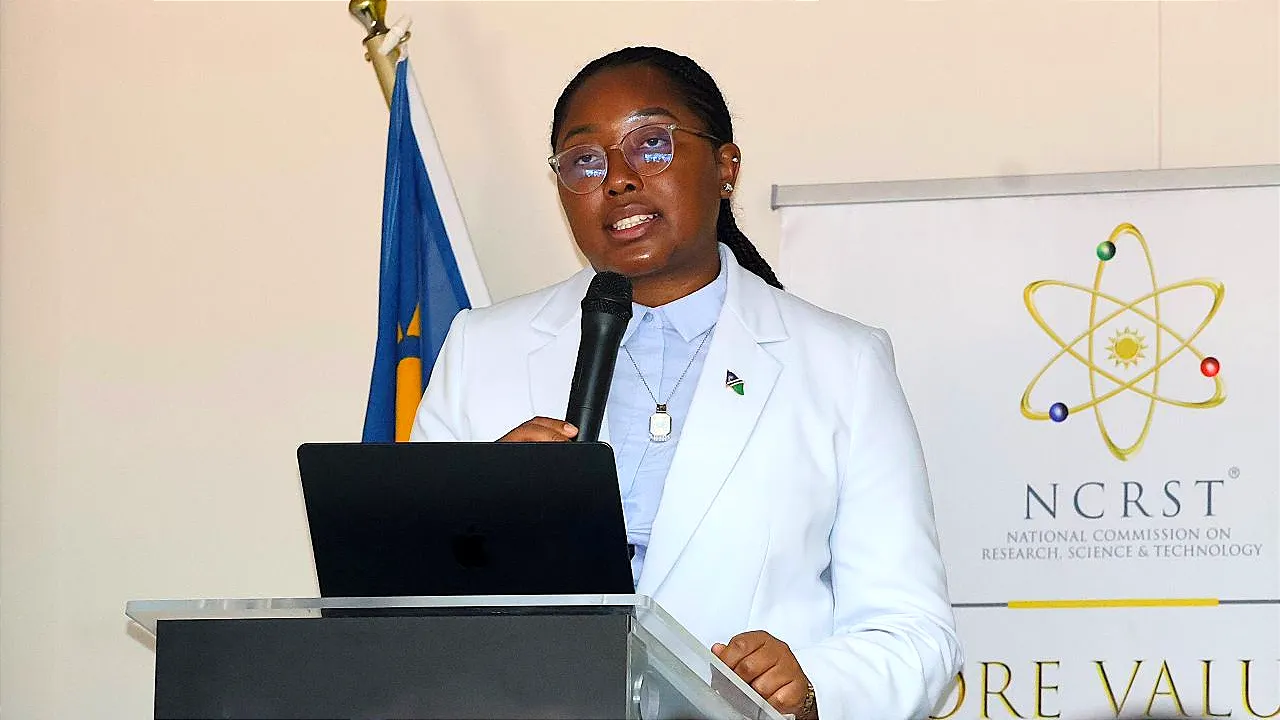
Namibia Launches National AI Institute to Address Identified Gaps in Local Readiness
Namibia has launched a National AI Institute directly structured to address specific gaps identified in its own AI Readiness Assessment, particularly focusing on the severe lack…

Bill Gates Outlines AI's Transformative Potential and Challenges for Africa
Bill Gates discussed how AI can transform African agriculture, health, and education, emphasizing the need for AI tools to be localized with African languages and data. He…
The dispatch
One email a day. The AI stories shaping Africa.
Rewritten for clarity, sourced always. No spam; unsubscribe anytime.