Kenya's AI Future: Envoy Stresses Talent, Investment, and Adaptation Amid Job Displacement Concerns

Ambassador Philip Thigo, Kenya's Special Envoy on Technology, has urged Kenyans to proactively adapt to the ongoing artificial intelligence revolution, emphasizing the need for significant investment in talent development, digital infrastructure, and skills. Speaking on Capital in the Morning, Thigo highlighted Kenya's young, digitally connected population as a key advantage, but cautioned that this talent must be channeled into creating economically valuable products and services.
The discussion comes as Kenya shows high rates of AI tool adoption, with a recent report indicating 97.5% of Kenyan respondents aged 16 and above used an AI tool in the past month. Thigo clarified that this figure represents usage relative to population, not absolute numbers, and stressed the importance of strengthening the ecosystem to translate adoption into tangible economic gains. He called for increased local investment across research, capital, infrastructure, intellectual property, public procurement, and market access, advocating for a "glocal" mindset where Kenyan talent serves global markets from within the country.
Thigo offered a frank assessment of AI's impact on employment, stating that job displacement is inevitable and cannot be sugarcoated. He cited projections from the World Economic Forum on job creation and displacement due, underscoring the critical need for workers to reskill and upskill rapidly. He used journalism as an example, suggesting AI should augment human capabilities rather than replace them, and advocated for educational reforms to prepare both current workers and students for an AI-enabled economy.
Finally, the Ambassador identified loss of human agency, child safety, and exclusion as major risks associated with Kenya's increasing reliance on AI. He questioned the depth of AI usage beyond mere adoption, warning against over-delegating thinking to machines. He also called for shared digital infrastructure to reduce the cost of advanced technologies, especially in sectors like agriculture, to ensure broader access and prevent deepening inequalities.
Source
More in policy
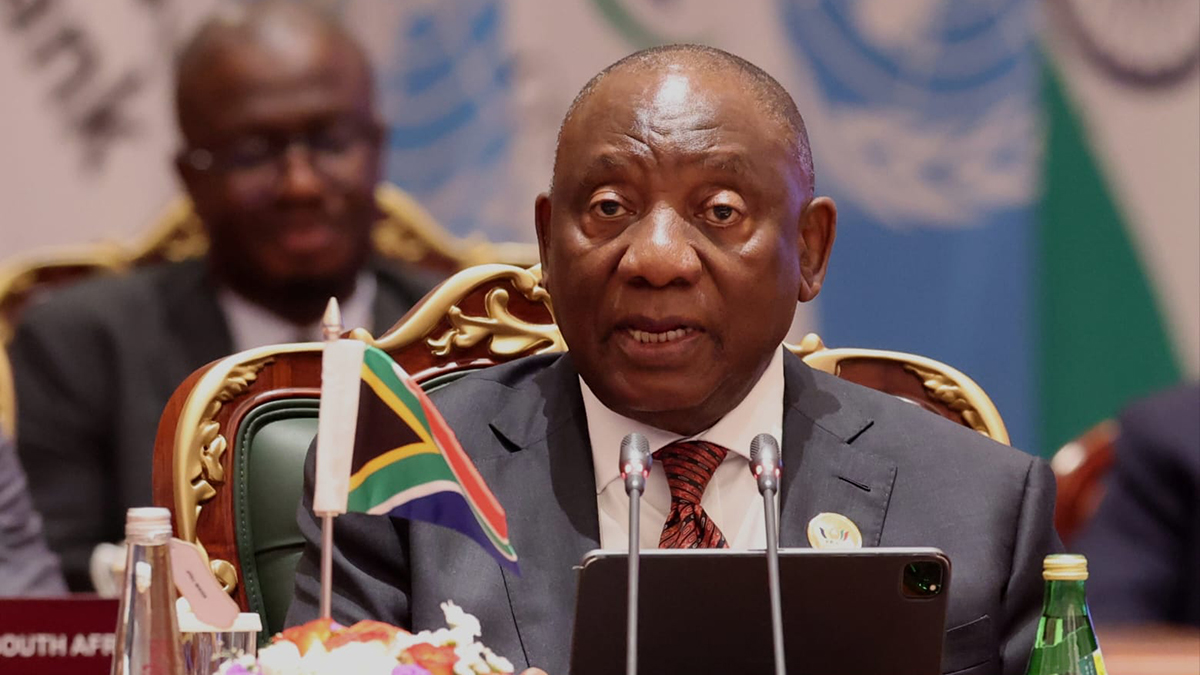
South Africa Leads BRICS Call for Global AI Governance and Independent Evaluation
South Africa, through President Cyril Ramaphosa, is advocating for a robust international framework for AI governance within the BRICS bloc, including independent scientific…
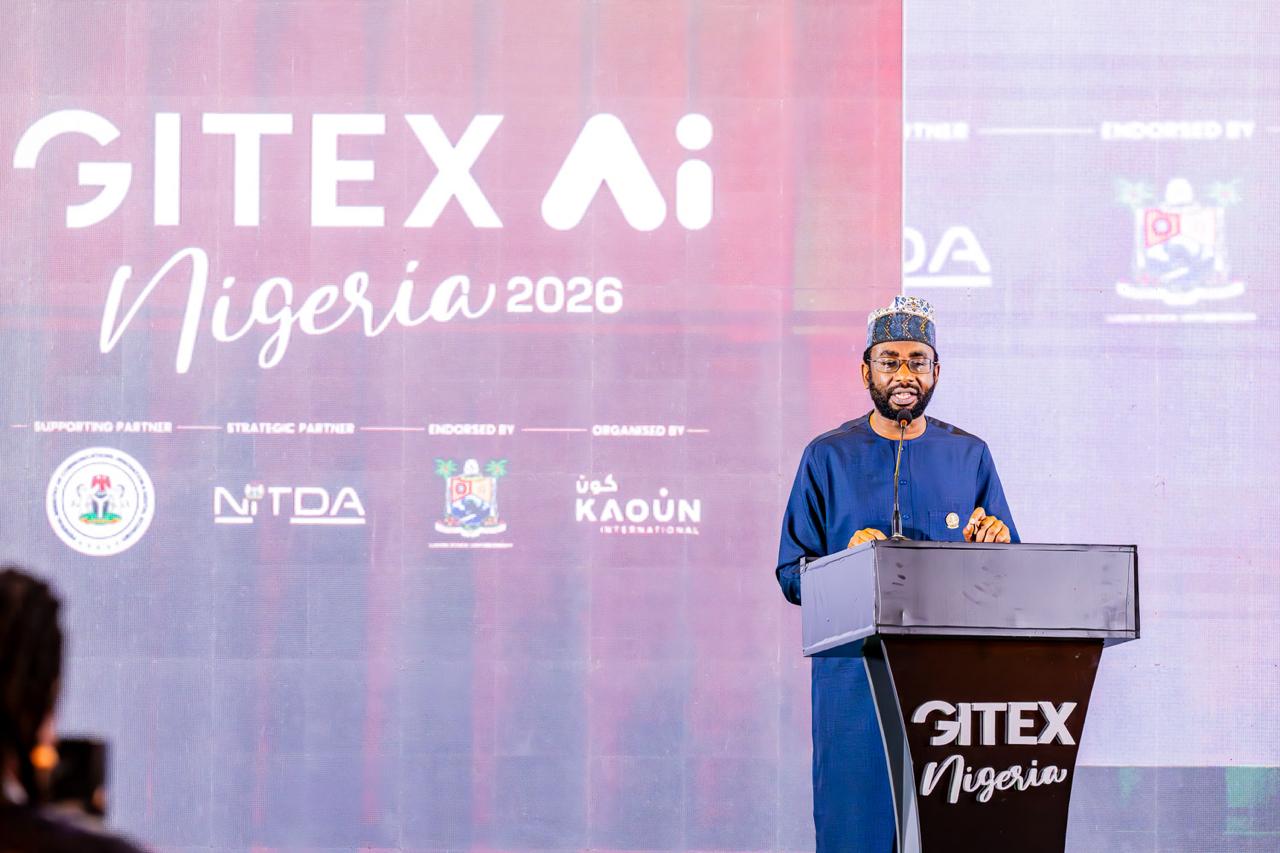
GITEX Nigeria Emphasizes Sovereign AI and Digital Transformation for a $1 Trillion Economy
GITEX Nigeria, a major tech and AI event, has launched in Abuja with a strong focus on advancing the nation's digital transformation and sovereign AI ambitions. Nigerian leaders…

Kenyan Political Operative Used Anthropic's Claude for AI-Generated Election Propaganda
A Kenyan political operative leveraged Anthropic's Claude AI to mass-produce social media propaganda ahead of the 2027 general election, praising government figures and targeting…

Anthropic Uncovers AI-Powered Political Influence Campaign in Kenya
A report by Anthropic details an AI-driven political influence operation in Kenya that used the Claude model to generate social media posts supporting the government and attacking…
The dispatch
One email a day. The AI stories shaping Africa.
Rewritten for clarity, sourced always. No spam; unsubscribe anytime.