Lesotho Pioneers UN AI Strategy with Demand-Driven Compute Roadmap
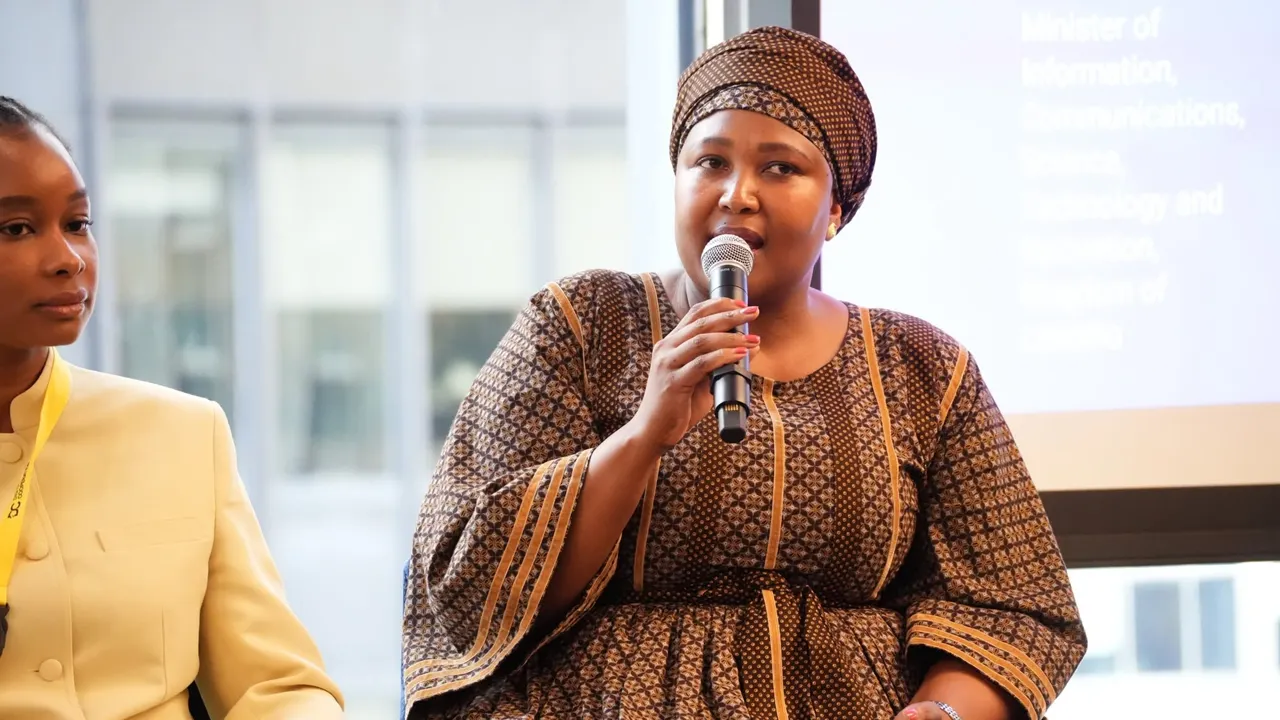
Lesotho has become the first nation to adopt the United Nations Blueprint for National AI and Data Strategies, initiating a National Compute Roadmap spanning 2026 to 2029. This significant announcement was made by Prime Minister Samuel Ntsokoane Matekane at the UN's Digital Cooperation Day in New York, following a foundational workshop in Maseru.
The distinguishing factor of Lesotho's approach is its emphasis on assessing demand before investing in hardware. Unlike many African compute projects, which often announce large data centers before fully understanding needs or constraints, Lesotho's process prioritizes demand assessment, energy considerations, connectivity, data governance, skills, and financing. This methodology aims to ensure infrastructure investments are justified by tangible improvements in citizens' lives.
A key advantage for Lesotho in data center development is its cool highlands and abundant water resources, which offer a natural cooling solution. This is particularly relevant given growing concerns about water consumption by data centers in other African locations, such as South Africa, where projects have faced legal challenges and public scrutiny over water usage.
The UN Blueprint itself is designed for resource-constrained environments, making it well-suited for Lesotho's economy. The workshop benefited from the involvement of various UN bodies and international organizations, alongside insights from countries like Senegal, Ethiopia, and Guinea, sharing their experiences with national AI initiatives. Guinea is slated to be the next country to apply this blueprint.
While specific costs, capacity targets, or deliverables for Phase One (running until 2029) are yet to be published, Lesotho's pioneering, demand-first strategy offers a valuable model for other African nations. It could demonstrate a more sustainable and effective path for developing AI infrastructure, contrasting with approaches that have encountered setbacks due to unaddressed resource constraints.
Source
More in policy

World Bank Advises Sub-Saharan Africa to Focus on 'Small AI' for Local Impact
The World Bank's recent report advises Sub-Saharan Africa to prioritize 'small AI' applications designed for local needs and low-bandwidth environments, rather than focusing on…

South Africa Must Prioritize Job Creation and Skills Development in its AI Strategy, New Report Urges
A new report emphasizes that South Africa must prioritize job creation and skills development in its AI strategy to mitigate high unemployment and leverage AI for economic growth.…
Namibia Launches National AI Institute to Address Identified Gaps in Local Readiness
Namibia has launched a National AI Institute directly structured to address specific gaps identified in its own AI Readiness Assessment, particularly focusing on the severe lack…

Bill Gates Outlines AI's Transformative Potential and Challenges for Africa
Bill Gates discussed how AI can transform African agriculture, health, and education, emphasizing the need for AI tools to be localized with African languages and data. He…
The dispatch
One email a day. The AI stories shaping Africa.
Rewritten for clarity, sourced always. No spam; unsubscribe anytime.