Nigerian President Orders Probe into Tech Giants Over AI Training and Uncompensated News Content

President Bola Tinubu of Nigeria has directed the Federal Competition and Consumer Protection Commission (FCCPC) to launch an investigation into major global technology companies, including Alphabet (Google), Meta, and X, along with several generative AI platforms. This directive follows a collective petition from the Nigerian Press Organisation (NPO), which alleges years of uncompensated use of locally produced journalism by these tech giants.
The core of the complaint centers on issues of market dominance, the alleged unauthorized scraping and commercial exploitation of copyrighted news content for training generative AI models, and the absence of fair commercial agreements between these global platforms and Nigerian publishers. The NPO contends that these practices undermine fair competition and threaten the commercial viability of Nigerian media organizations, infringing on the rights of content creators.
The FCCPC has a history of robust engagement with large multinational companies, having previously imposed a significant penalty on Meta in 2025 for consumer protection and data privacy violations. This background suggests the commission's willingness to pursue complex cases. Furthermore, a parallel campaign by the Socio-Economic Rights and Accountability Project (SERAP) has also raised concerns about algorithmic dominance and data practices involving a broader set of tech companies in Nigeria.
The Nigerian case is particularly notable for its specific inclusion of AI model training as a central issue within a competition regulation framework. This approach differs from many global disputes, which have primarily been addressed through lawsuits or licensing negotiations. The investigation could lead to various outcomes, such as commercial licensing agreements, innovation support programs, transparency commitments, or regulatory penalties.
This presidential directive and the coordinated industry complaint signify a critical moment for the relationship between journalism, digital platforms, and artificial intelligence in Nigeria. The outcomes of this fact-finding inquiry will be closely watched by publishers, technology companies, and policymakers, potentially setting a precedent for how African nations address the economic and ethical implications of AI's use of local content.
Source
More in policy
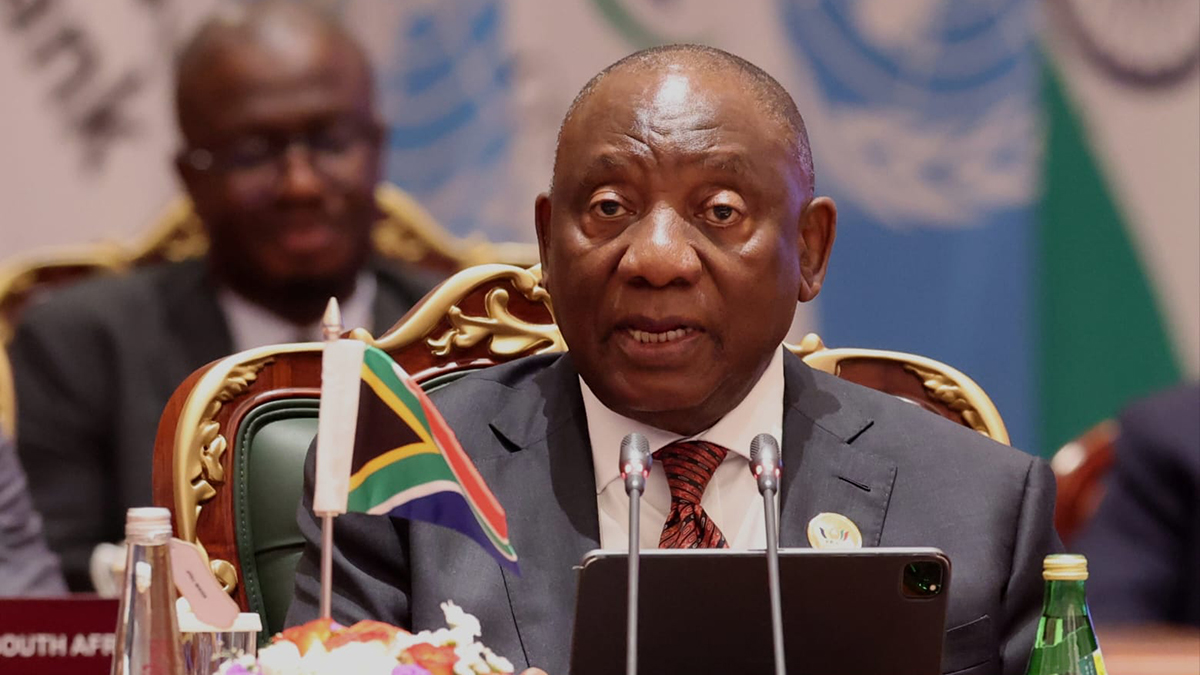
South Africa Leads BRICS Call for Global AI Governance and Independent Evaluation
South Africa, through President Cyril Ramaphosa, is advocating for a robust international framework for AI governance within the BRICS bloc, including independent scientific…
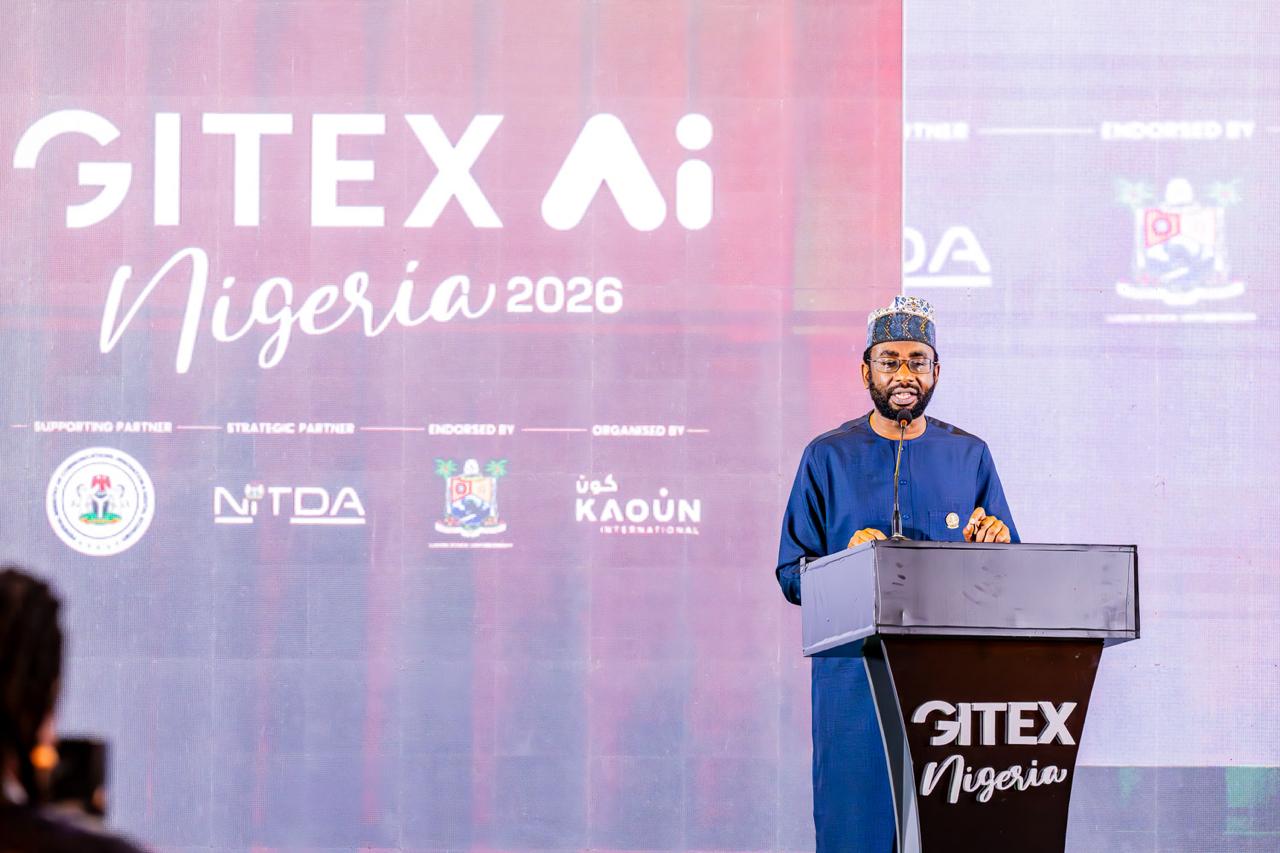
GITEX Nigeria Emphasizes Sovereign AI and Digital Transformation for a $1 Trillion Economy
GITEX Nigeria, a major tech and AI event, has launched in Abuja with a strong focus on advancing the nation's digital transformation and sovereign AI ambitions. Nigerian leaders…

Kenyan Political Operative Used Anthropic's Claude for AI-Generated Election Propaganda
A Kenyan political operative leveraged Anthropic's Claude AI to mass-produce social media propaganda ahead of the 2027 general election, praising government figures and targeting…

Anthropic Uncovers AI-Powered Political Influence Campaign in Kenya
A report by Anthropic details an AI-driven political influence operation in Kenya that used the Claude model to generate social media posts supporting the government and attacking…
The dispatch
One email a day. The AI stories shaping Africa.
Rewritten for clarity, sourced always. No spam; unsubscribe anytime.