Egypt Prioritizes AI and Digital Innovation in National Development Strategy

Egypt's Minister of Communications and Information Technology, Eng. Raafat Hendy, has outlined an ambitious national roadmap for digital transformation, setting targets for expanding digital government services to 450 by 2030. This comprehensive strategy is built upon five core pillars: digital transformation, technology localization and job creation, robust digital infrastructure, digital skills development, and effective legislation and governance. The plan aims to significantly enhance public service delivery, boost business efficiency, and attract further investment into the country's burgeoning ICT sector.
A key focus of Egypt's strategy is the advancement of artificial intelligence. The ministry plans to launch the second iteration of its National Artificial Intelligence Strategy in early 2025. Furthermore, the Applied Innovation Center has already developed "Crank," the country's own large language model. These initiatives are coupled with efforts to integrate AI-powered solutions across critical sectors such as healthcare, agriculture, and education, underscoring a commitment to localizing advanced technologies and fostering high-value digital employment opportunities.
Beyond AI, the strategy emphasizes strengthening Egypt's digital infrastructure through new spectrum allocations for 5G services and expanding fiber-optic networks to numerous villages. Plans are also underway to develop a national data center strategy to bolster digital sovereignty and attract both domestic and international investment. Concurrently, significant resources are being dedicated to cultivating digital talent through various programs, with a future emphasis on specialized skills to meet evolving labor market demands.
The telecommunications and ICT sector in Egypt has demonstrated remarkable growth, recording a 20.3% increase in the third quarter of the last fiscal year. This sector currently contributes approximately 6% to Egypt's GDP, with an ambitious target of reaching 8% by 2030. The government also aims to increase technology exports to US$8 billion by 2028, solidifying Egypt's position as a regional hub for digital innovation.
These strategic directions were positively received by members of the American Chamber of Commerce in Cairo, who expressed their commitment to collaborating with the Egyptian government and private sector. Their support highlights the perceived potential and progress of Egypt's digital agenda, which seeks to enhance digital competitiveness, expand data center investments, and foster an environment conducive to innovation while safeguarding digital sovereignty.
Source
More in policy

South Africa Leads BRICS Call for Global AI Governance and Independent Evaluation
South Africa, through President Cyril Ramaphosa, is advocating for a robust international framework for AI governance within the BRICS bloc, including independent scientific…
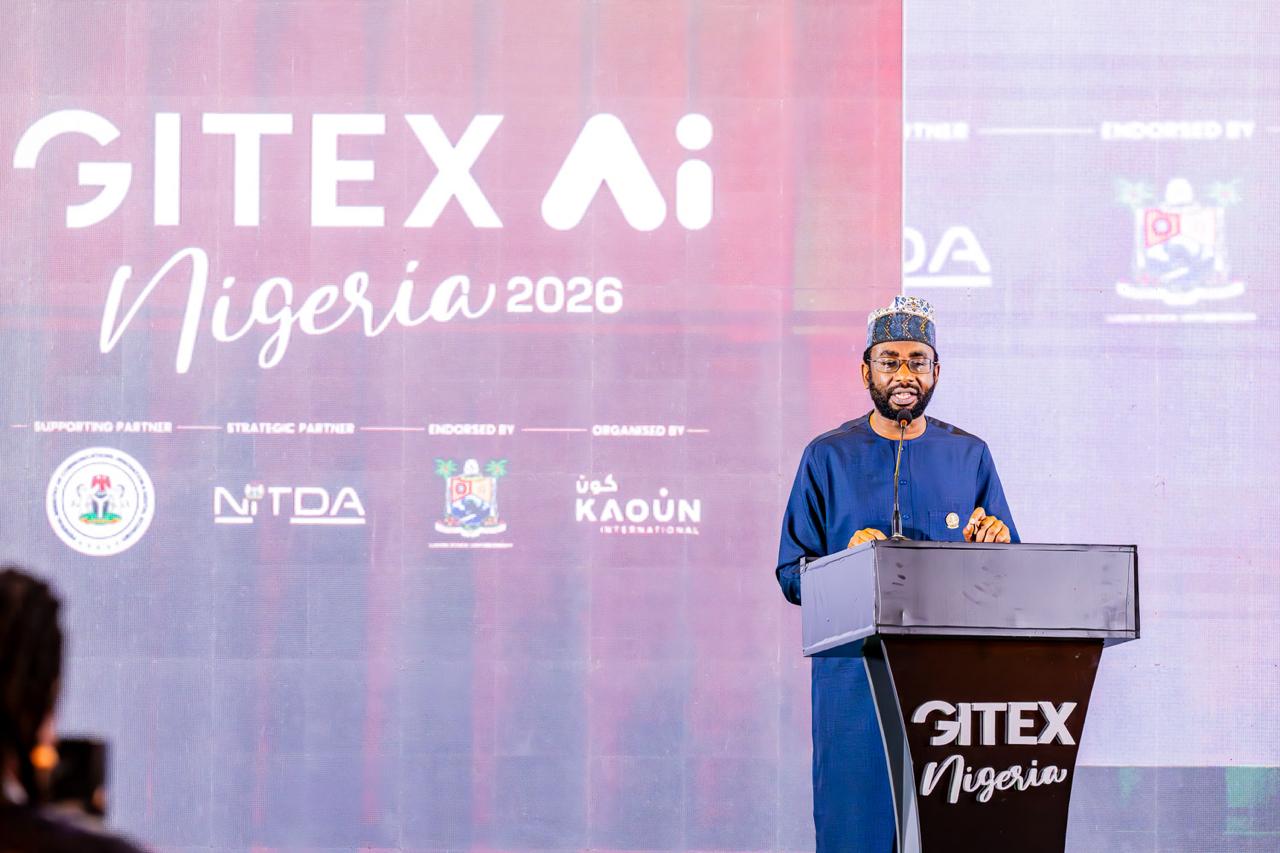
GITEX Nigeria Emphasizes Sovereign AI and Digital Transformation for a $1 Trillion Economy
GITEX Nigeria, a major tech and AI event, has launched in Abuja with a strong focus on advancing the nation's digital transformation and sovereign AI ambitions. Nigerian leaders…

Kenyan Political Operative Used Anthropic's Claude for AI-Generated Election Propaganda
A Kenyan political operative leveraged Anthropic's Claude AI to mass-produce social media propaganda ahead of the 2027 general election, praising government figures and targeting…

Anthropic Uncovers AI-Powered Political Influence Campaign in Kenya
A report by Anthropic details an AI-driven political influence operation in Kenya that used the Claude model to generate social media posts supporting the government and attacking…
The dispatch
One email a day. The AI stories shaping Africa.
Rewritten for clarity, sourced always. No spam; unsubscribe anytime.