African Cities Advocate for Local Benefits and Participation in AI Infrastructure Development
The rapid expansion of data centers and other AI-related infrastructure presents significant opportunities for cities in Africa, with South Africa emerging as a key investment destination due to its connectivity and market size. Cities like Tshwane, South Africa's administrative capital, see this digital infrastructure as a catalyst for innovation, investment, and job creation, supporting their broader economic development goals.
However, this growth also brings challenges, particularly concerning the heavy reliance of data centers on physical infrastructure such as electricity, water, and roads. African cities face the complex task of balancing national economic priorities with their local service delivery obligations. The author highlights a crucial issue: if local communities experience service failures while nearby data centers operate uninterrupted, public trust can erode.
African cities are keen to participate in the AI economy but are wary of repeating past patterns where infrastructure decisions are made externally, leaving local governments to manage the consequences. To address this, the Global Urban Data Centres Pact, signed by over 40 cities including Nairobi and Abidjan, aims to make data centers sustainable, resource-efficient, and beneficial to local communities. This pact ensures that African cities have a voice in shaping global standards and expectations for data center development.
Cities must transition from being passive recipients of decisions to active participants in shaping solutions for global challenges, including digital technologies. While conditions may differ across continents, the fundamental questions remain the same: how to support investment while protecting residents, ensuring community benefits, and fostering partnerships with industry to prevent conflicts. Proactive planning and integration of digital infrastructure into urban development agendas are crucial.
Beyond the construction of data centers, responsible digital infrastructure can spur growth in related sectors like software development, cybersecurity, and tech services, fostering digital skills and advanced manufacturing. The ultimate goal is not merely to host infrastructure but to ensure that these investments translate into meaningful economic participation and shared prosperity for local populations. Cities that actively shape the planning and governance of this infrastructure will be the most successful.
Source
More in policy

South Africa Leads BRICS Call for Global AI Governance and Independent Evaluation
South Africa, through President Cyril Ramaphosa, is advocating for a robust international framework for AI governance within the BRICS bloc, including independent scientific…
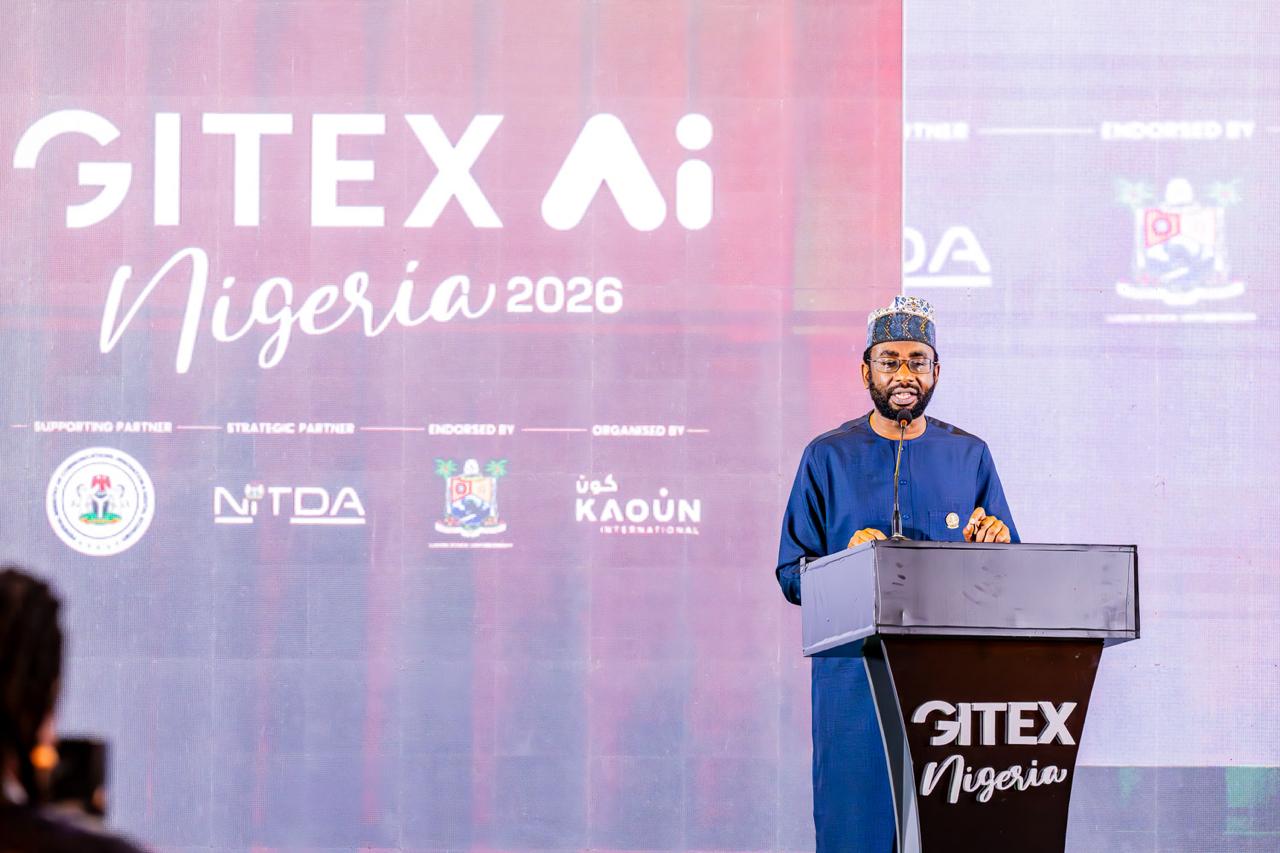
GITEX Nigeria Emphasizes Sovereign AI and Digital Transformation for a $1 Trillion Economy
GITEX Nigeria, a major tech and AI event, has launched in Abuja with a strong focus on advancing the nation's digital transformation and sovereign AI ambitions. Nigerian leaders…

Kenyan Political Operative Used Anthropic's Claude for AI-Generated Election Propaganda
A Kenyan political operative leveraged Anthropic's Claude AI to mass-produce social media propaganda ahead of the 2027 general election, praising government figures and targeting…

Anthropic Uncovers AI-Powered Political Influence Campaign in Kenya
A report by Anthropic details an AI-driven political influence operation in Kenya that used the Claude model to generate social media posts supporting the government and attacking…
The dispatch
One email a day. The AI stories shaping Africa.
Rewritten for clarity, sourced always. No spam; unsubscribe anytime.