Africa's AI Sovereignty: Beyond Policy to Practical Local Operations

The debate around digital sovereignty in Africa has evolved from merely acknowledging the need for control over data and AI systems in critical sectors like healthcare, to identifying the practical means of achieving this control. A recent paper in the Journal of Global Health Economics and Policy highlighted that data localization is insufficient for genuine diagnostic sovereignty, which instead requires the ability to audit, inspect, and govern AI systems within national jurisdictions.
Hans van Linschoten responds to this, asserting that sovereignty is fundamentally an operational challenge, not just a regulatory one. He argues that while policies can demand local control, these aspirations remain unfulfilled without locally owned cloud operators capable of running secure, auditable AI platforms. He references a multi-case study of four African health technology firms—Helium Health, Ubenwa, Neural Labs Africa, and Envisionit Deep AI—in Nigeria, Kenya, and South Africa, which revealed infrastructural lock-in to hyperscale cloud providers, data sovereignty deficits, and governance asymmetry where technical control resides outside African jurisdictions.
Van Linschoten proposes a hybrid approach, drawing on the AfriQloud model, rather than a full replacement of hyperscalers. He suggests that the crucial elements requiring local jurisdiction are raw identifiable clinical data, governed training datasets, model weights, audit logs, and update histories. These can be managed by a "sovereign add-on"—a locally licensed operator running a minimum viable server node within the jurisdiction, interconnected with global capacity for other functions. This model aims to provide the necessary auditability and control at a cost manageable by African health systems, contrasting with the high market density requirements of hyperscale regions.
This approach emphasizes that the goal is not to match hyperscale providers across the board, but to achieve parity in the specific functionalities required for clinical governance, such as data residency, auditability, and local control over models. The AfriQloud model, with its country operating companies and small deployment units, is presented as a realistic solution for African countries to achieve practical digital sovereignty in AI, particularly for sensitive applications like health diagnostics, without requiring massive sovereign wealth investments.
Source
More in policy
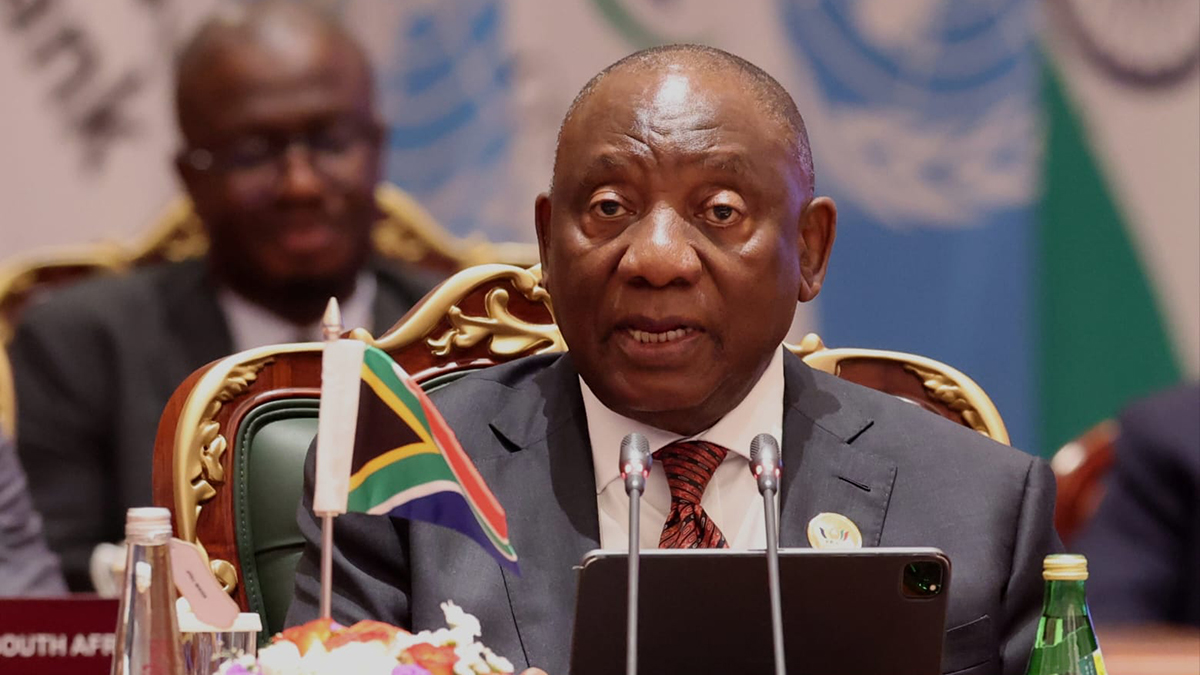
South Africa Leads BRICS Call for Global AI Governance and Independent Evaluation
South Africa, through President Cyril Ramaphosa, is advocating for a robust international framework for AI governance within the BRICS bloc, including independent scientific…
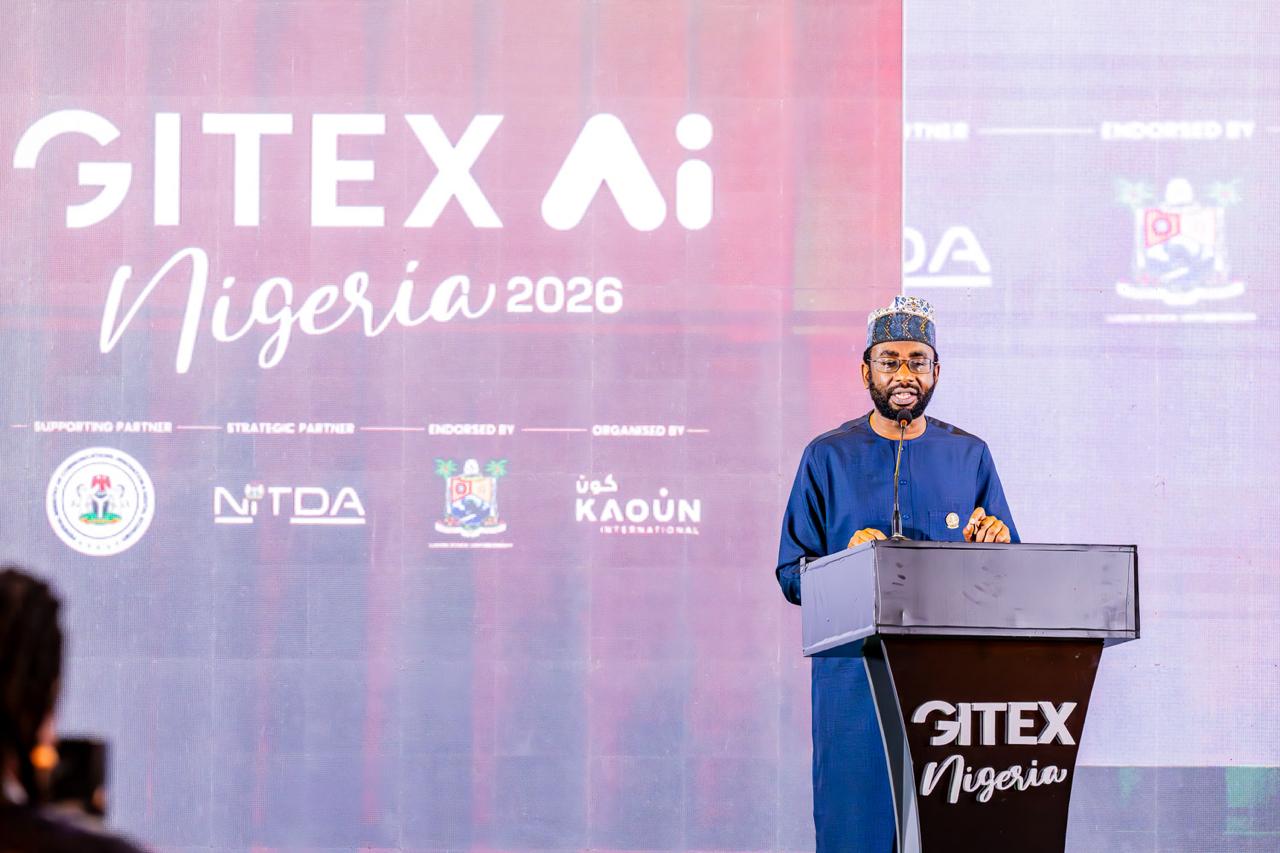
GITEX Nigeria Emphasizes Sovereign AI and Digital Transformation for a $1 Trillion Economy
GITEX Nigeria, a major tech and AI event, has launched in Abuja with a strong focus on advancing the nation's digital transformation and sovereign AI ambitions. Nigerian leaders…

Kenyan Political Operative Used Anthropic's Claude for AI-Generated Election Propaganda
A Kenyan political operative leveraged Anthropic's Claude AI to mass-produce social media propaganda ahead of the 2027 general election, praising government figures and targeting…

Anthropic Uncovers AI-Powered Political Influence Campaign in Kenya
A report by Anthropic details an AI-driven political influence operation in Kenya that used the Claude model to generate social media posts supporting the government and attacking…
The dispatch
One email a day. The AI stories shaping Africa.
Rewritten for clarity, sourced always. No spam; unsubscribe anytime.