Johannesburg Summit Addresses AI's Role in Public Trust, Deepfakes, and Digital Access for African Governance
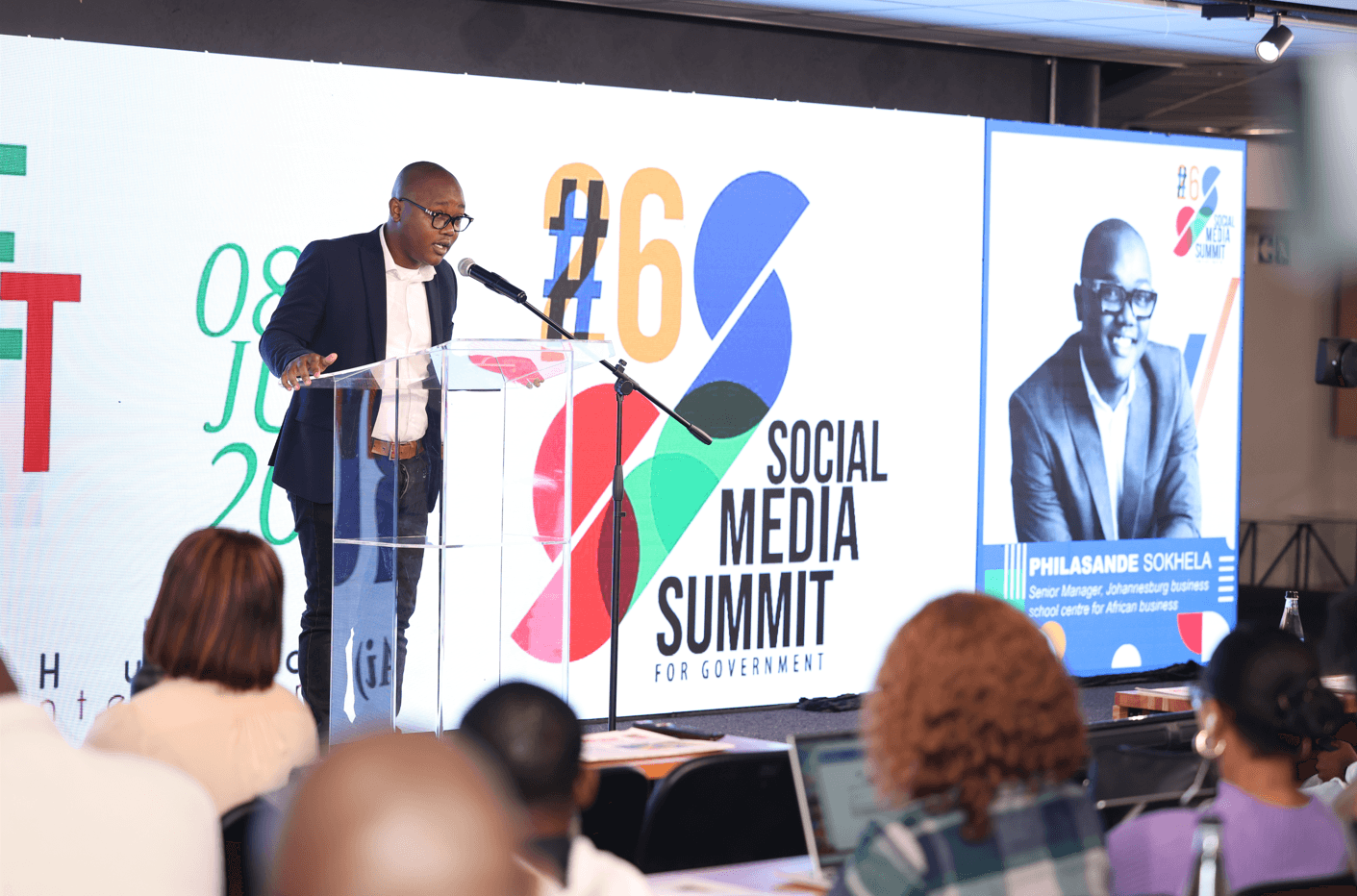
The University of Johannesburg recently hosted the fourth Social Media Summit for Government, a two-day event organized by pan-African advisory Decode and the Johannesburg Business School. Under the theme "Artificial Intelligence + Human Intelligence," the summit brought together government communicators, policymakers, and digital leaders to explore the profound implications of AI for citizen engagement and public-sector communication across Africa.
South Africa's Communications and Digital Technologies Minister, Solly Malatsi, delivered the keynote address, advocating for a digital state built on accessibility rather than forcing citizens to adapt to complex systems. He emphasized the need for a "one trusted point of entry" into public services, supported by digital identity and secure transactions. Malatsi also highlighted the challenges faced by South Africans lacking data or communication infrastructure, urging technology companies to ensure responsible self-regulation and partnerships to bridge the digital divide.
Dr. Caroline Azionya, president-elect of the Public Relations Institute of Southern Africa, issued a stark warning about the "weaponization" of communication through AI-generated synthetic media, or deepfakes. She pointed to the accessibility of large language models and the difficulty in detecting fake content, stressing the critical need for human oversight, professional accreditation, and government accountability. Dr. Azionya also previewed the upcoming "Africa Declaration on ethical communication," set to be formally launched soon.
The summit largely framed AI as a powerful tool rather than an inherent threat. Philasande Sokhela of the JBS Centre for African Business challenged attendees to consider Africa's strategic position in the global AI economy, asking whether the continent would be a "mine, a market, or a maker." Discussions also showcased practical applications, such as the WireCar Philipstown Foundation's use of AI to uplift a local community in South Africa through creative projects.
Further sessions explored the intersection of social behavior and AI, the role of human judgment in AI applications, and AI's potential for the public sector. The event underscored the importance of collaboration and ethical decision-making in deploying AI, concluding with an announcement for the inaugural Social Media for Government Awards in 2027, reinforcing a commitment to responsible digital evolution across the continent.
Source
More in policy
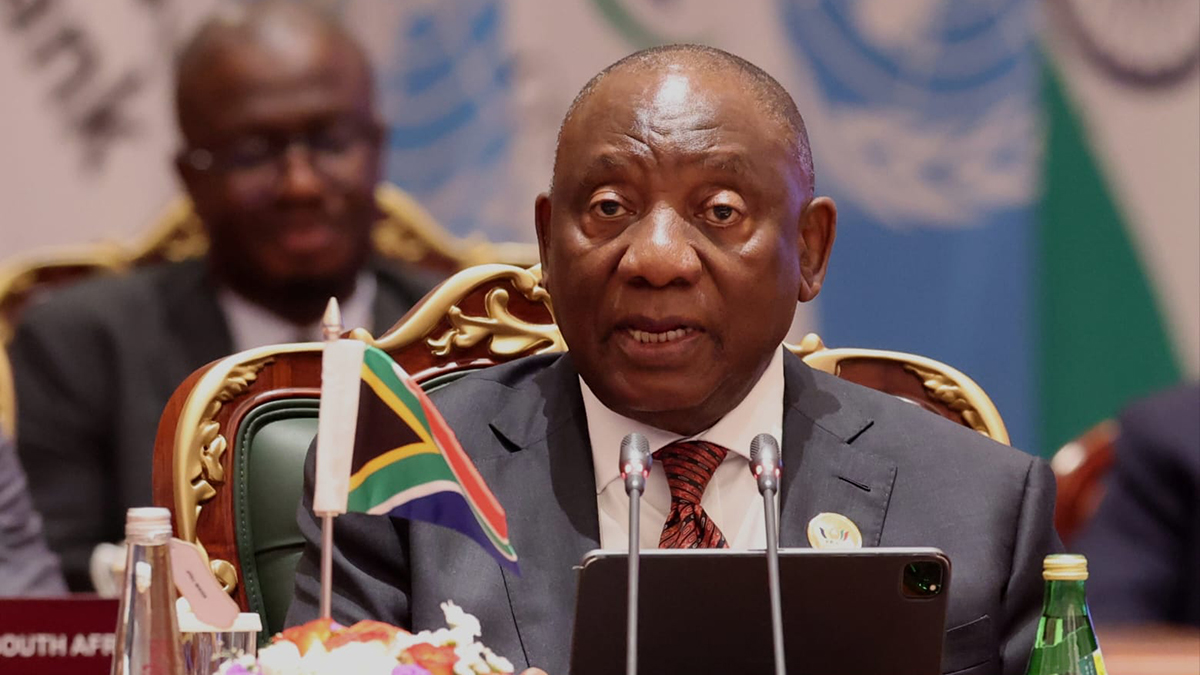
South Africa Leads BRICS Call for Global AI Governance and Independent Evaluation
South Africa, through President Cyril Ramaphosa, is advocating for a robust international framework for AI governance within the BRICS bloc, including independent scientific…
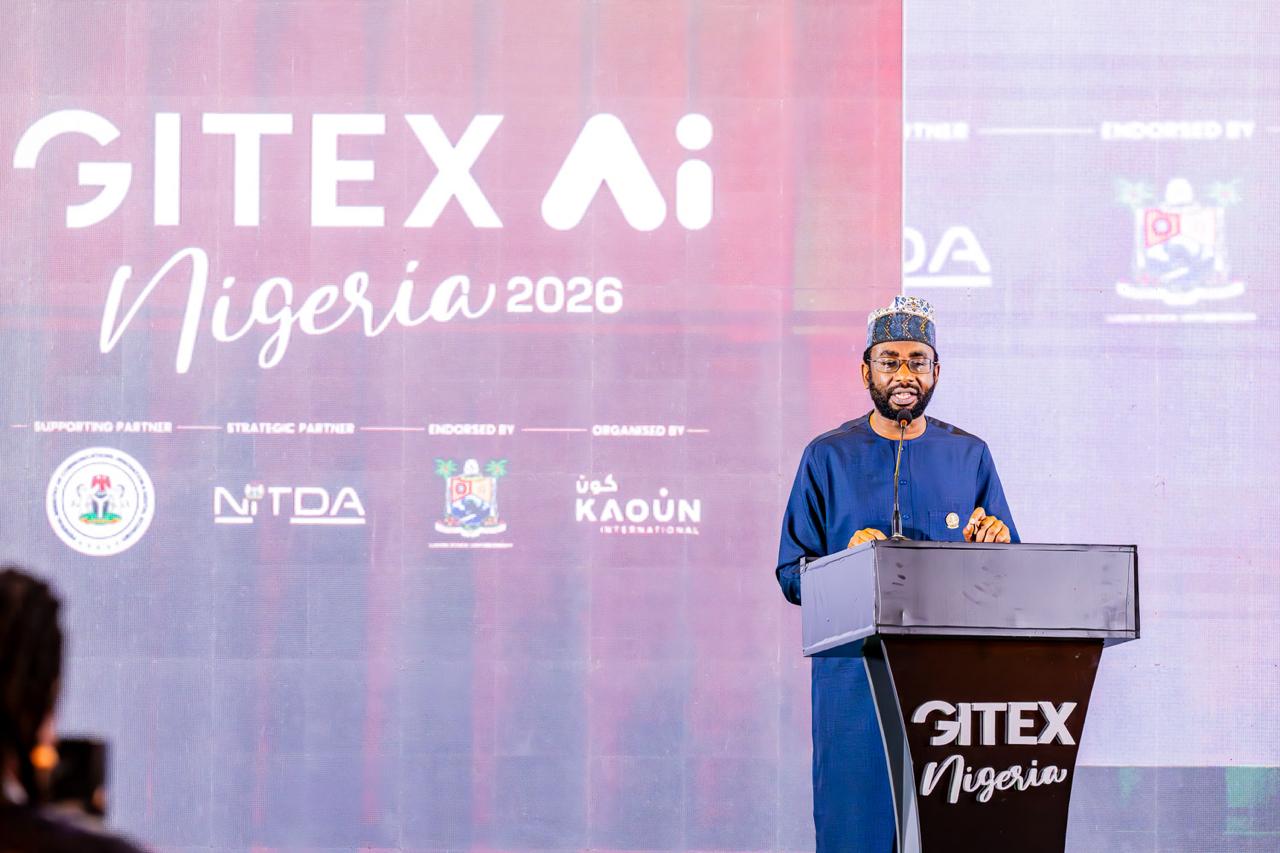
GITEX Nigeria Emphasizes Sovereign AI and Digital Transformation for a $1 Trillion Economy
GITEX Nigeria, a major tech and AI event, has launched in Abuja with a strong focus on advancing the nation's digital transformation and sovereign AI ambitions. Nigerian leaders…

Kenyan Political Operative Used Anthropic's Claude for AI-Generated Election Propaganda
A Kenyan political operative leveraged Anthropic's Claude AI to mass-produce social media propaganda ahead of the 2027 general election, praising government figures and targeting…

Anthropic Uncovers AI-Powered Political Influence Campaign in Kenya
A report by Anthropic details an AI-driven political influence operation in Kenya that used the Claude model to generate social media posts supporting the government and attacking…
The dispatch
One email a day. The AI stories shaping Africa.
Rewritten for clarity, sourced always. No spam; unsubscribe anytime.