African AI Sovereignty: Building Local Models and Talent Pipelines for Data Control
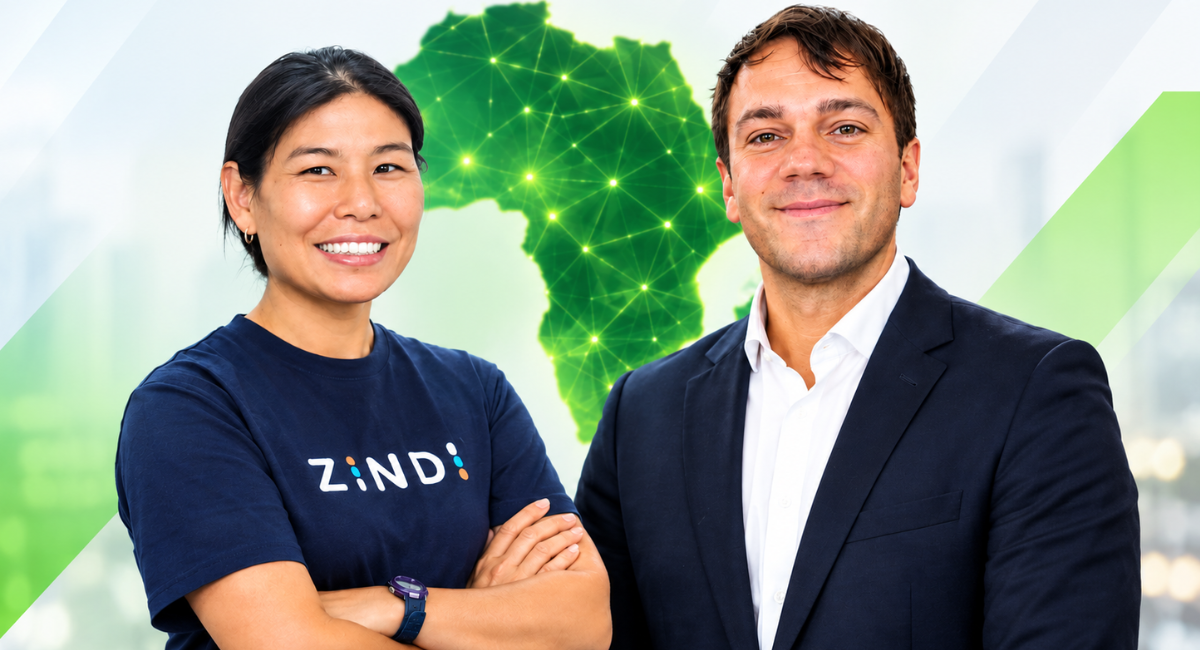
This article explores the critical need for African nations to reclaim their AI sovereignty, focusing on data control and the development of indigenous talent. It highlights the dangers of African enterprises and governments relying on foreign-controlled public AI models, which can lead to a loss of national data sovereignty due to extraterritorial laws like the US PATRIOT Act, FISA Section 702, and the CLOUD Act. The discussion emphasizes that AI's ability to digest massive volumes of information creates significant security vulnerabilities when this data is processed by global hyperscalers without local oversight.
The proposed solution involves establishing architectural independence through the deployment of local large language models (LLMs) on-premises or within regional, sovereign clouds. The article points out the availability of millions of open-source models that can be customized by nations to build their own secure systems. HCLSoftware is presented as a company offering frameworks that enable clients to achieve a completely sovereign architectural setup, giving them control over their data and infrastructure.
Beyond infrastructure, the piece stresses the importance of human capital in building a sustainable AI ecosystem. Celina Lee, CEO of Zindi, discusses how her platform addresses the talent gap by connecting over 120,000 African AI developers with organizations seeking data science solutions. Zindi's competitive marketplace allows developers to build verifiable portfolios, significantly increasing their employment prospects, with internal data showing an 80% job placement rate for active participants in Kenya.
The article also highlights Nigeria's proactive efforts in domesticating AI technology, including the launch of N-ATLAS V1, the country's first open-source, multilingual, and multimodal LLM designed for low-resource Nigerian languages. This initiative, along with Zindi's success stories in Nigeria, demonstrates the tangible progress being made in fostering local AI capabilities and creating socioeconomic impact across the continent. The overarching message is a call for deliberate action to secure Africa's digital future through self-reliance in AI.
Source
More in policy
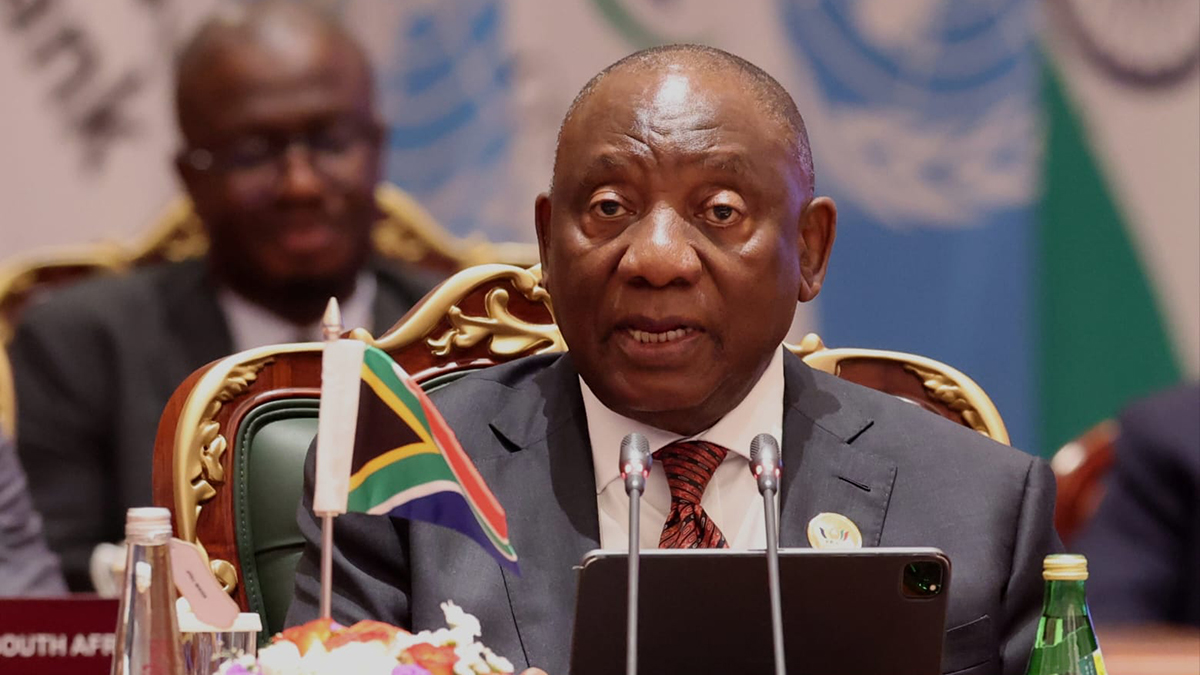
South Africa Leads BRICS Call for Global AI Governance and Independent Evaluation
South Africa, through President Cyril Ramaphosa, is advocating for a robust international framework for AI governance within the BRICS bloc, including independent scientific…
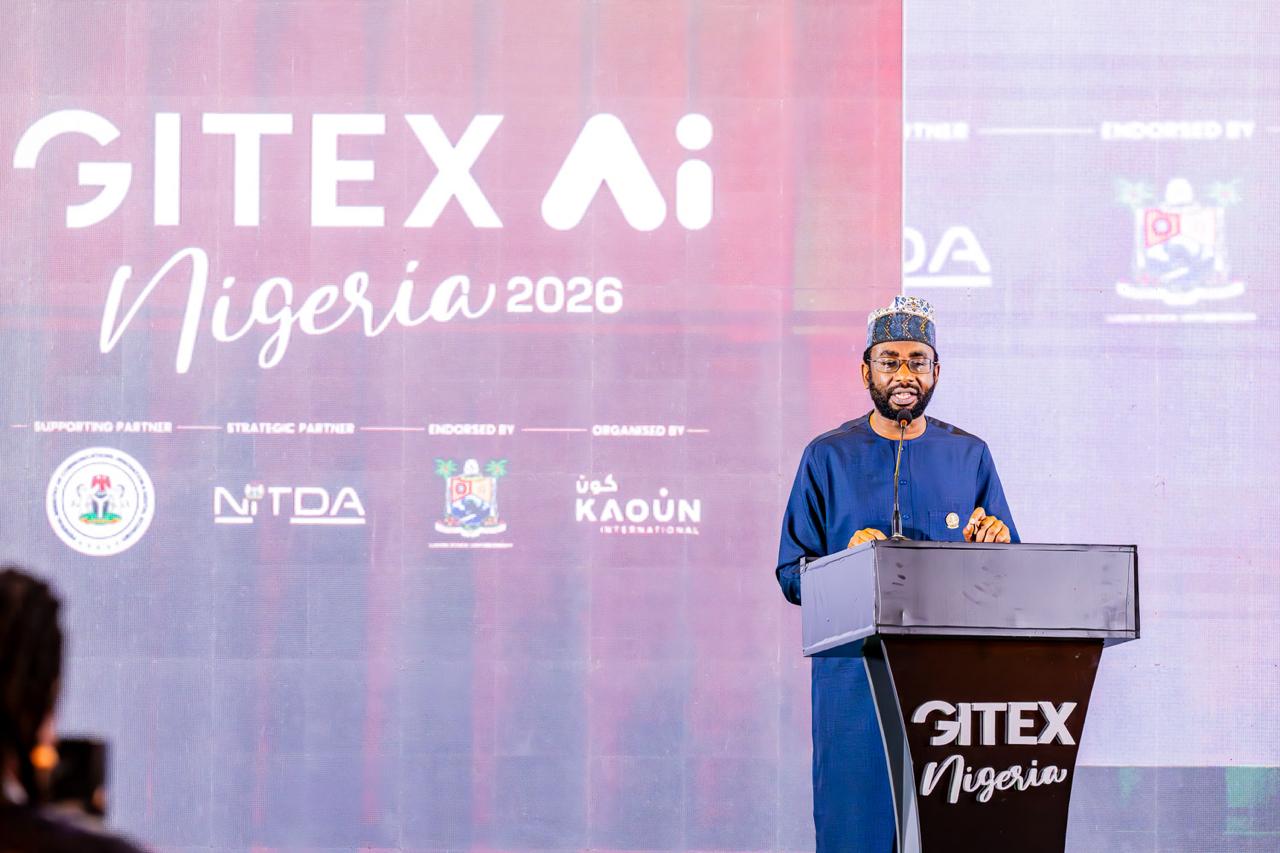
GITEX Nigeria Emphasizes Sovereign AI and Digital Transformation for a $1 Trillion Economy
GITEX Nigeria, a major tech and AI event, has launched in Abuja with a strong focus on advancing the nation's digital transformation and sovereign AI ambitions. Nigerian leaders…

Kenyan Political Operative Used Anthropic's Claude for AI-Generated Election Propaganda
A Kenyan political operative leveraged Anthropic's Claude AI to mass-produce social media propaganda ahead of the 2027 general election, praising government figures and targeting…

Anthropic Uncovers AI-Powered Political Influence Campaign in Kenya
A report by Anthropic details an AI-driven political influence operation in Kenya that used the Claude model to generate social media posts supporting the government and attacking…
The dispatch
One email a day. The AI stories shaping Africa.
Rewritten for clarity, sourced always. No spam; unsubscribe anytime.