South Africa Partners with Big Tech to Combat AI Deepfakes in Upcoming Elections

South Africa's Electoral Commission (IEC) has announced a significant partnership with major technology companies, including Google, Meta, Microsoft, and TikTok, along with the non-profit Moxii Africa. This collaboration aims to combat the spread of disinformation and AI-generated deepfakes ahead of the November 4 local government elections. The move comes as the commission has already received over 700 complaints regarding election-related disinformation, some involving AI-manipulated images on platforms like X (formerly Twitter).
The partnership builds upon a framework established for previous national elections, where tech platforms apply their own content policies, including labels, removals, and account suspensions. Additionally, a joint working group, public awareness campaigns, and training for political parties will be implemented. Notably, X is not listed among the partners, despite being a source of some complaints. The agreement does not mandate platforms to share confidential user data or specify takedown response times.
In parallel, South Africa has gazetted a new Electoral Code of Conduct Countering Disinformation, effective since September 4. This code legally requires political parties, candidates, and their representatives to label all AI-generated or synthetic audio, images, video, and text before distribution. It also mandates reporting suspected online disinformation within 36 hours, correcting false material, and publicly condemning those responsible. Breaches of this code carry severe penalties, including fines, imprisonment, and even deregistration of parties or candidates.
The initiative is particularly significant given the broader regulatory landscape in South Africa, which currently lacks dedicated AI or deepfake legislation. Existing laws like the Electoral Act and Cybercrimes Act offer some protection, but a legal analysis highlighted gaps in platform accountability and the absence of watermarking requirements for AI content. This South African model, combining a binding code for political actors with voluntary platform cooperation, offers a crucial case study for other African regulators grappling with the challenges of AI in elections, especially as generative AI can facilitate highly localized deception.
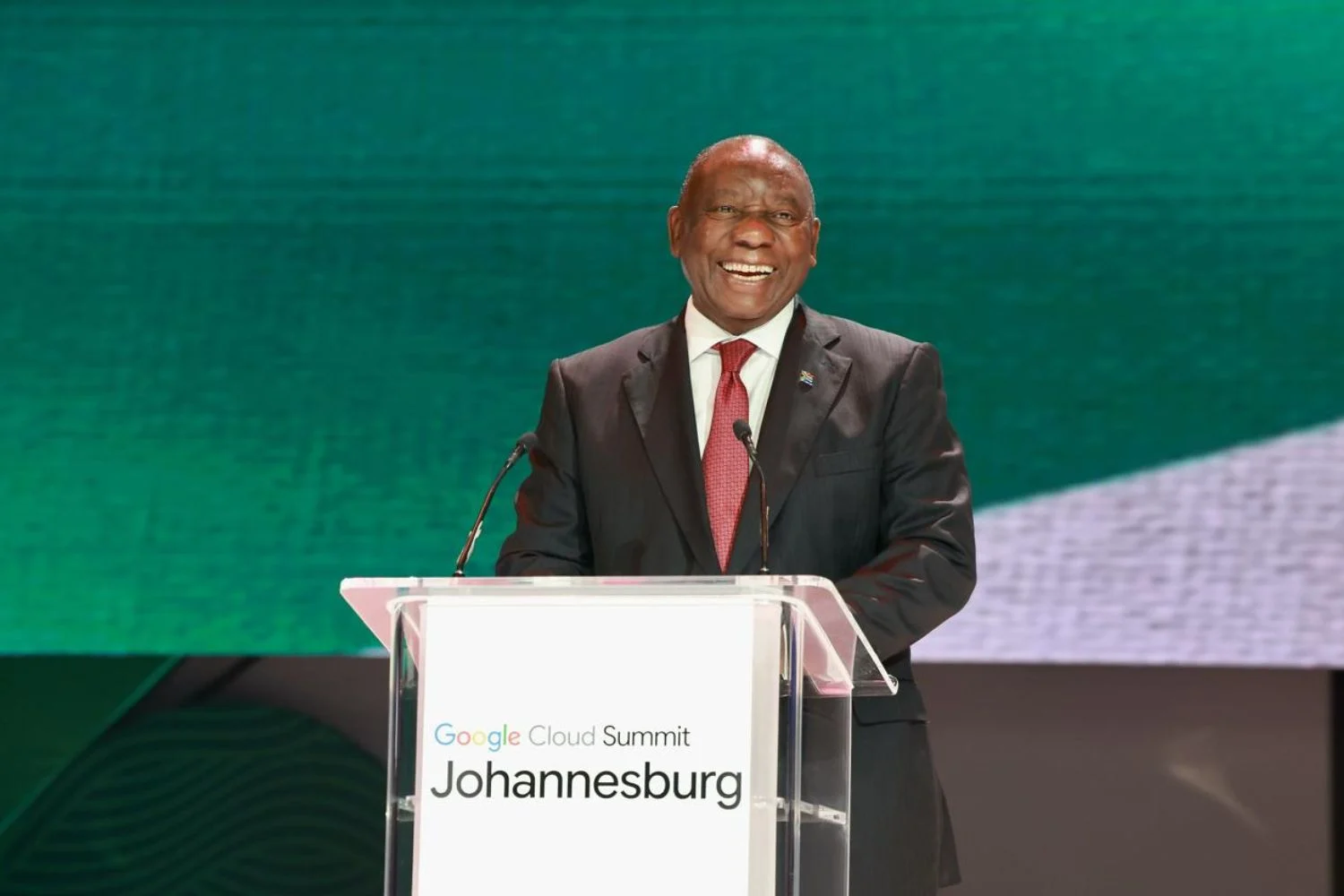
President Cyril Ramaphosa has also voiced concerns about the potential for AI to create convincing fake images and audio, citing personal experiences with fabricated content. He plans to discuss these issues with technology companies in Silicon Valley after the elections, emphasizing the need to address the damage caused by AI-driven disinformation. The upcoming elections will serve as a critical test for the effectiveness of this multi-faceted approach.
Source
More in policy
World Bank Report Outlines Africa's Path to AI Readiness, Emphasizing Foundational Infrastructure
A World Bank report, "Building AI Readiness," underscores that Africa's AI future is contingent on foundational elements like reliable electricity, connectivity, and local data.…

African Languages Lag in AI Safety Preparedness, New Report Reveals
A new report assesses the readiness of African languages for inclusion in AI safety discussions, identifying significant disparities in data and policy support. This…
South African President Ramaphosa to Lead AI Delegation to Silicon Valley
South African President Cyril Ramaphosa plans to lead a delegation to Silicon Valley to explore AI's potential benefits for the country. This initiative aims to understand how AI…
AfDB and UNDP Accelerate $10 Billion AI Initiative for African Development
The African Development Bank and UNDP are moving their $10 billion AI initiative into delivery, aiming to coordinate significant financing to create 25 million jobs across Africa…
The dispatch
One email a day. The AI stories shaping Africa.
Rewritten for clarity, sourced always. No spam; unsubscribe anytime.