Nigeria's Digital Ambition: Building Infrastructure and AI Talent for a Tech-Driven Economy

Nigeria is undergoing an unprecedented digital transformation, driven by the Federal Ministry of Communications, Innovation, and Digital Economy. This national effort aims to bridge the digital divide and foster a robust technology ecosystem, positioning the country as a technological powerhouse on the global stage. The palpable energy surrounding these initiatives signals a rapid shift towards a digitally empowered future for the West African nation.
Central to this transformation is Project BRIDGE, a strategic initiative designed to significantly enhance internet connectivity across Nigeria. With over half the population currently offline despite a massive mobile market, Project BRIDGE plans to deploy nearly 120,000km of fiber-optic cables nationwide. This ambitious $2 billion infrastructure project, largely funded externally, is seen as a crucial first step to increase internet penetration, stimulate job creation, and incentivize local manufacturing of related components.
Complementing the infrastructure push is the 3 Million Technical Talent (3MTT) program, which leverages Nigeria's vast youth population—over 50% under 30. This multi-phase program aims to upskill young Nigerians in critical areas such as AI/ML, cloud computing, and UI/UX design. The goal is not only to meet the demands of Nigeria's own digital journey but also to establish the country as a net exporter of skilled tech talent.
This concerted effort is expected to profoundly reshape Nigeria's labor force by 2030, shifting reliance from traditional agriculture and service sectors towards a technology-driven economy. While governments spearhead these initiatives, successful implementation hinges on robust partnerships with capable software providers to manage critical digital infrastructure, protect data, and inform strategic decisions.
Ultimately, Nigeria's digital transformation, with its dual focus on foundational infrastructure and advanced AI/ML talent development, represents a significant stride towards economic diversification and global competitiveness, promising a digitally advanced future for its citizens.
Source
More in policy

Kenyan Counties Urged to Implement 'Decision-Recovery Drills' for AI Public Services
Kenyan counties should implement 'decision-recovery drills' for AI-powered public services to ensure staff can correct AI errors and provide accurate information to citizens. This…

Togo Pioneers AI Initiative to Digitize Indigenous Languages for Public Services
Togo has launched a pioneering national AI initiative, "Voix du Togo," to digitize its local languages, including Ewe, Kabiyè, and Moba. This program aims to build AI tools that…

Uganda Lays Data Foundation for Future National AI Strategy
Uganda has launched a five-year National Data Strategy, explicitly stating it is foundational for the country's forthcoming National AI Strategy. This move aims to improve data…
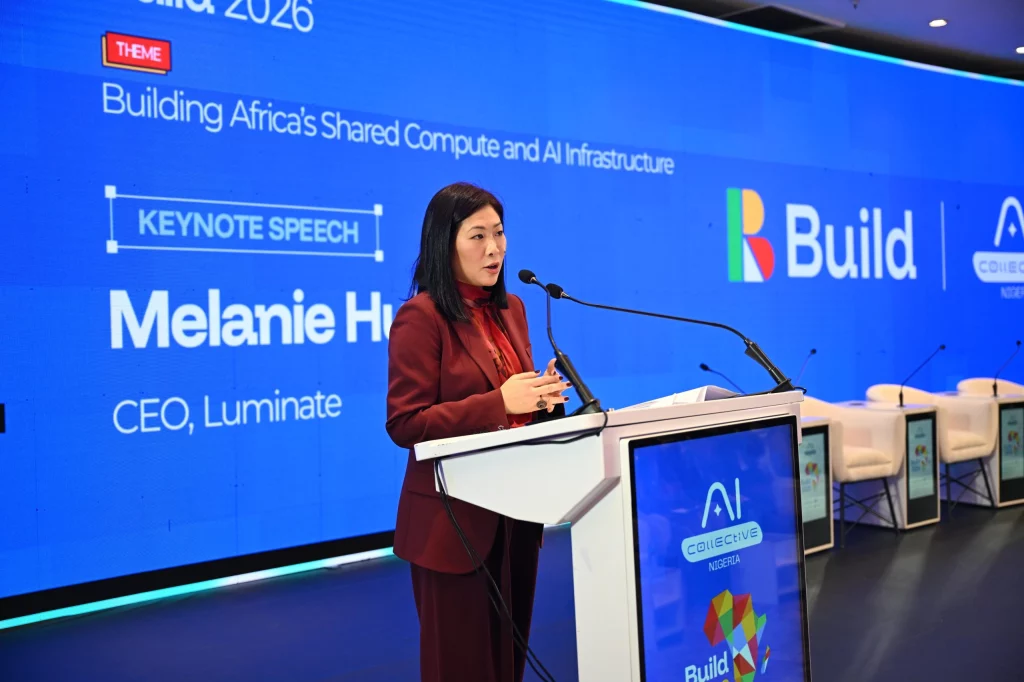
Luminate CEO Urges African Nations to Seize Control of Their Digital Future to Avoid AI Exploitation
Luminate CEO Melanie Hui warned African nations at the Build 2026 Conference in Abuja that they risk exploitation in the global AI economy if they do not secure genuine ownership…
The dispatch
One email a day. The AI stories shaping Africa.
Rewritten for clarity, sourced always. No spam; unsubscribe anytime.