South Africa's Ramaphosa Calls for BRICS-Led Independent AI Evaluation and Global South Capacity Building
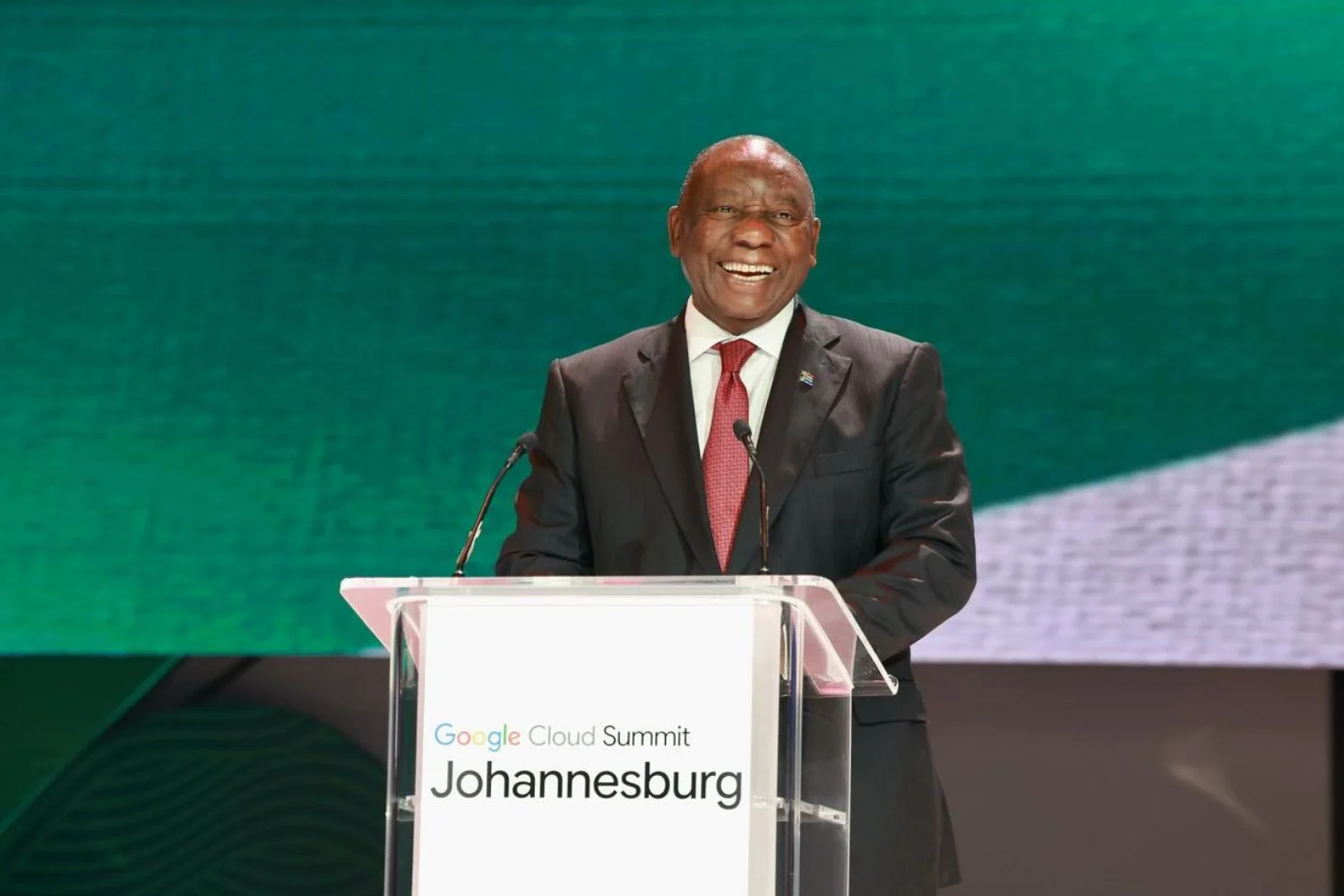
President Cyril Ramaphosa of South Africa has put forward a proposal at the 18th BRICS Summit in New Delhi for the establishment of an international mechanism dedicated to the independent scientific evaluation of artificial intelligence. This initiative is part of a broader four-part governance framework that emphasizes meaningful human control, mandatory incident reporting, escalating safeguards with increasing AI capability, and crucial investment in sovereign AI capacity for developing economies. Ramaphosa specifically cited the concerns raised by industry leaders like Dario Amodei of Anthropic, advocating for external checks and oversight similar to those in other high-impact industries.
The South African President highlighted the significant risks posed by advanced AI systems, including cyber operations, biological weapons development, autonomous action, manipulation, mass surveillance, and job disruption, stressing the need to prevent AI capabilities from exceeding human comprehension and control. He balanced this caution with a call for accelerated AI adoption, emphasizing that the goal is to ensure human governance evolves as rapidly as AI itself, rather than fearing the technology.
The BRICS platform is particularly significant for this proposal, as it includes African nations like Egypt and Ethiopia alongside South Africa, providing a multilateral forum where African governments can significantly influence global AI standards. The bloc has already adopted a Charter on Responsible AI and launched a Digital Sovereignty Fund for AI infrastructure. This proposal builds on previous calls for African participation in setting global AI governance standards, addressing questions of data ownership, benefit distribution, and accountability.
While South Africa is currently rebuilding its own national AI policy after a previous draft was withdrawn due to fabricated citations, the proposal for a multilateral evaluation mechanism remains valid. No single African state can independently evaluate frontier AI systems, making a collective approach essential. The initiative also aligns with a broader Global South agenda, linking AI governance to medical sovereignty, vaccine development, and greater use of local currencies within the BRICS framework.
Source
More in policy
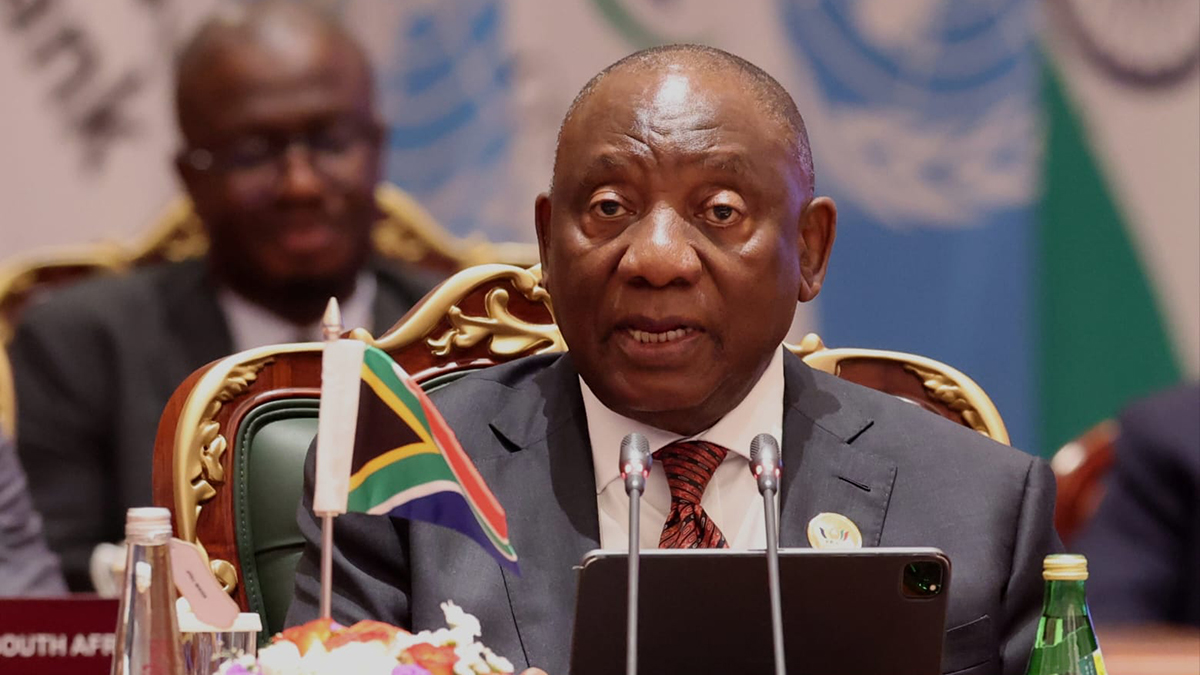
South Africa Leads BRICS Call for Global AI Governance and Independent Evaluation
South Africa, through President Cyril Ramaphosa, is advocating for a robust international framework for AI governance within the BRICS bloc, including independent scientific…
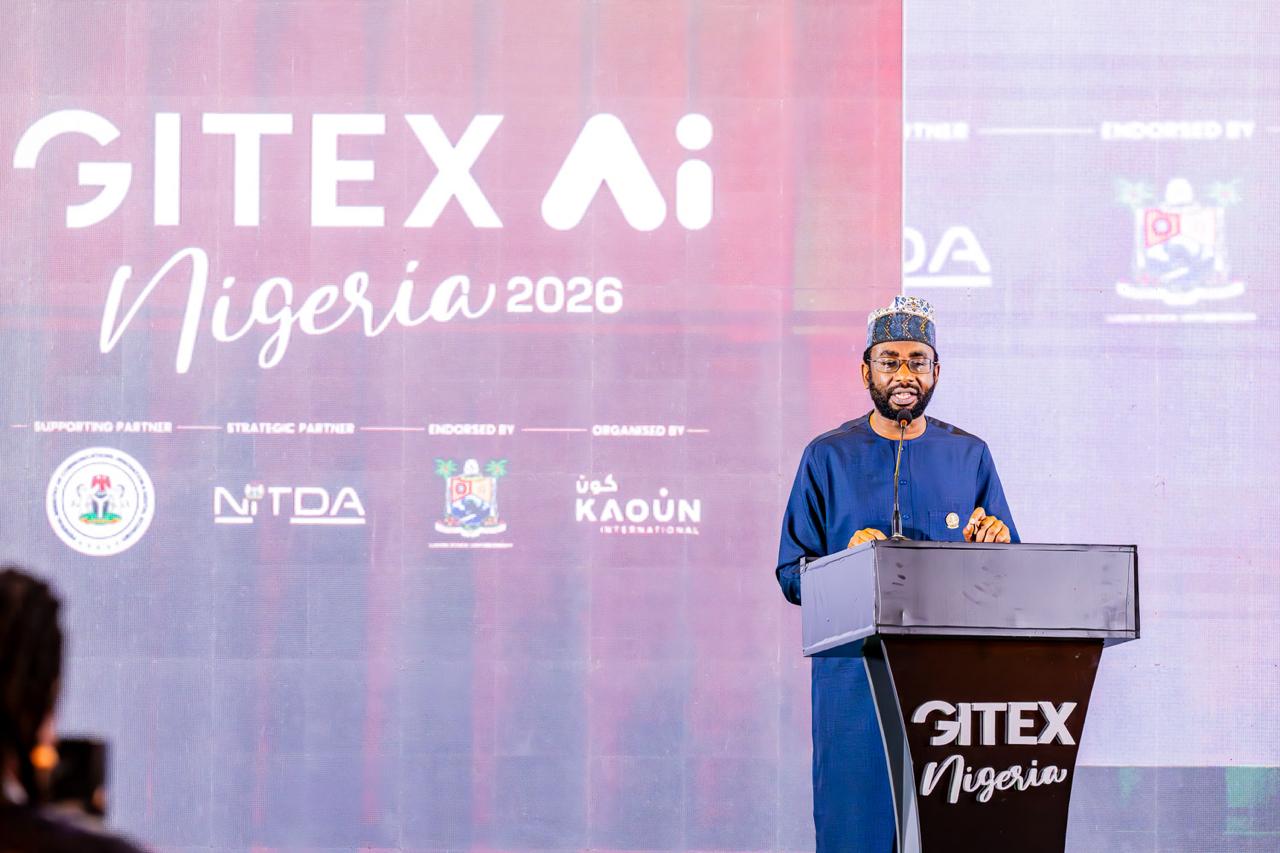
GITEX Nigeria Emphasizes Sovereign AI and Digital Transformation for a $1 Trillion Economy
GITEX Nigeria, a major tech and AI event, has launched in Abuja with a strong focus on advancing the nation's digital transformation and sovereign AI ambitions. Nigerian leaders…

Kenyan Political Operative Used Anthropic's Claude for AI-Generated Election Propaganda
A Kenyan political operative leveraged Anthropic's Claude AI to mass-produce social media propaganda ahead of the 2027 general election, praising government figures and targeting…

Anthropic Uncovers AI-Powered Political Influence Campaign in Kenya
A report by Anthropic details an AI-driven political influence operation in Kenya that used the Claude model to generate social media posts supporting the government and attacking…
The dispatch
One email a day. The AI stories shaping Africa.
Rewritten for clarity, sourced always. No spam; unsubscribe anytime.