Nigerian Startup Intron Launches Enhanced Voice AI for African Multilingualism

Intron, a Lagos-based voice AI company, has released Sahara v2.5, an update to its speech models designed to handle code-switching—the natural mixing of languages within sentences—common in African communication. This new version supports code-switching across a dozen African languages, including Zulu, Hausa, Swahili, and Luganda, addressing a major limitation of global AI models often trained on monolingual datasets.
A key feature of Sahara v2.5 is a trilingual model for Kinyarwanda, English, and French, which Intron claims is an African-language AI first and is seeking U.S. patent protection for. The company's internal benchmarks suggest Sahara outperforms major global AI models like Gemini, ElevenLabs, and Meta in code-switching scenarios, although these claims lack independent verification. A separate evaluation for the Gates Foundation and CLEAR Global also reportedly showed Sahara leading in several Nigerian languages.
Intron highlights several real-world deployments to demonstrate the system's effectiveness. In Nigeria's Ogun State, the judiciary uses Sahara for courtroom transcription, reportedly halving hearing times. Digital lender Branch International saw significant recovery of delinquent loans using Sahara-powered collection agents. In Nairobi, the system is said to transform doctor visits into structured clinical notes rapidly. The update also expands speech recognition to seven more African languages, bringing total coverage to 31, and introduces streaming transcription and text-to-speech capabilities.
The company has also focused on offline models for regions with unreliable internet, deploying them in clinics in Port Harcourt. Intron has grown significantly since its 2024 pre-seed funding, now boasting over 150,000 hours of audio data and more than 40 enterprise customers across six African countries. This development underscores the critical need for AI solutions tailored to the unique linguistic realities of Africa, rather than relying on systems developed for Western contexts.
Source
More in tools
Viamo Launches Offline AI Voice Platform in Ghana to Bridge Digital Divide
Viamo has launched the 231 Voice Platform in Ghana, offering offline AI access via toll-free phone calls to millions without smartphones or internet. This initiative uses basic…
Tether AI Unveils Offline Translation Models for 19 African Languages, Benchmarked by Peer Review
Tether AI Research has released open-source, offline translation models for 19 African languages, designed to run on basic smartphones without internet access. This addresses…

New Offline AI Diagnostic Tool Promises to Transform Healthcare in Rural Sub-Saharan Africa
Aletheia is an offline-first AI clinical decision support system specifically designed for low-resource healthcare settings in sub-Saharan Africa. It was fine-tuned on a dataset…
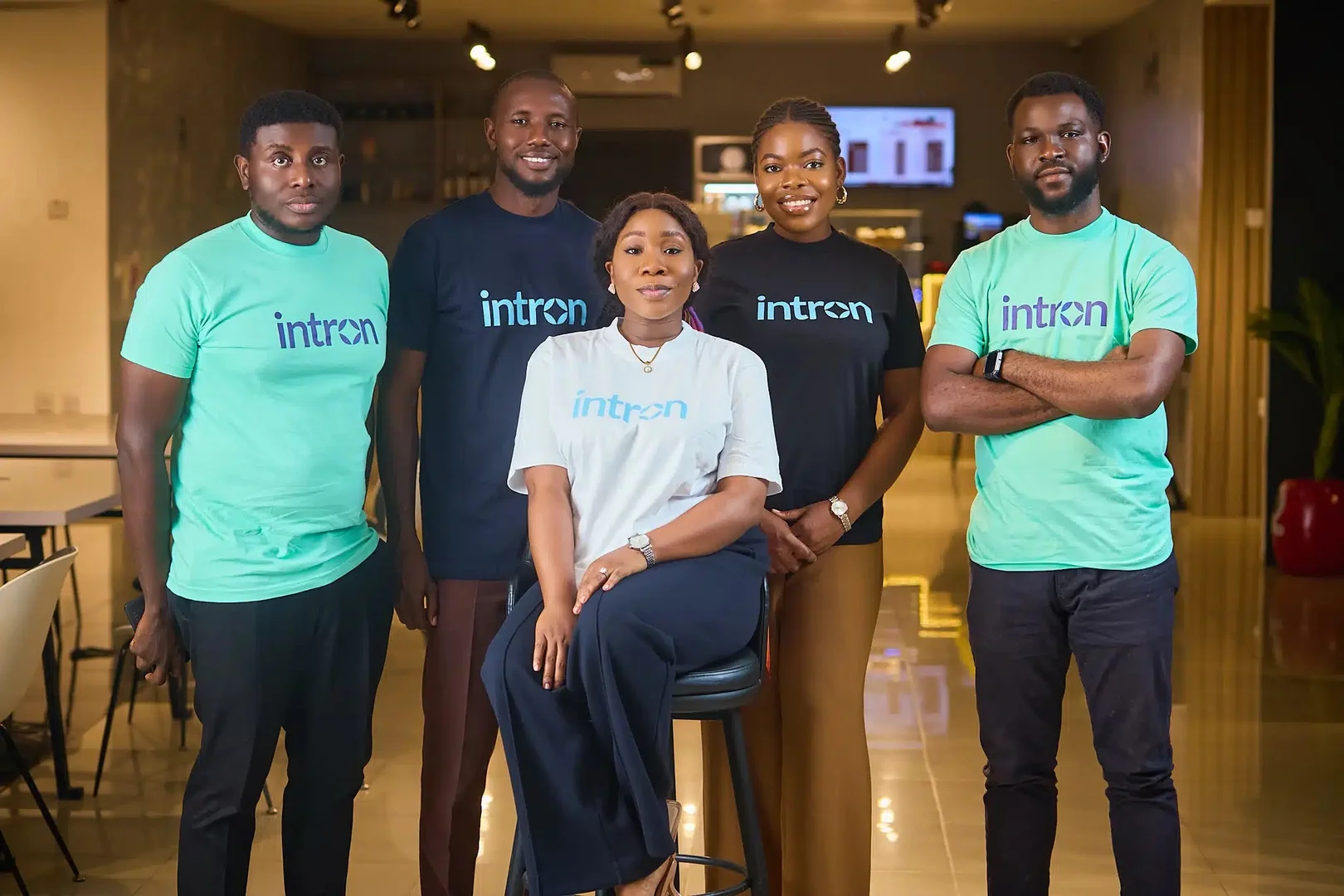
Intron's Sahara v2.5 Enhances African Language AI with Mid-Sentence Code-Switching and Igbo/Hausa Voice Generation
Nigerian voice AI company Intron has released Sahara v2.5, which now supports mid-sentence language switching across around 20 African languages and offers voice generation in…
The dispatch
One email a day. The AI stories shaping Africa.
Rewritten for clarity, sourced always. No spam; unsubscribe anytime.