AI Tools Amplify Cyber Threats to African Government Websites After Kenyan Presidential Breach
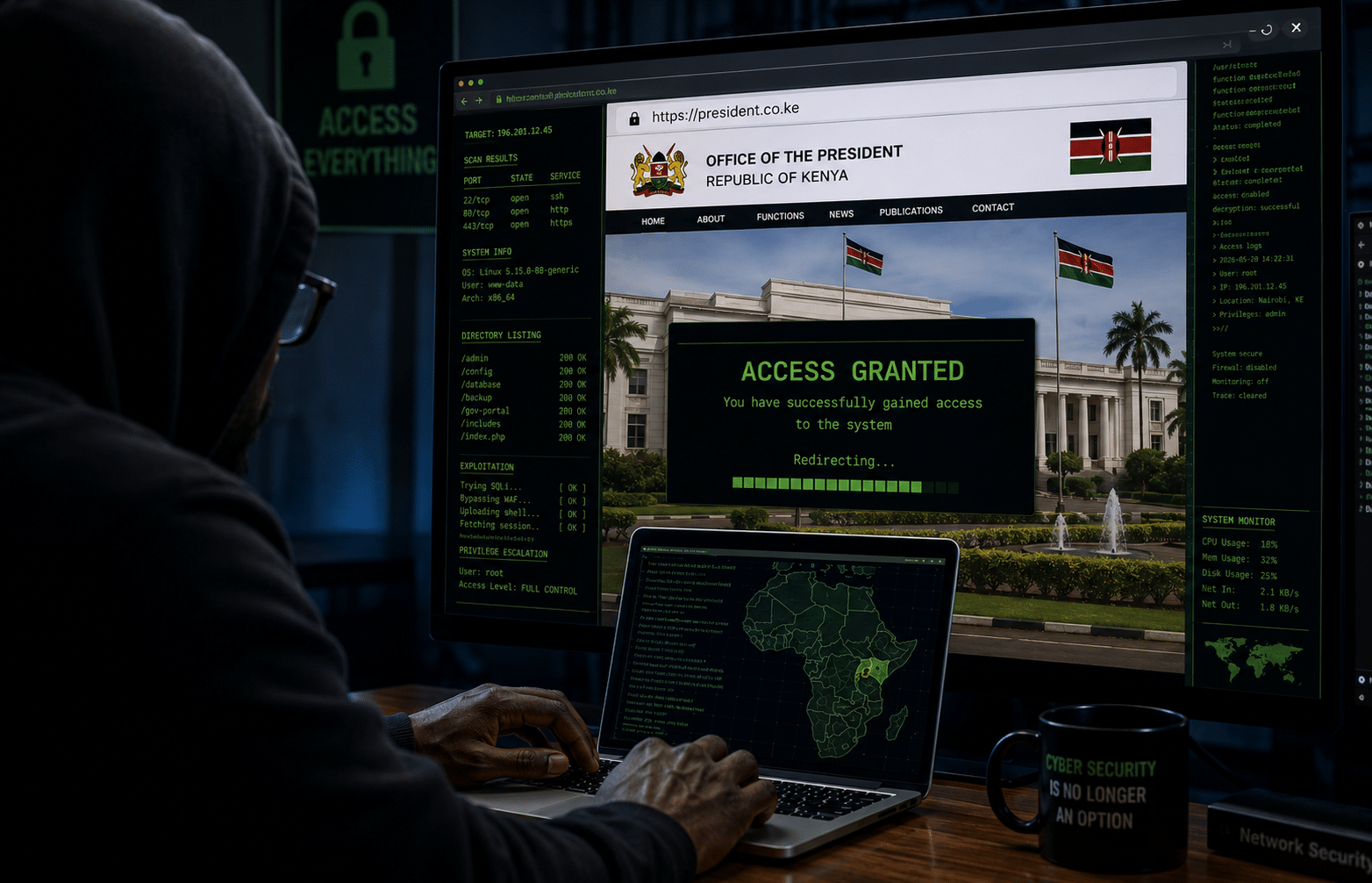
Kenya's presidential website recently fell victim to a cyberattack, with hackers demanding a 5 Bitcoin ransom and defacing the site. The Kenyan government swiftly confirmed the incident, assuring the public that no sensitive data was compromised and implementing emergency measures to contain the breach. Access to the website was temporarily restricted for forensic analysis and restoration efforts.
This incident marks the second cyber breach targeting the Kenyan presidential website within a year, following a similar attack in November 2025 that also affected several key government ministries. Cybersecurity experts suggest that the motives behind such attacks often extend beyond mere financial gain, aiming to draw significant public attention and exert leverage, especially when targeting high-profile government platforms.
A critical aspect highlighted by experts is the increasing role of Artificial Intelligence in enabling these cyber threats. Practitioners note that AI, particularly Large Language Models (LLMs), significantly lowers the barrier for entry for attackers. These tools can be easily jailbroken to generate malicious code, allowing individuals without deep programming expertise to create malware and exploit vulnerabilities, making sophisticated attacks more accessible and potentially more frequent.
This vulnerability is not unique to Kenya, with similar patterns observed across other African nations like Nigeria, South Africa, and Ghana. Experts attribute this to structural weaknesses in government digital infrastructure, often treated as one-off projects rather than critical, continuously maintained assets. This leads to a lack of ongoing security patching, outdated systems, and insufficient access controls, rendering them
Source
More in policy

South Africa Leads BRICS Call for Global AI Governance and Independent Evaluation
South Africa, through President Cyril Ramaphosa, is advocating for a robust international framework for AI governance within the BRICS bloc, including independent scientific…
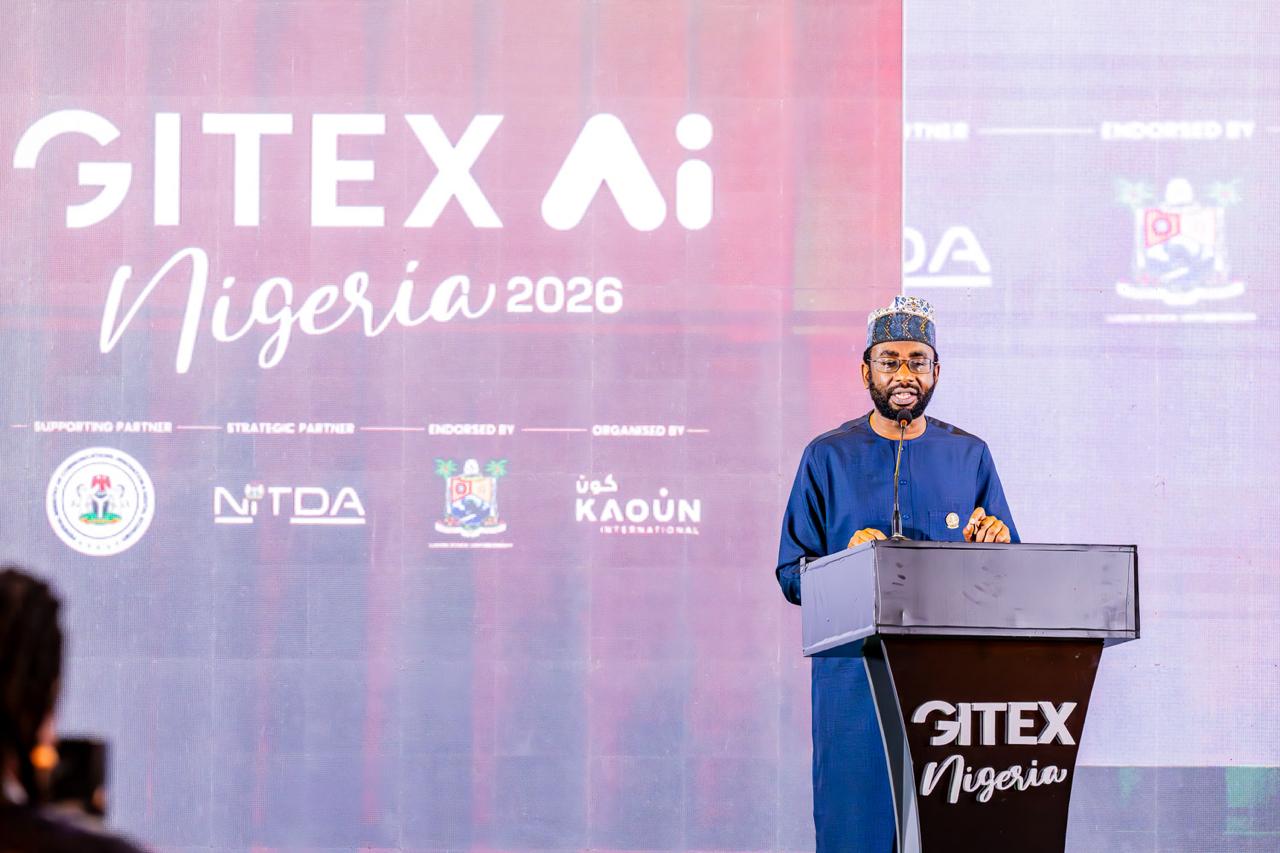
GITEX Nigeria Emphasizes Sovereign AI and Digital Transformation for a $1 Trillion Economy
GITEX Nigeria, a major tech and AI event, has launched in Abuja with a strong focus on advancing the nation's digital transformation and sovereign AI ambitions. Nigerian leaders…

Kenyan Political Operative Used Anthropic's Claude for AI-Generated Election Propaganda
A Kenyan political operative leveraged Anthropic's Claude AI to mass-produce social media propaganda ahead of the 2027 general election, praising government figures and targeting…

Anthropic Uncovers AI-Powered Political Influence Campaign in Kenya
A report by Anthropic details an AI-driven political influence operation in Kenya that used the Claude model to generate social media posts supporting the government and attacking…
The dispatch
One email a day. The AI stories shaping Africa.
Rewritten for clarity, sourced always. No spam; unsubscribe anytime.