African Experts Warn Inconsistent AI Chatbot Responses on Local Politics Threaten Trust and Governance

African technology policy specialists are raising alarms about the inconsistent and often problematic responses from leading AI chatbots when queried on politically sensitive African topics. This issue, they argue, risks eroding public trust in AI systems and complicates the continent's nascent AI governance efforts. A recent Meta Oversight Board study highlighted that AI models are more likely to refuse requests critical of governments in countries with restrictive speech laws, effectively extending state censorship through private platforms.
A core problem identified is the structural disadvantage Africa faces due to large language models being predominantly trained on English-language content from Western nations. This data imbalance means there's significantly less online political content about African events like the Anglophone crisis in Cameroon or Nigeria's #EndSARS protests compared to Western counterparts. Consequently, AI systems may rely on incomplete or unrepresentative information. Furthermore, global AI safety policies often reflect Western interpretations of harmful content, potentially mislabeling legitimate African civic discourse as incitement or disinformation.
Experts emphasize that the inconsistencies stem from a combination of factors, including inadequate training data, safety policies, and regulatory risk assessments, rather than solely government pressure. The lack of harmonized AI governance across African markets means that technology companies, through their terms of service, often set de facto policy. This is particularly evident where national AI legislation is lagging, leaving critical decisions about content moderation to entities outside the continent.
The emergence of Chinese open-source AI models, increasingly adopted by African developers for their cost-effectiveness and language handling, introduces a new dynamic. While these models have their own political restrictions, their open-source nature allows for modification of guardrails by local deployers. This shifts control from foreign companies to local developers or governments, raising concerns about transparency and accountability in how political discourse is shaped locally.
Ultimately, the challenge lies in improving African data representation and establishing robust, locally-informed governance frameworks. Without these, AI systems will continue to produce unreliable results on African political questions, which will inevitably be perceived as bias. Initiatives like ATLAS Umoja AI are working on data representation, but governance remains a critical area needing urgent development to ensure AI serves as a trustworthy source of information across the continent.
Source
More in policy
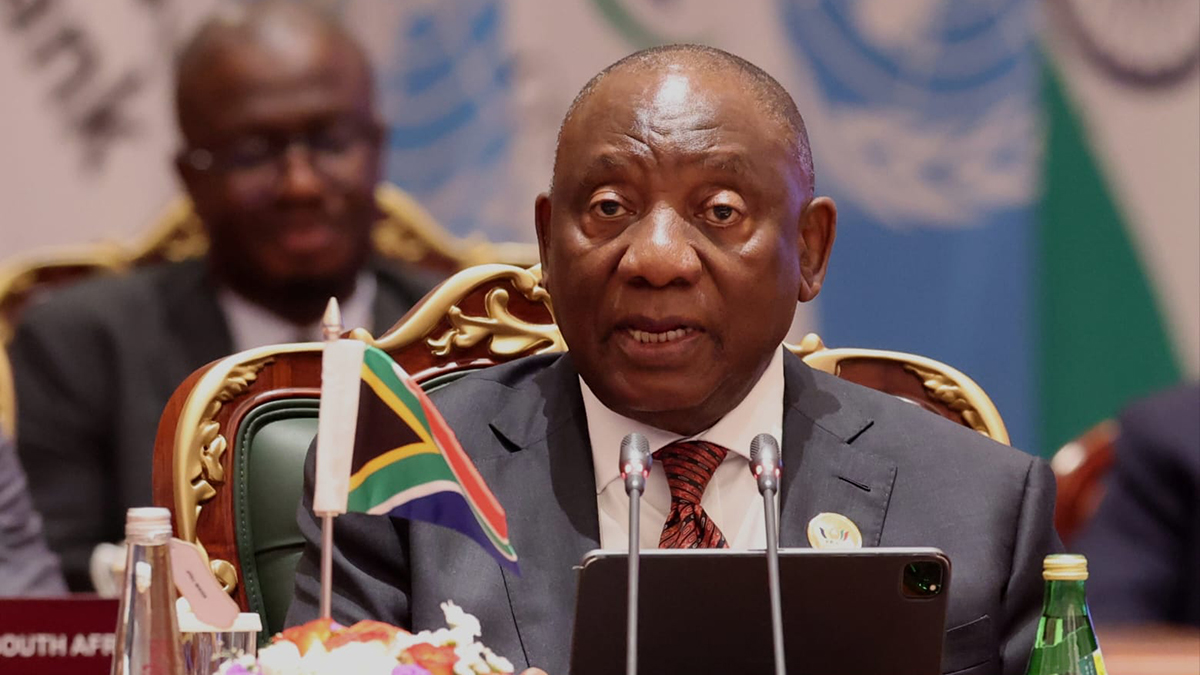
South Africa Leads BRICS Call for Global AI Governance and Independent Evaluation
South Africa, through President Cyril Ramaphosa, is advocating for a robust international framework for AI governance within the BRICS bloc, including independent scientific…
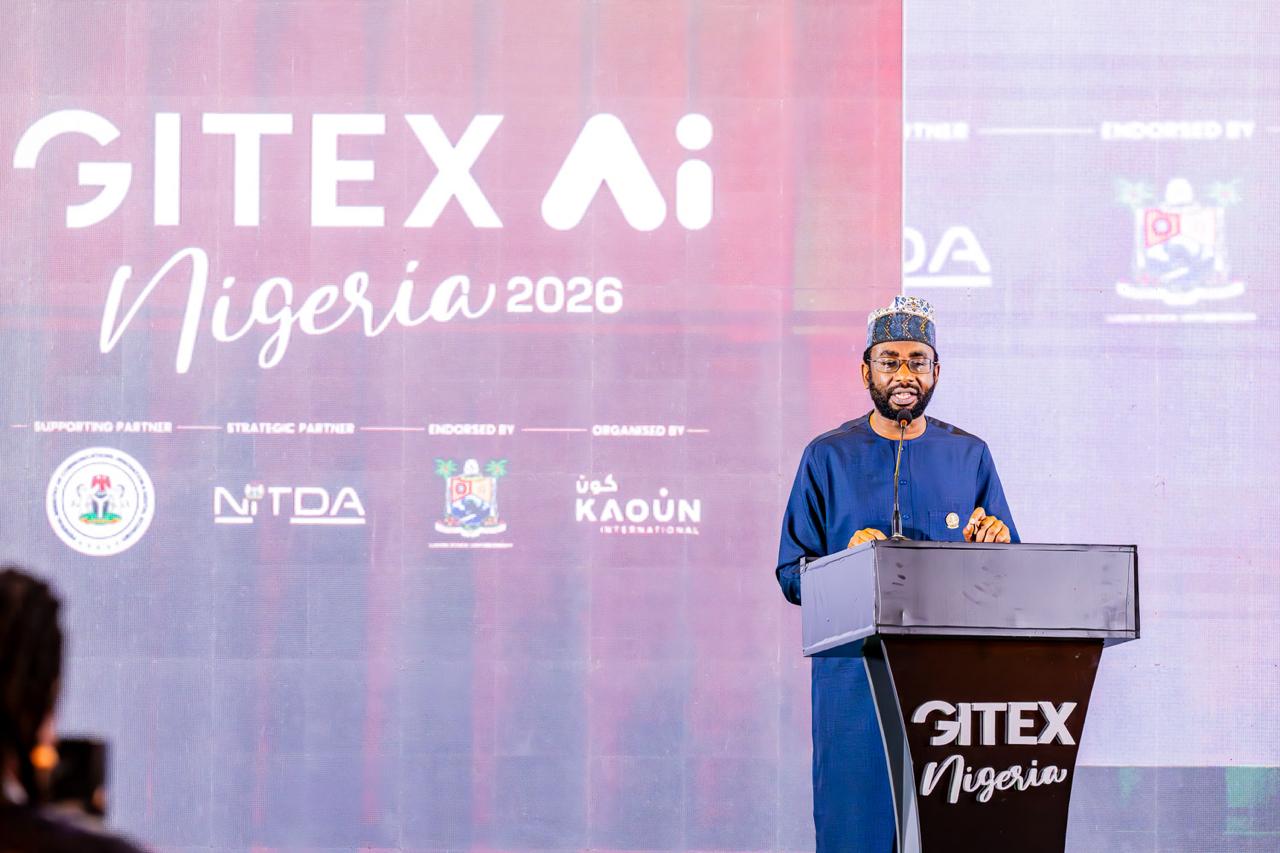
GITEX Nigeria Emphasizes Sovereign AI and Digital Transformation for a $1 Trillion Economy
GITEX Nigeria, a major tech and AI event, has launched in Abuja with a strong focus on advancing the nation's digital transformation and sovereign AI ambitions. Nigerian leaders…

Kenyan Political Operative Used Anthropic's Claude for AI-Generated Election Propaganda
A Kenyan political operative leveraged Anthropic's Claude AI to mass-produce social media propaganda ahead of the 2027 general election, praising government figures and targeting…

Anthropic Uncovers AI-Powered Political Influence Campaign in Kenya
A report by Anthropic details an AI-driven political influence operation in Kenya that used the Claude model to generate social media posts supporting the government and attacking…
The dispatch
One email a day. The AI stories shaping Africa.
Rewritten for clarity, sourced always. No spam; unsubscribe anytime.