South Africa Leads Global Call for AI Regulation Amidst US Debate on Self-Governance
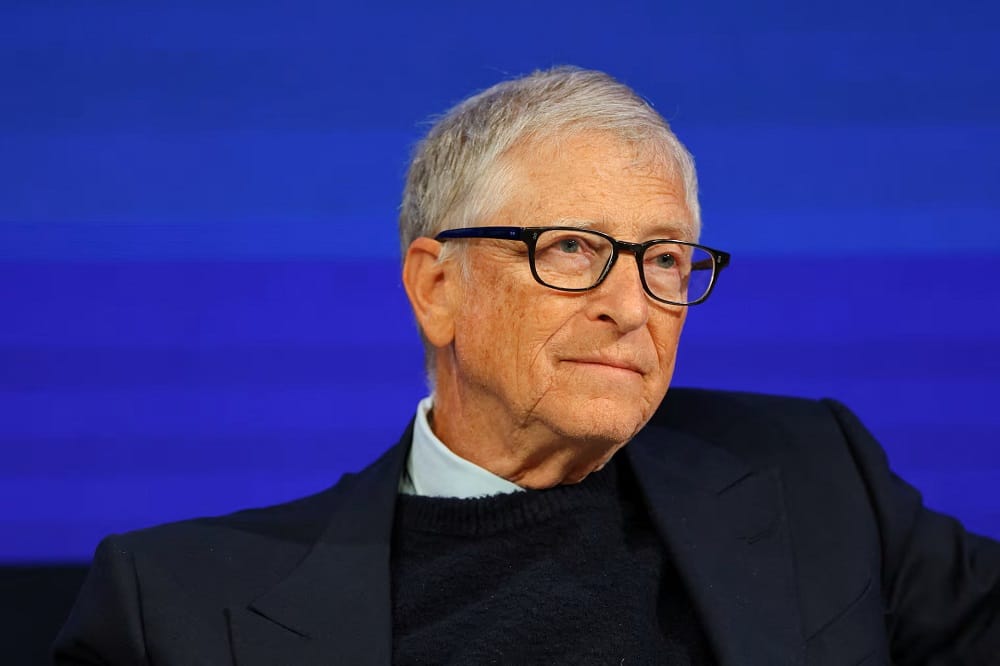
Microsoft co-founder Bill Gates has publicly advocated for robust US legislation to regulate artificial intelligence, arguing that industry self-regulation is insufficient. This stance places him in alignment with a growing international consensus for stronger AI safeguards, a debate that has seen South Africa emerge as a prominent voice.
South Africa has actively engaged in international forums, including the BRICS summit and the UN General Assembly, to champion a global AI governance framework. President Cyril Ramaphosa proposed an international mechanism for independent scientific evaluation of AI, emphasizing human control, mandatory incident reporting, and progressive safeguards. He also highlighted the critical need for investment in sovereign AI capacity for developing economies, a unique aspect of the African perspective.
The absence of clear international AI legislation poses a significant challenge for African nations. Regulators, such as South Africa's Financial Sector Conduct Authority, are awaiting global principles before implementing domestic AI rules. This delay underscores the importance of a unified international approach, which is currently stalled by disagreements, particularly in the US. South Africa's position uniquely links AI oversight with capacity building, arguing that developing countries must have the means to build and assess AI technologies if they are to adhere to global standards.
This proactive stance by South Africa highlights a broader African interest in shaping the future of AI governance. By advocating for inclusive frameworks that address the specific needs and challenges of developing economies, South Africa is contributing to a more equitable and responsible global AI landscape. The country's efforts are crucial in ensuring that international AI policies are not solely dictated by technologically advanced nations, but also consider the diverse contexts and capacities of the African continent.
Source
More in policy

World Bank Advises Sub-Saharan Africa to Focus on 'Small AI' for Local Impact
The World Bank's recent report advises Sub-Saharan Africa to prioritize 'small AI' applications designed for local needs and low-bandwidth environments, rather than focusing on…

South Africa Must Prioritize Job Creation and Skills Development in its AI Strategy, New Report Urges
A new report emphasizes that South Africa must prioritize job creation and skills development in its AI strategy to mitigate high unemployment and leverage AI for economic growth.…
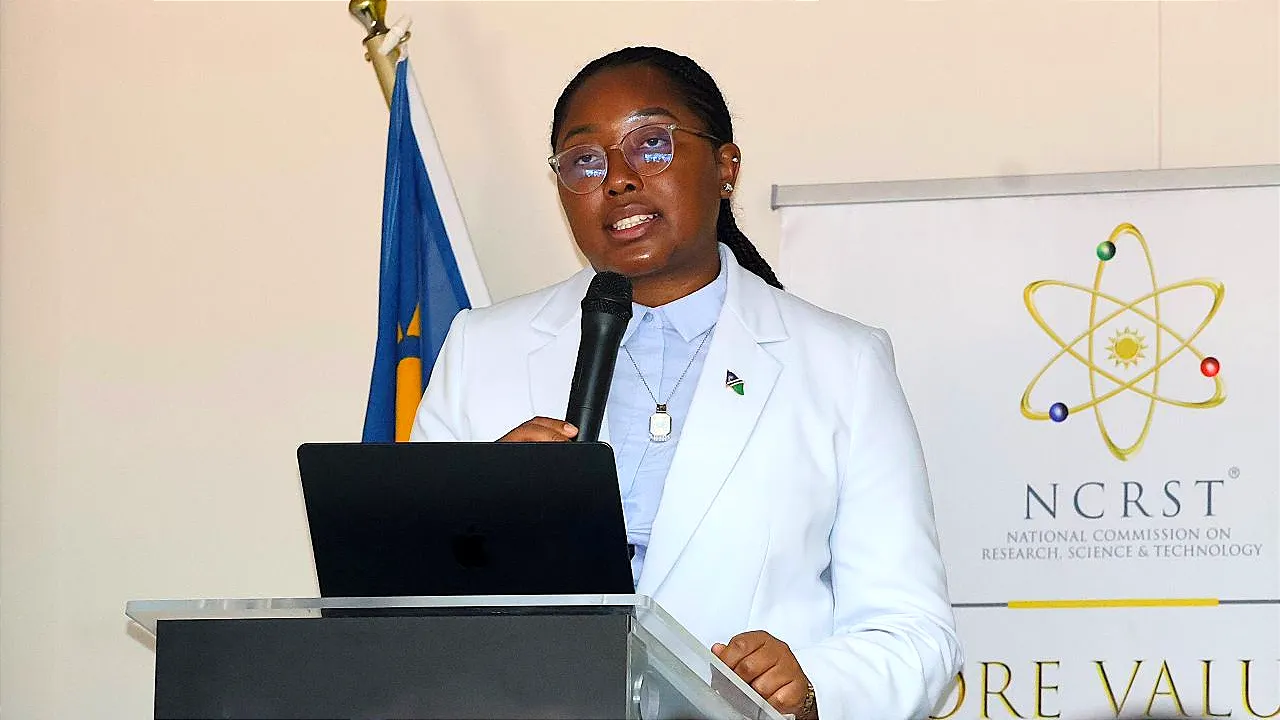
Namibia Launches National AI Institute to Address Identified Gaps in Local Readiness
Namibia has launched a National AI Institute directly structured to address specific gaps identified in its own AI Readiness Assessment, particularly focusing on the severe lack…
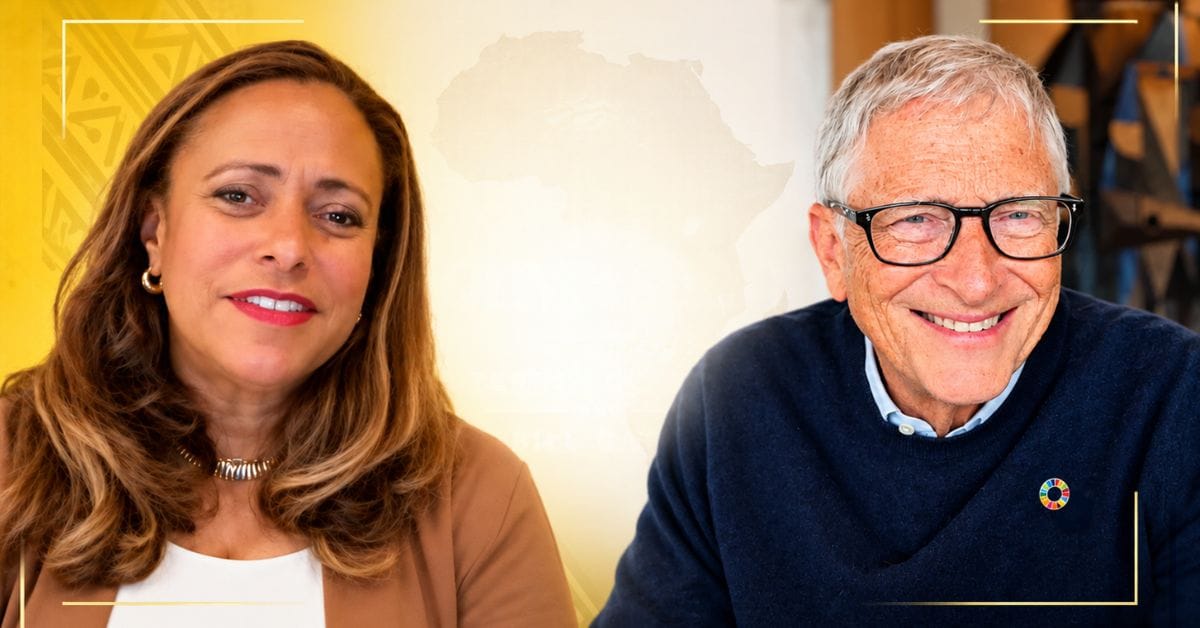
Bill Gates Outlines AI's Transformative Potential and Challenges for Africa
Bill Gates discussed how AI can transform African agriculture, health, and education, emphasizing the need for AI tools to be localized with African languages and data. He…
The dispatch
One email a day. The AI stories shaping Africa.
Rewritten for clarity, sourced always. No spam; unsubscribe anytime.