Cape Town Approves Massive Data Centers, Highlighting Africa's AI Growth and Energy Challenge

Cape Town has granted approval for two hyperscale data centers with a combined power draw of approximately 174 megawatts. This significant development positions these facilities among the largest new grid loads in Africa, underscoring the continent's rapidly expanding demand for data center capacity, driven largely by the growth of artificial intelligence and digital transformation initiatives.
This approval intensifies the focus on the critical interplay between the burgeoning AI industry and Africa's power sector capabilities. The continuous, uninterrupted power supply required by hyperscale computing transforms grid reliability from a preference into a commercial necessity, influencing how new power generation projects are planned and incentivizing investment in reliable energy infrastructure like battery storage and transmission upgrades. This trend is already evident in South Africa's electricity market reforms, which encourage private sector participation in power generation to serve commercial clients.
The dynamic extends beyond South Africa, with countries like Kenya, Morocco, Egypt, and Nigeria actively pursuing strategies to attract digital investment, where power reliability is a key selling point. The article highlights examples such as Nigeria's Kasi Cloud and the pan-African operator Raxio, both expanding their data center footprints. McKinsey projects a substantial increase in Africa's installed data center capacity by 2030, necessitating billions in new investment, with Cape Town's recent approval alone representing a significant portion of the continent's current capacity.
However, this rapid expansion also brings environmental and social considerations to the forefront. Previous debates in Durban concerning an AI data center highlighted concerns about energy and water demands, local economic participation, and environmental impacts. Given Cape Town's past experience with severe water scarcity, similar civic questions regarding water usage for cooling these new facilities are likely to emerge, sharpening the broader debate on sustainable AI infrastructure development in Africa.
Ultimately, the Cape Town data center approvals signal that Africa's AI growth is increasingly intertwined with the energy sector. Meeting the substantial power demands of these facilities will require significant investment in generation, transmission, and storage, creating new opportunities for developers, utilities, and private power operators who are now central to the AI conversation on the continent.
Source
More in infrastructure
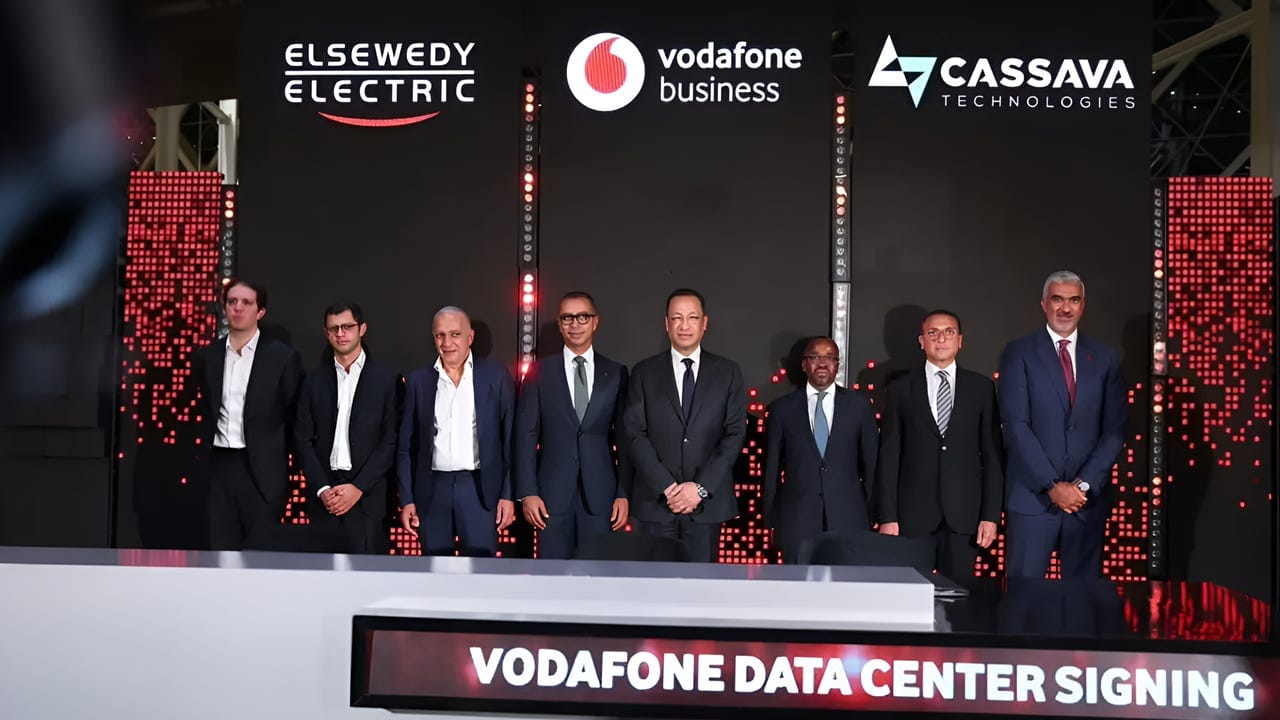
Egypt Launches First AI Factory with Vodafone and Cassava, Signaling Multi-Partner Strategy
Vodafone Egypt and Cassava Technologies have launched Egypt's first AI factory, offering GPU-as-a-Service with in-country data processing. This initiative is a key part of Egypt's…

UduTech Partners with BARO AI to Boost Africa's AI Computing Power with South Korean GPUs
Nigerian UduTech has partnered with South Korean BARO AI to supply high-performance GPUs to African entities, addressing the continent's critical shortage in AI computing…

Egypt Invests $1 Billion in Sovereign AI Data Centers to Boost Digital Economy
Egypt is investing significantly in building its own data and AI infrastructure, including the country's first sovereign AI data center, to reduce reliance on foreign cloud…

Egypt Unveils First National AI Factory in Partnership with Vodafone and Cassava Technologies
Egypt has launched its first national AI factory through a partnership between Vodafone Business and Cassava Technologies, aiming to establish the country as a regional AI hub.…
The dispatch
One email a day. The AI stories shaping Africa.
Rewritten for clarity, sourced always. No spam; unsubscribe anytime.