South African Law Grapples with AI-Driven Job Displacement and Employee Intellectual Property

The increasing use of AI to automate tasks previously performed by human employees raises complex legal questions, particularly regarding the ownership of an employee's professional capabilities once distilled into an AI model. The article highlights the case of 'Nomsa,' a compliance specialist whose expertise was used to train an AI agent, leading to her eventual retrenchment. This scenario brings into sharp focus the legal vacuum surrounding the 'distillation' of human knowledge into AI systems.
South African labor law, as demonstrated by cases like *Automotive Tooling Systems v Wilkens* and *Nuvest Chemicals v Meyer*, traditionally protects an employee's skills and know-how as personal property, not belonging to the employer. However, these precedents were established in a pre-AI era where knowledge left with the employee. AI changes this by allowing the employer to retain a 'copy' of the capability even after the employee departs.
The piece draws parallels with international cases and academic research, such as the work of Yang Chen on 'employee distillation and cloning,' which suggests current legal frameworks like privacy, copyright, and trade secrets offer insufficient protection. For South African employers, the article advises treating AI distillation as a governed activity, ensuring transparency and consent under POPIA, maintaining human oversight in decision-making, and adhering to fair consultation processes during retrenchments under the Labour Relations Act.
For employees, it emphasizes the importance of understanding what AI agents are being trained on and for what purpose, distinguishing personal expertise from proprietary methodologies, and focusing on consultation processes as the primary battleground in case of retrenchment. The core issue remains: while South African law protects individual skills, it has yet to definitively address the ownership and implications when those skills are systematically extracted and embedded into AI.
Source
More in policy
World Bank Advises Sub-Saharan Africa to Focus on 'Small AI' for Local Impact
The World Bank's recent report advises Sub-Saharan Africa to prioritize 'small AI' applications designed for local needs and low-bandwidth environments, rather than focusing on…

South Africa Must Prioritize Job Creation and Skills Development in its AI Strategy, New Report Urges
A new report emphasizes that South Africa must prioritize job creation and skills development in its AI strategy to mitigate high unemployment and leverage AI for economic growth.…
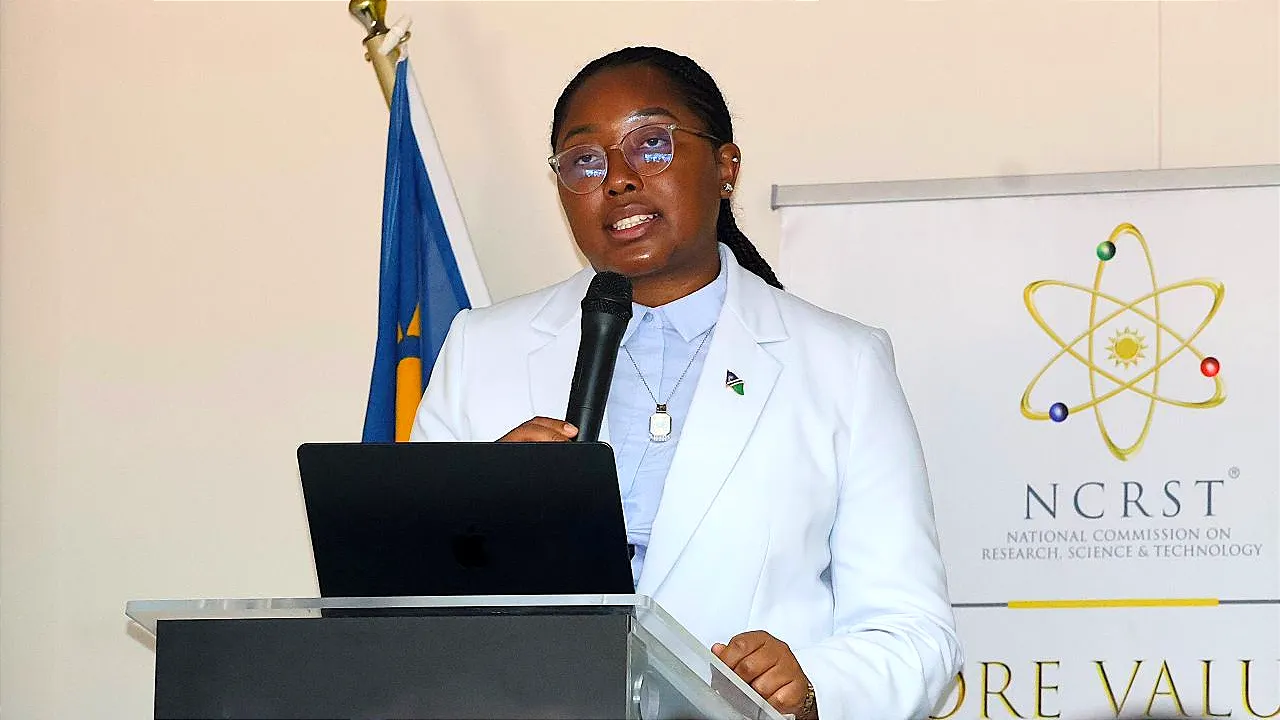
Namibia Launches National AI Institute to Address Identified Gaps in Local Readiness
Namibia has launched a National AI Institute directly structured to address specific gaps identified in its own AI Readiness Assessment, particularly focusing on the severe lack…
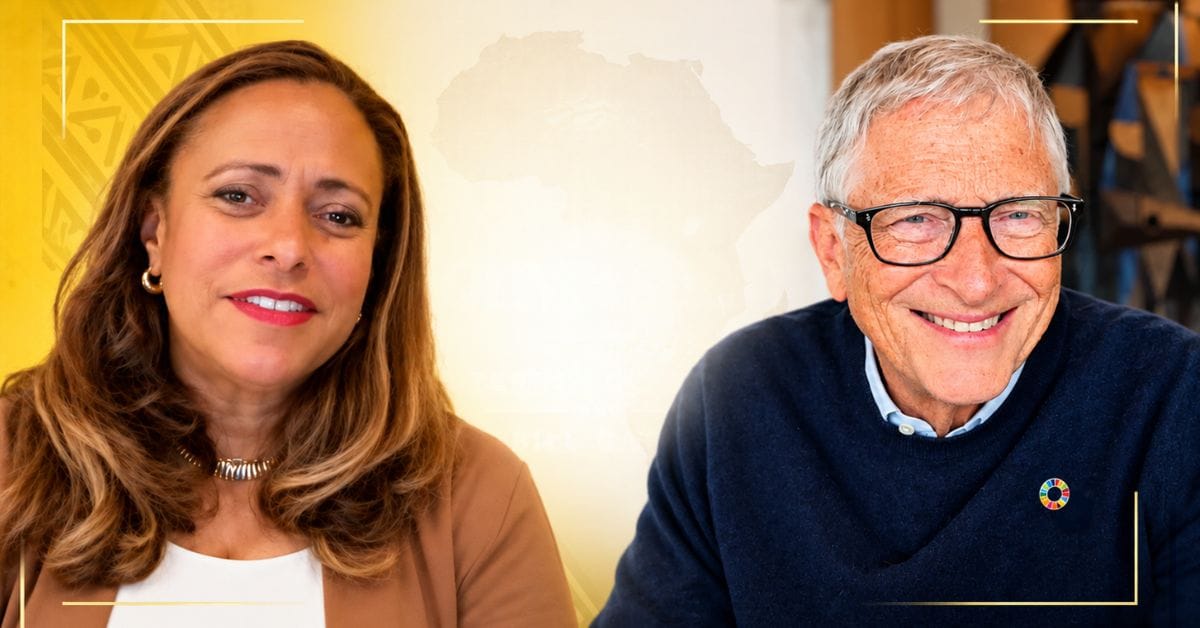
Bill Gates Outlines AI's Transformative Potential and Challenges for Africa
Bill Gates discussed how AI can transform African agriculture, health, and education, emphasizing the need for AI tools to be localized with African languages and data. He…
The dispatch
One email a day. The AI stories shaping Africa.
Rewritten for clarity, sourced always. No spam; unsubscribe anytime.