World Bank Pledges Support for Egypt's Ambitious Second National AI Strategy

The World Bank Group has formally committed to supporting Egypt's efforts to cultivate a competitive digital economy and accelerate the adoption of artificial intelligence. This pledge follows a high-level meeting in Cairo where Egyptian officials, led by the Minister of Communications and Information Technology Raafat Hindi, reviewed the country's progress in broadband expansion and the impending launch of its second National AI Strategy. The discussions underscored the global shift towards a knowledge-based digital economy, with the World Bank emphasizing the importance of shared expertise in areas like data governance and digital regulation.
Egypt's National AI Strategy for 2025–2030, which President Abdel Fattah El-Sisi is set to launch, outlines ambitious goals. It aims to elevate the information and communications technology (ICT) sector's contribution to Egypt's GDP to 7.7% by 2030, generate an estimated $42.7 billion in AI-related economic value, foster the creation of over 250 AI companies, and develop a national talent pool of 30,000 skilled individuals. Key areas of review included the expansion of AI applications within government administration, public sector capacity-building programs, and innovations from the Applied Innovation Centre.
Beyond AI specifics, the dialogue also covered broader digital infrastructure improvements, such as expanding high-speed internet access in rural areas under the "Decent Life" initiative. Other topics included public-private partnerships, digital sovereignty, investment in data centers, data governance frameworks, and online child protection, highlighting a comprehensive approach to digital transformation. The visit also included a stop at the Valeo AI development center in Cairo's Smart Village, showcasing foreign-backed AI hubs contributing to Egypt's regional positioning.
This World Bank commitment is significant for Egypt, reinforcing its strategic efforts to become a leading AI hub in the region. The broader context reveals an increasing engagement by the World Bank in African AI policy, exemplified by its Inclusive Digitalization program supporting a harmonized regional AI strategy across 21 COMESA member states, including Egypt. This means Egypt's AI development is influenced by a confluence of national ambition, direct international partnership, and continent-wide harmonization goals, making it a crucial case study for AI development in Africa.
Source
More in policy
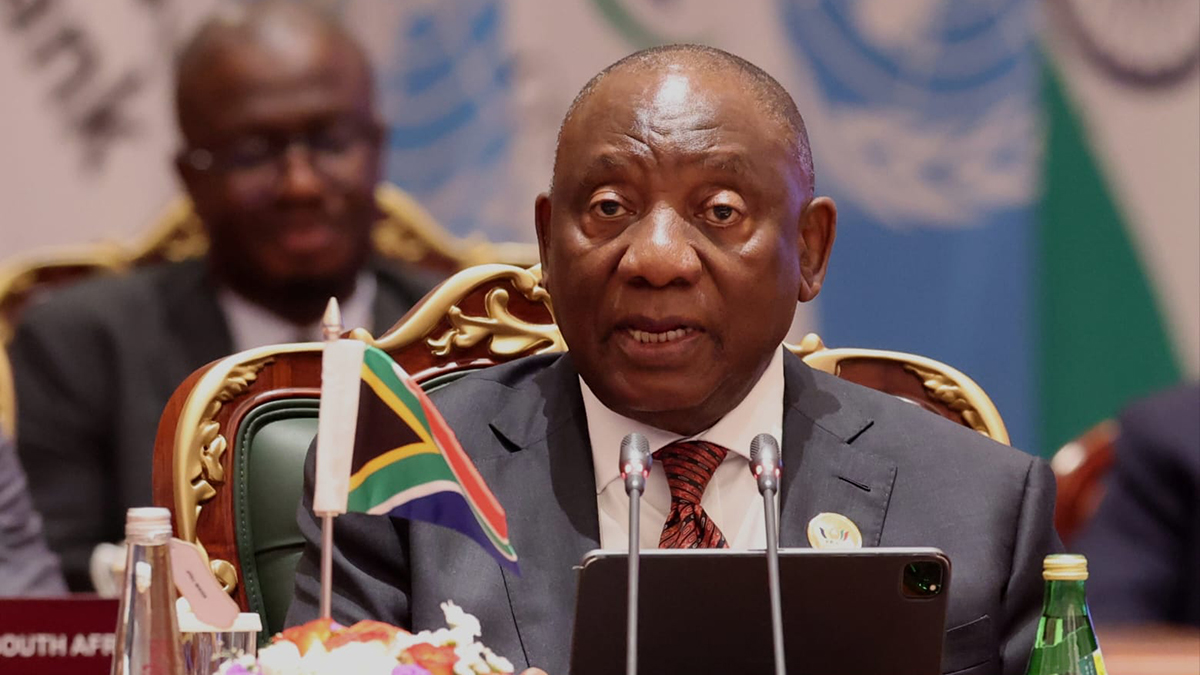
South Africa Leads BRICS Call for Global AI Governance and Independent Evaluation
South Africa, through President Cyril Ramaphosa, is advocating for a robust international framework for AI governance within the BRICS bloc, including independent scientific…
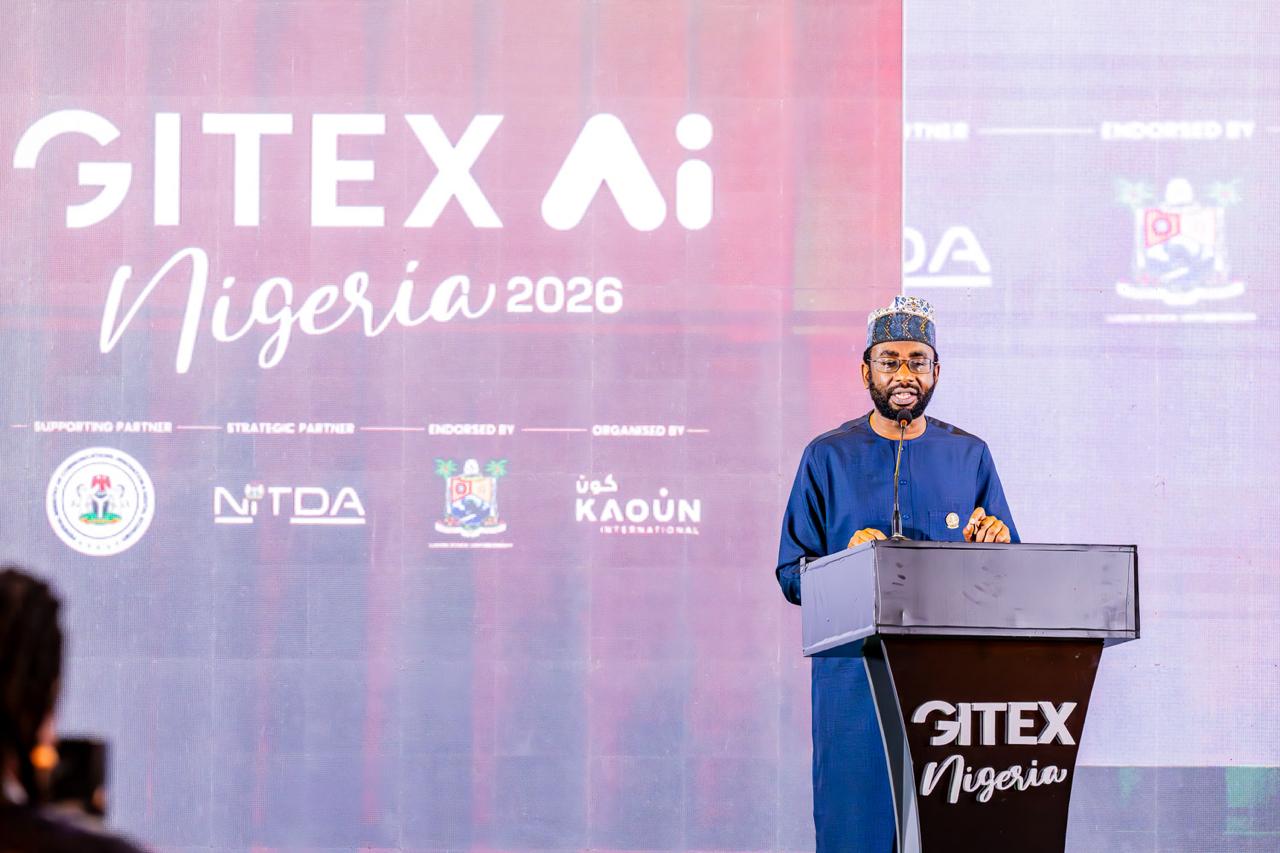
GITEX Nigeria Emphasizes Sovereign AI and Digital Transformation for a $1 Trillion Economy
GITEX Nigeria, a major tech and AI event, has launched in Abuja with a strong focus on advancing the nation's digital transformation and sovereign AI ambitions. Nigerian leaders…

Kenyan Political Operative Used Anthropic's Claude for AI-Generated Election Propaganda
A Kenyan political operative leveraged Anthropic's Claude AI to mass-produce social media propaganda ahead of the 2027 general election, praising government figures and targeting…

Anthropic Uncovers AI-Powered Political Influence Campaign in Kenya
A report by Anthropic details an AI-driven political influence operation in Kenya that used the Claude model to generate social media posts supporting the government and attacking…
The dispatch
One email a day. The AI stories shaping Africa.
Rewritten for clarity, sourced always. No spam; unsubscribe anytime.