AI Fuels Sophistication in Nigerian Digital Payment Fraud Despite Overall Loss Reduction

A new report, "The Compliance Reckoning," released by Adhere and TechCabal, reveals a significant decrease in Nigeria's reported digital payment fraud losses, from ₦52.26 billion in 2024 to ₦25.85 billion in 2025. While this appears positive, the report warns that the reduction in total losses masks a more concerning trend: an increase in the sophistication and impact of individual fraud attacks, largely driven by the use of artificial intelligence.
The report highlights that fraudsters are leveraging AI to create highly realistic fake identities, mimic voices, automate attacks, and personalize scams, making their schemes more effective and costly when successful. This technological advancement means traditional fraud prevention methods are no longer sufficient. Globally, financial fraud losses are projected to reach $442 billion by 2025, with AI-driven fraud expected to yield returns 4.5 times higher than conventional methods.
Nigerian financial institutions are also contending with a rapidly evolving and stricter regulatory landscape, with the Central Bank of Nigeria implementing numerous new cybersecurity, anti-money laundering, and data protection regulations. The report emphasizes that effective compliance now extends beyond avoiding penalties, impacting operational stability and international banking relationships. The shortage of cybersecurity professionals in Nigeria further exacerbates the challenge for banks and fintechs to enhance their fraud detection capabilities.
To combat this rising tide of AI-powered financial crime, the report advocates for a comprehensive approach. It stresses that technology, specifically AI, should be integrated with robust governance, improved customer risk profiling, continuous transaction monitoring, and strengthened collaboration across the financial ecosystem. The focus for the coming months, according to the report, should be on architectural improvements rather than solely on acquiring new tools, ensuring that technology is supported by strong processes and coordinated industry action.
Source
More in policy
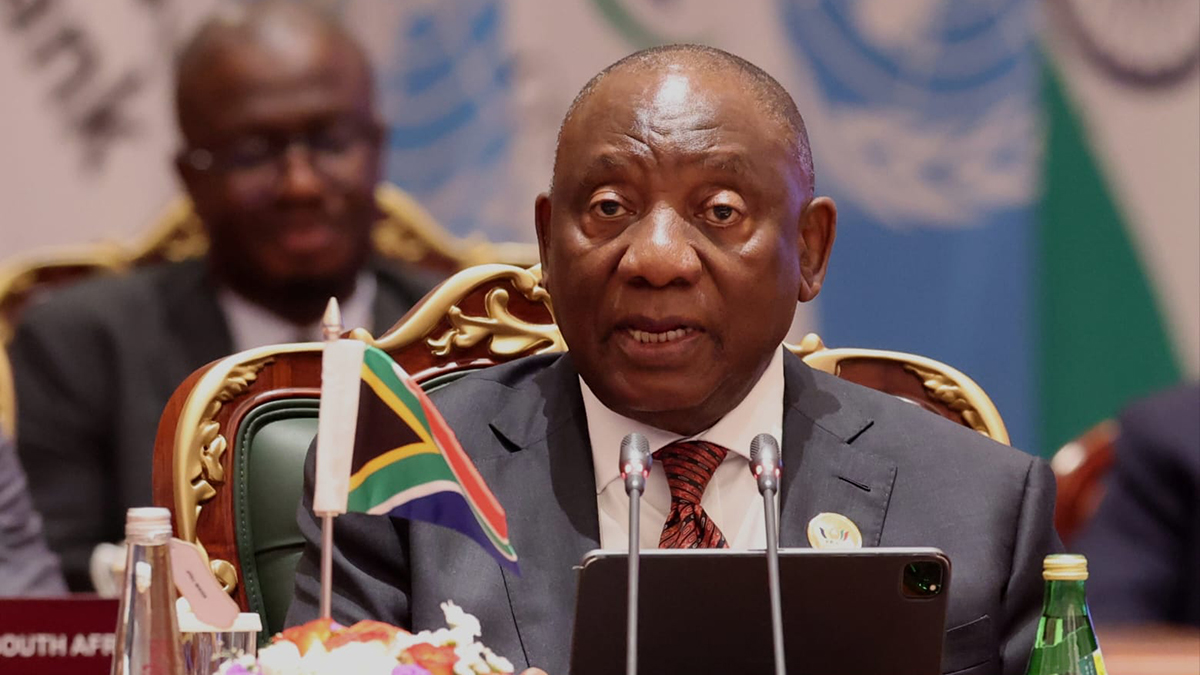
South Africa Leads BRICS Call for Global AI Governance and Independent Evaluation
South Africa, through President Cyril Ramaphosa, is advocating for a robust international framework for AI governance within the BRICS bloc, including independent scientific…
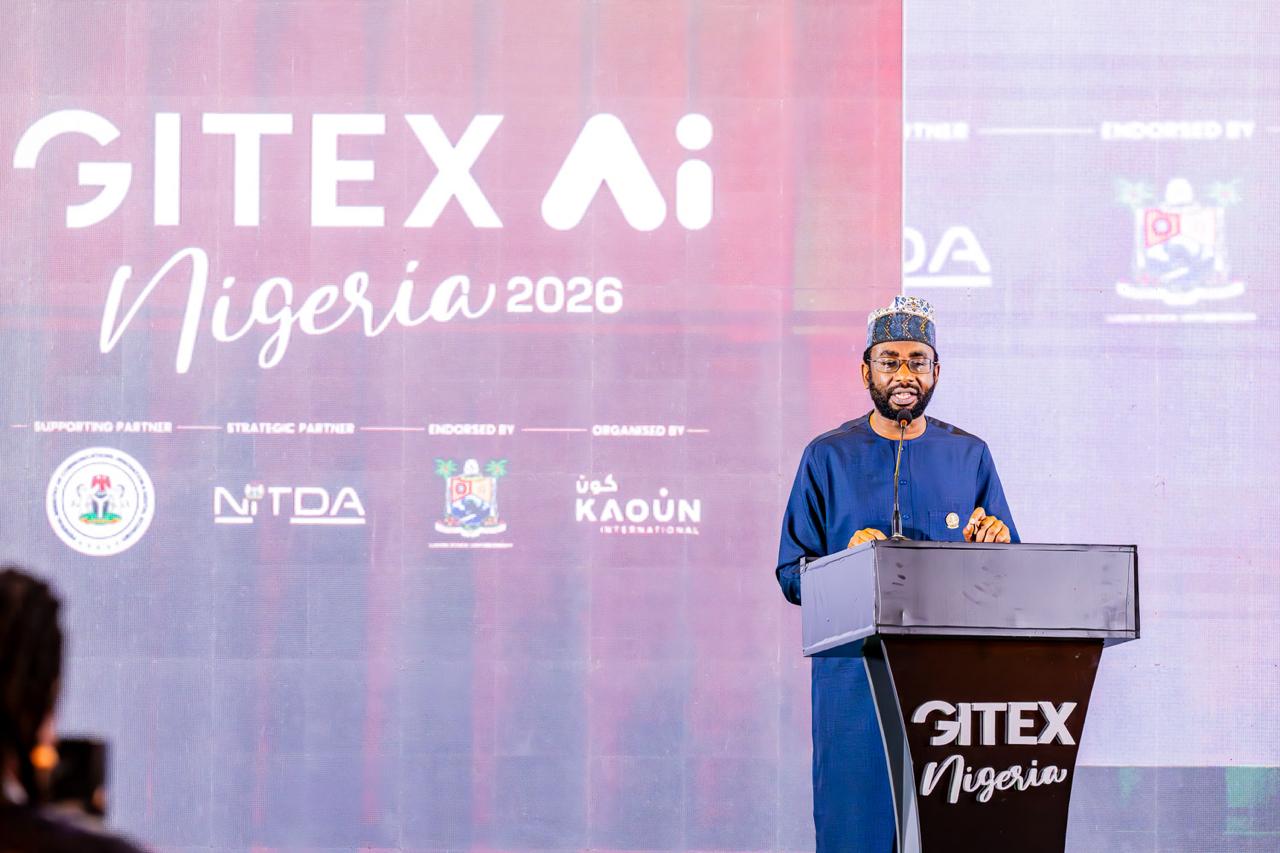
GITEX Nigeria Emphasizes Sovereign AI and Digital Transformation for a $1 Trillion Economy
GITEX Nigeria, a major tech and AI event, has launched in Abuja with a strong focus on advancing the nation's digital transformation and sovereign AI ambitions. Nigerian leaders…

Kenyan Political Operative Used Anthropic's Claude for AI-Generated Election Propaganda
A Kenyan political operative leveraged Anthropic's Claude AI to mass-produce social media propaganda ahead of the 2027 general election, praising government figures and targeting…

Anthropic Uncovers AI-Powered Political Influence Campaign in Kenya
A report by Anthropic details an AI-driven political influence operation in Kenya that used the Claude model to generate social media posts supporting the government and attacking…
The dispatch
One email a day. The AI stories shaping Africa.
Rewritten for clarity, sourced always. No spam; unsubscribe anytime.