South African News Sites Struggle to Block AI Content Scraping, Exposing Local Language Journalism

A new report reveals that nearly 70% of South African news websites are not taking action to prevent AI crawlers from scraping their content. The study, conducted by the Media Leadership Think Tank at the University of Pretoria's Gordon Institute of Business Science, the Journalism Relay Project, and the International Fund for Public Interest Media, analyzed the robots.txt files of 263 South African news sites.
The findings indicate that while most sites have a robots.txt file, only about 30% use it to block AI crawlers. This capacity to restrict AI access is heavily concentrated among larger, well-resourced publishers, leaving smaller, community, and vernacular outlets largely exposed. The report highlights that implementing such blocks requires technical capacity, which many smaller newsrooms publishing in African languages like Sesotho or isiXhosa often lack.
The consequence of this 'protocol gap' is significant: valuable African-language journalism, crucial for training AI models in low-resource languages, is being absorbed without consent, attribution, or payment. This provides raw material for AI systems that often fail to adequately serve these same language communities. The report argues that in the absence of clear legal frameworks, robots.txt has become a de facto governance tool, but one that only financially stable publishers can effectively utilize.
This issue unfolds within an active regulatory landscape, with South Africa's Competition Commission addressing publisher controls and recommending compensation from Google. Internationally, similar inquiries are underway in Brazil and Nigeria, underscoring a growing global concern over the unauthorized use of media content by generative AI platforms. The study aims to provide Global South publishers with comparative data to better understand their position in this evolving digital environment.
Source
More in policy
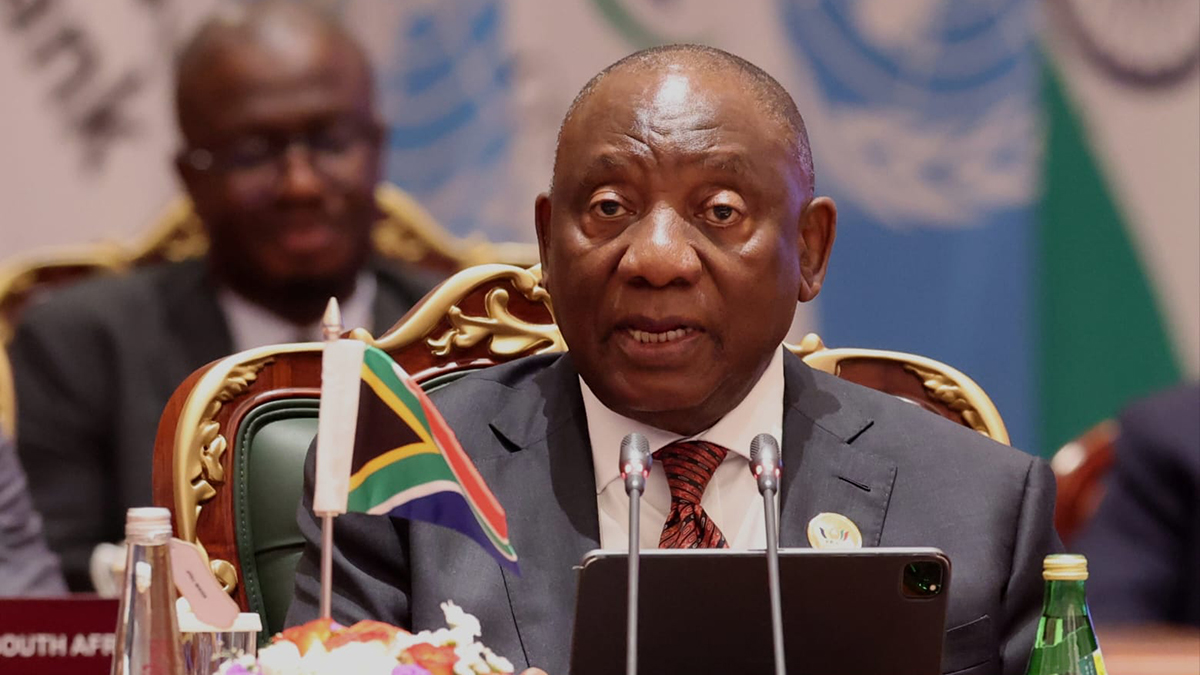
South Africa Leads BRICS Call for Global AI Governance and Independent Evaluation
South Africa, through President Cyril Ramaphosa, is advocating for a robust international framework for AI governance within the BRICS bloc, including independent scientific…
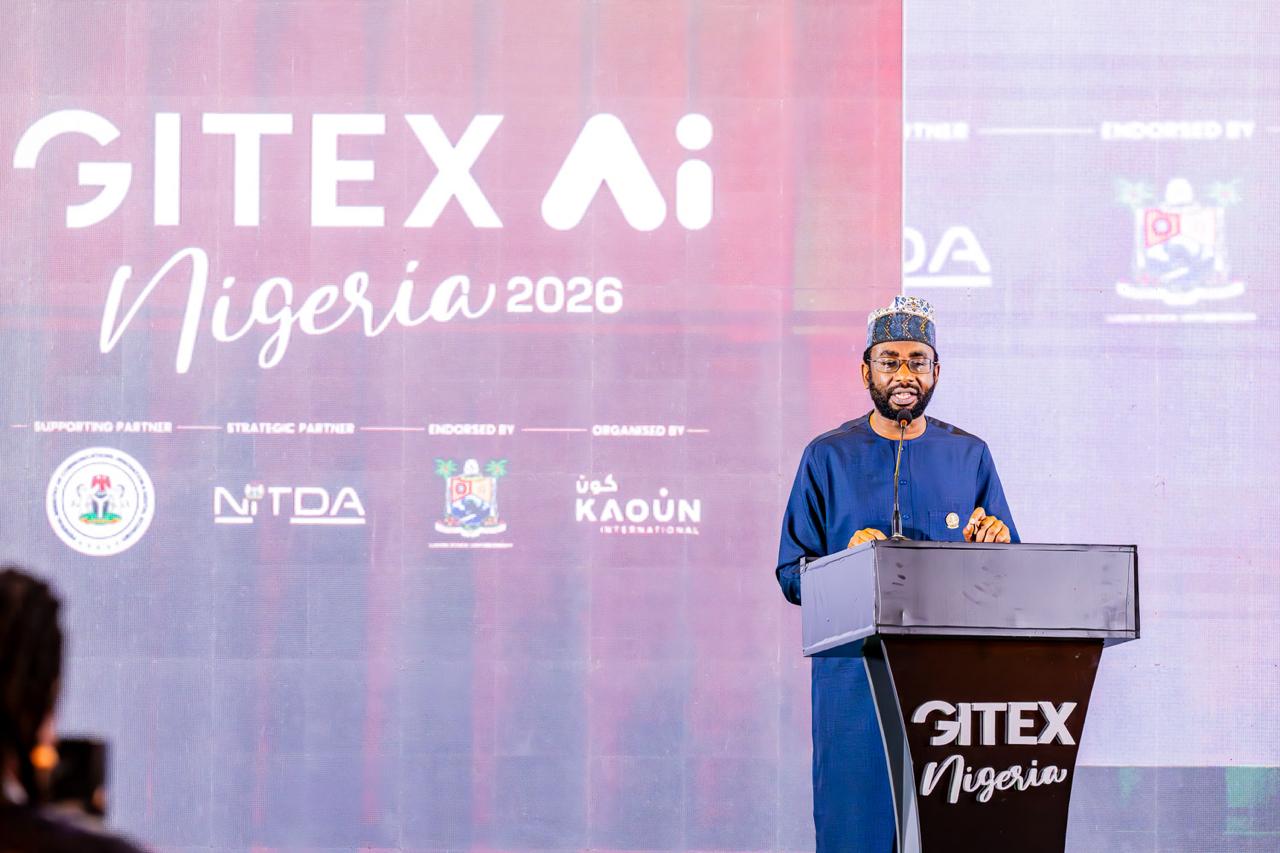
GITEX Nigeria Emphasizes Sovereign AI and Digital Transformation for a $1 Trillion Economy
GITEX Nigeria, a major tech and AI event, has launched in Abuja with a strong focus on advancing the nation's digital transformation and sovereign AI ambitions. Nigerian leaders…

Kenyan Political Operative Used Anthropic's Claude for AI-Generated Election Propaganda
A Kenyan political operative leveraged Anthropic's Claude AI to mass-produce social media propaganda ahead of the 2027 general election, praising government figures and targeting…

Anthropic Uncovers AI-Powered Political Influence Campaign in Kenya
A report by Anthropic details an AI-driven political influence operation in Kenya that used the Claude model to generate social media posts supporting the government and attacking…
The dispatch
One email a day. The AI stories shaping Africa.
Rewritten for clarity, sourced always. No spam; unsubscribe anytime.