South Africa Introduces AI-Powered Digital Visa System to Combat Fraud and Enhance Border Security
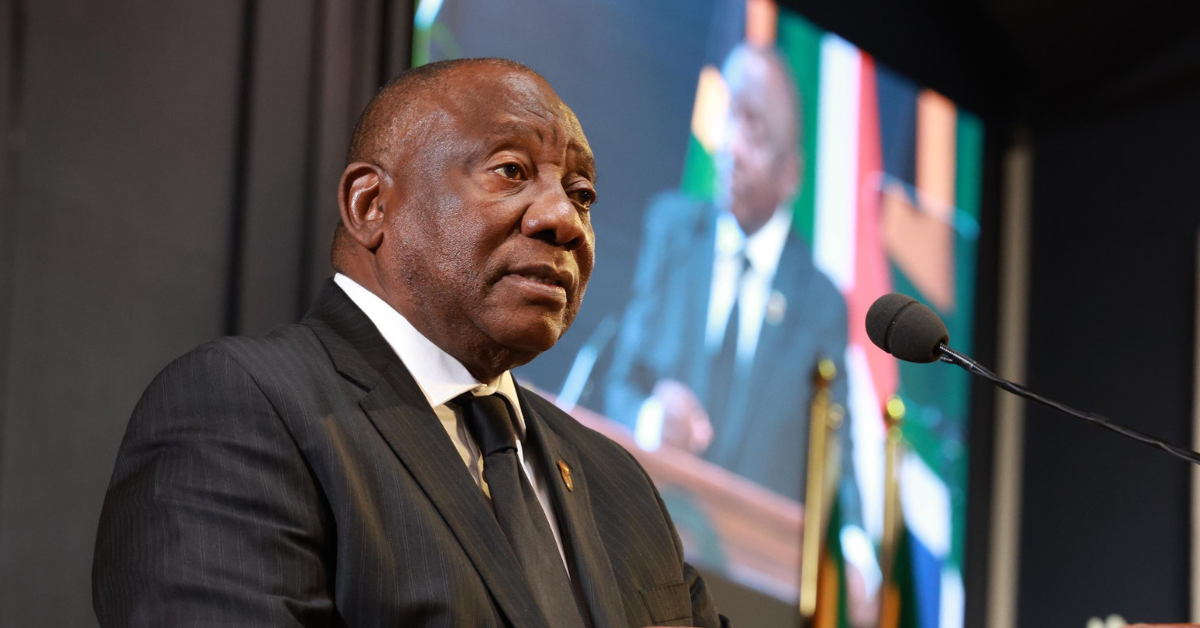
South Africa is launching an Electronic Travel Authorisation (ETA) system, leveraging machine learning, biometrics, and facial recognition to modernize its immigration processes. This digital visa system, spearheaded by President Cyril Ramaphosa, aims to streamline entry for legitimate travelers while simultaneously bolstering border security against fraudulent applications. The ETA has already processed over 203,000 applications since May, with machine learning algorithms successfully detecting and rejecting more than 5,500 fraudulent attempts involving manipulated documents and fake passports.
The new system integrates advanced biometric verification with an upgraded Electronic Movement Control System (eMCS 2.0). It allows prospective travelers to apply for tourist visas from their devices, using AI to verify identity and check up to 40 parameters for passport authenticity. At physical borders, the Border Management Authority will utilize facial recognition for identity and visa verification, promising faster processing times at airports.
While the ETA is expected to improve efficiency and security at formal ports of entry, aviation analysts caution that it is not a panacea for South Africa's broader immigration challenges. The system is designed to manage travelers using official entry points and will not address issues of undocumented migration through porous land borders. Despite these limitations, the government views the ETA as a foundational step towards a comprehensive digital visa platform that will eventually encompass various visa types, replacing outdated paper-based procedures.
This technological overhaul comes amidst heightened political tensions in South Africa concerning undocumented migration, which has led to anti-immigration protests and strained regional relations. The government's move to digitize immigration is a direct response to these pressures, aiming to assert control over who enters the country legally while differentiating between concerns about irregular migration and attacks on foreign nationals.
Source
More in policy
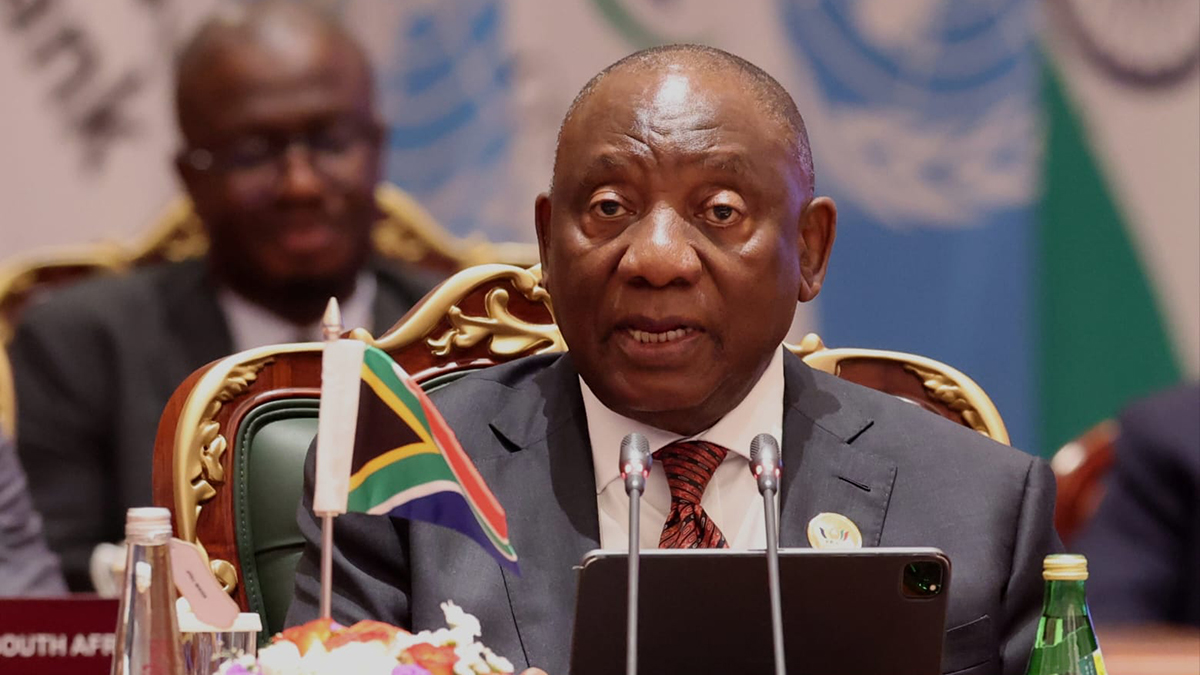
South Africa Leads BRICS Call for Global AI Governance and Independent Evaluation
South Africa, through President Cyril Ramaphosa, is advocating for a robust international framework for AI governance within the BRICS bloc, including independent scientific…
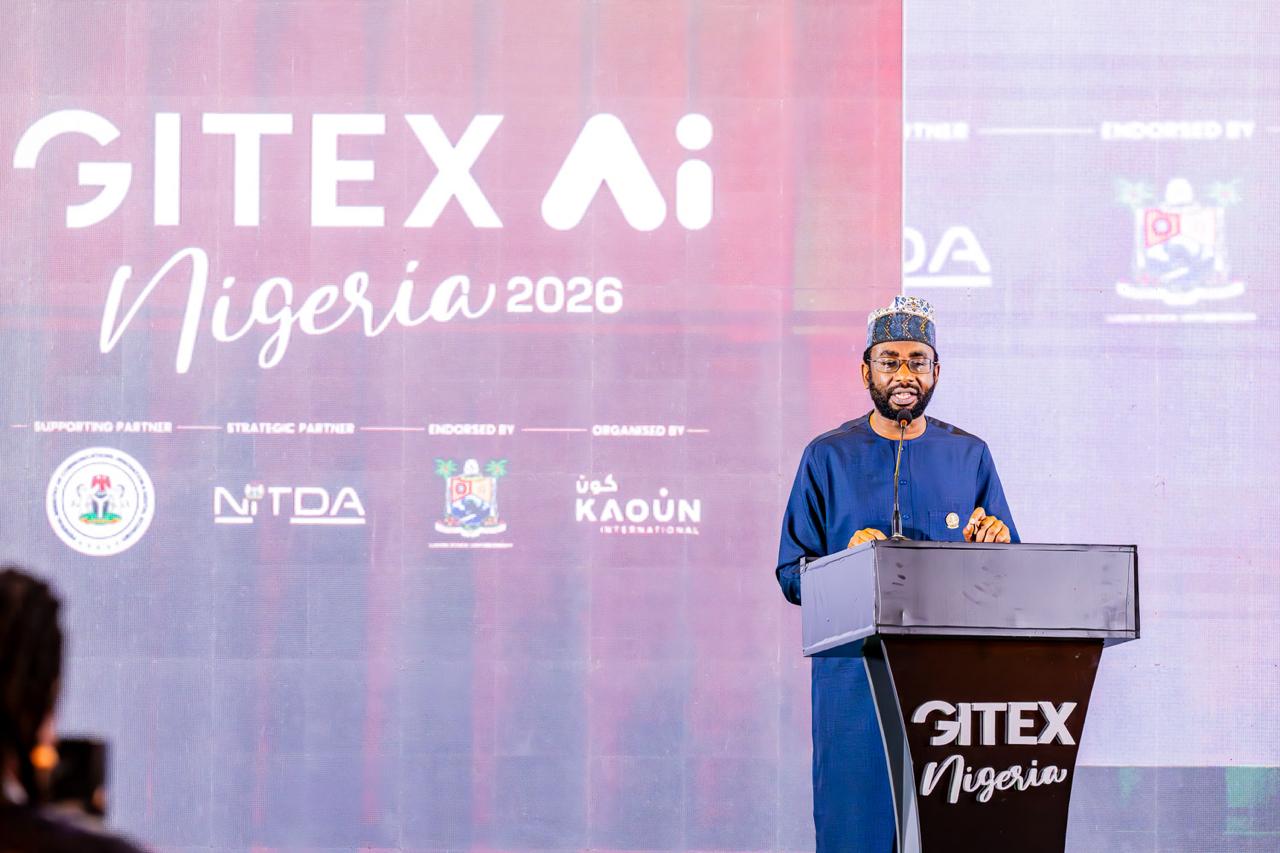
GITEX Nigeria Emphasizes Sovereign AI and Digital Transformation for a $1 Trillion Economy
GITEX Nigeria, a major tech and AI event, has launched in Abuja with a strong focus on advancing the nation's digital transformation and sovereign AI ambitions. Nigerian leaders…

Kenyan Political Operative Used Anthropic's Claude for AI-Generated Election Propaganda
A Kenyan political operative leveraged Anthropic's Claude AI to mass-produce social media propaganda ahead of the 2027 general election, praising government figures and targeting…

Anthropic Uncovers AI-Powered Political Influence Campaign in Kenya
A report by Anthropic details an AI-driven political influence operation in Kenya that used the Claude model to generate social media posts supporting the government and attacking…
The dispatch
One email a day. The AI stories shaping Africa.
Rewritten for clarity, sourced always. No spam; unsubscribe anytime.