South African Judge Investigated Over AI-Generated "Hallucinations" in Court Ruling
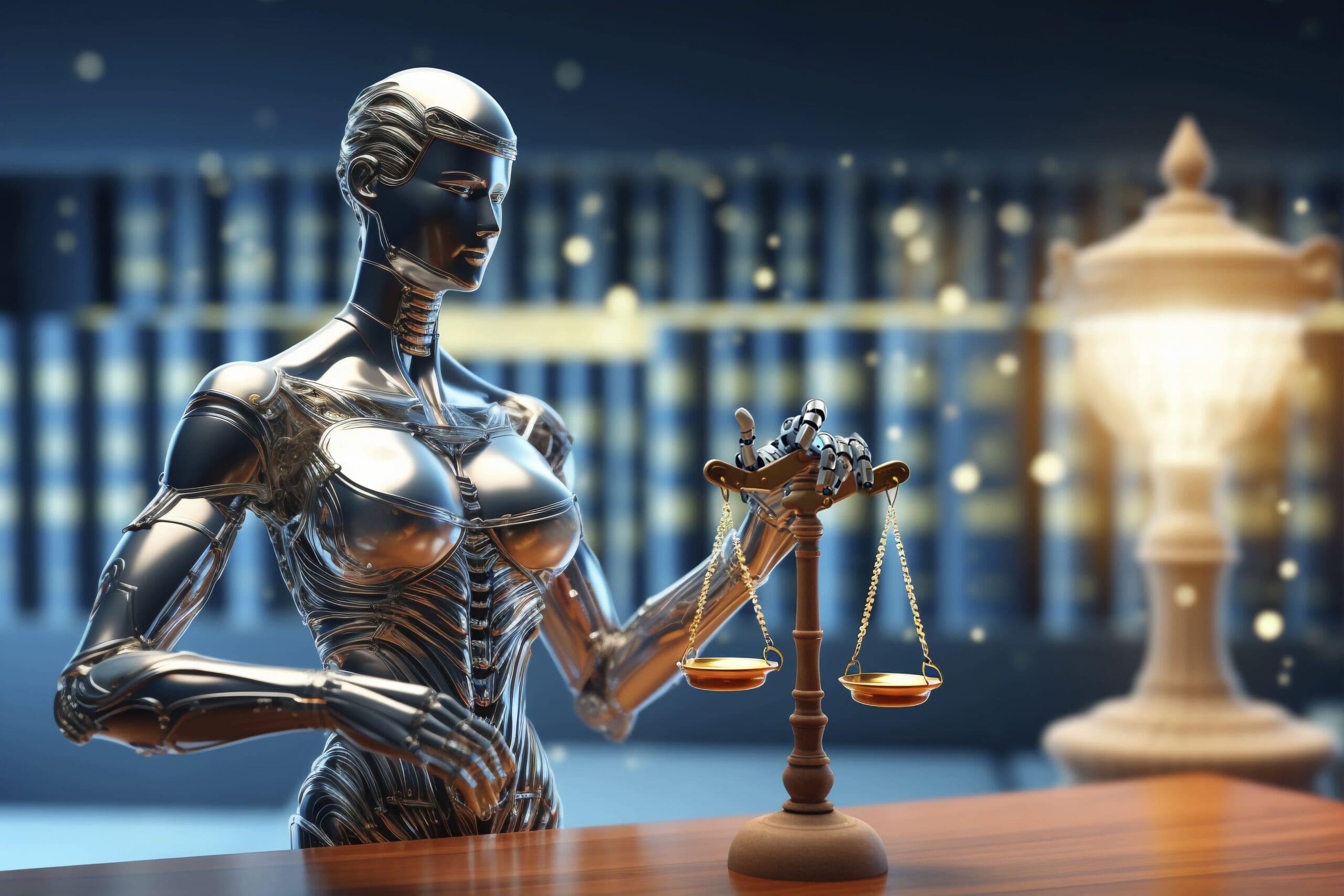
An acting judge in the Johannesburg High Court, Themba Khaba, is under scrutiny by the Legal Practice Council (LPC) for allegedly using artificial intelligence to draft a judgment. The ruling in question, which concerned a dispute between parents over their children's schooling, contained at least 11 "hallucinations" – citations of non-existent or irrelevant case law. While the appeal court upheld Khaba's ultimate findings, Judge Ingrid Opperman issued a separate ruling highlighting these discrepancies and suggesting AI as the most plausible explanation.
Judge Opperman's ruling meticulously detailed the 11 instances of incorrect citations, which were brought to the court's attention by the appellant's lawyers and confirmed by a senior librarian. She emphasized that while she made no definitive finding on AI use, the implications for independent judicial reasoning were significant. Opperman noted the lack of precedent in South Africa or most other countries where a judge, as opposed to lawyers, has been found to use AI in rulings, contrasting it with Lord Justice Colin Birss of the England and Wales Court of Appeal who publicly disclosed using ChatGPT as a drafting aid, subject to verification.
The case has prompted discussions within the South African judiciary about developing an AI policy to leverage its benefits while mitigating risks to justice administration. Opperman underscored that non-existent cases and jumbled quotes do not constitute law, and suggested that if the reasoning were truly AI-generated, it would infringe upon the litigants' rights to be heard by a human court. However, she stressed that Khaba must be afforded due process.
Crucially, the ruling also highlights a gap in accountability for acting judges in South Africa. The Judicial Service Commission (JSC) lacks direct authority over them. Opperman concluded that the LPC, which has disciplinary jurisdiction over advocates and attorneys, is the most effective forum for investigation. She will be forwarding her judgment to the LPC to initiate an inquiry into Khaba's conduct, which could amount to professional misconduct.
This incident marks a significant moment for the intersection of AI and law in Africa, raising critical questions about judicial integrity, accountability, and the responsible integration of advanced technologies within legal systems. It underscores the urgent need for clear guidelines and policies to govern AI use in judicial processes across the continent.
Source
More in policy

Mozambique Leads Africa with National AI Education Regulations
Mozambique is drafting pioneering national regulations for AI use across its entire education system, from primary to university, with a focus on generative AI. This makes it the…

South African Data Regulator Grapples with AI's Challenge to Privacy Laws
South Africa's Information Regulator (InfoReg) is navigating the complex privacy implications of AI, finding its existing data protection laws challenged by new technologies. The…
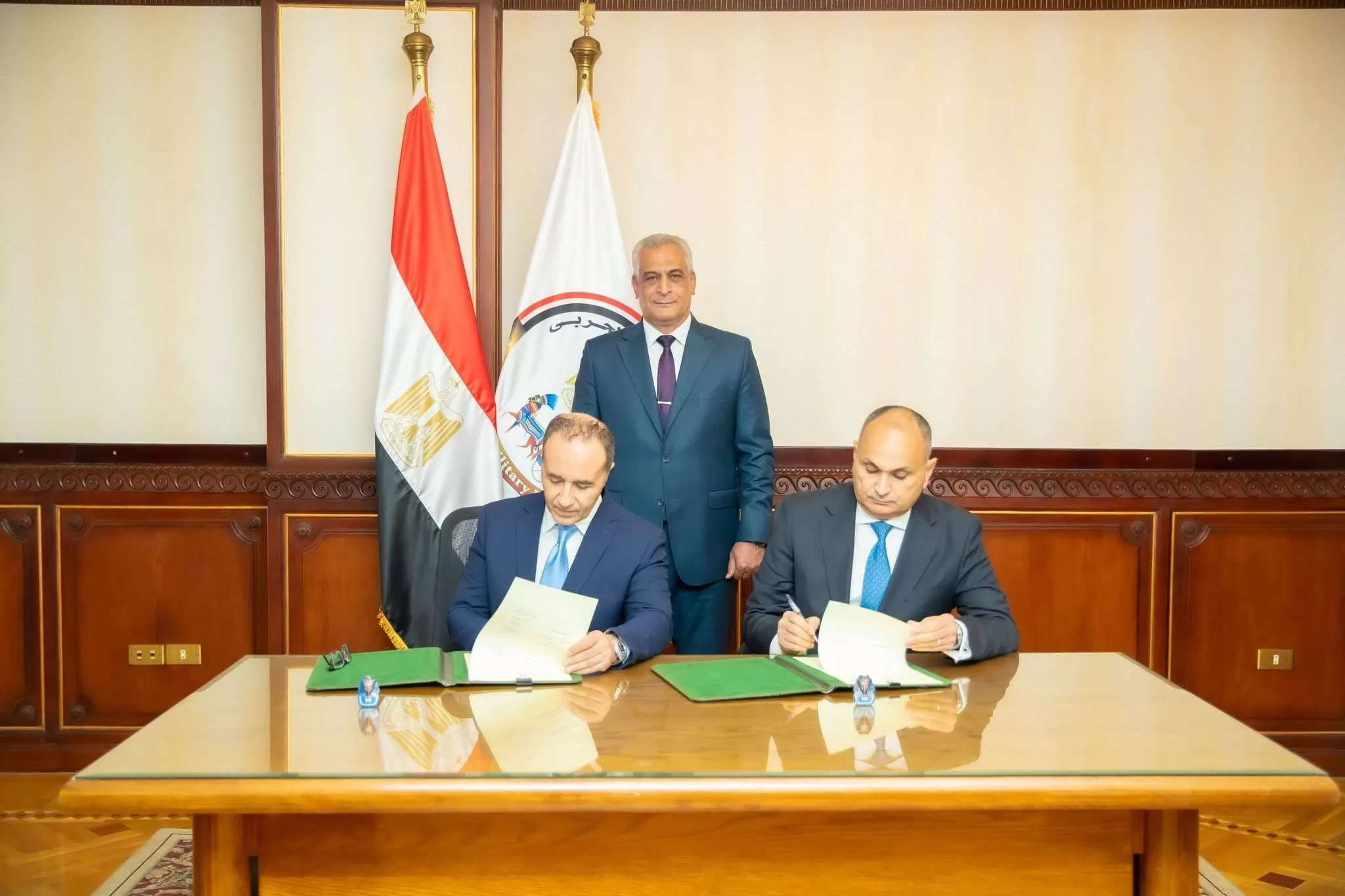
Egypt and Intel Launch Massive AI Skills Initiative Targeting One Million Citizens Annually
Egypt has partnered with Intel on a national initiative to train one million citizens annually in AI skills over three years. This program is a cornerstone of Egypt's National AI…

Gates Foundation Pledges $1 Billion for Equitable AI Development, Prioritizing Global Health and Opportunity
The Gates Foundation's $1 billion pledge for equitable AI development is highly relevant to Africa, focusing on global health, education, and agriculture, areas critical for the…
The dispatch
One email a day. The AI stories shaping Africa.
Rewritten for clarity, sourced always. No spam; unsubscribe anytime.