Kenyan Senate Committee Rejects Landmark AI Bill, Citing Concerns Over Penalties and Innovation

Kenya's pioneering Artificial Intelligence Bill 2026 has been rejected by the Senate's Information, Communication and Technology Committee. The committee expressed concerns that the proposed legislation, particularly its penalty provisions, was premature and could stifle the growth of Kenya's burgeoning digital ecosystem, often referred to as 'Silicon Savannah.' This decision leaves Kenya without a dedicated legal framework for AI, despite the bill's aim to provide clarity and protection in a rapidly evolving technological landscape.
The proposed bill sought to address critical issues such as algorithmic bias, deepfakes, and accountability in AI systems, areas not adequately covered by existing laws like the Data Protection Act, 2019. Proponents argued that a clear regulatory framework would foster trust among users, attract investment by providing predictable rules, and position Kenya as a leader in AI governance across Africa. It also aimed to establish an AI Commissioner and an Advisory Committee, alongside regulatory sandboxes to support local innovation.
The rejection creates a significant regulatory vacuum. Without specific AI legislation, questions of liability, transparency, and consumer protection remain unresolved, potentially leaving citizens vulnerable to the risks associated with AI deployment in critical sectors like credit, employment, and public services. Businesses and investors face continued uncertainty regarding future standards, which could hinder product development, funding, and international compliance efforts.
Furthermore, the decision delays institutional development, as the proposed Office of the AI Commissioner and regulatory sandboxes, intended to guide AI use in various sectors and support startups, will not be established. This means that counties already deploying AI in areas like healthcare and agriculture will continue to operate without a coherent governance structure, potentially slowing Kenya's ambition to lead in responsible AI innovation on the continent.
Source
More in policy
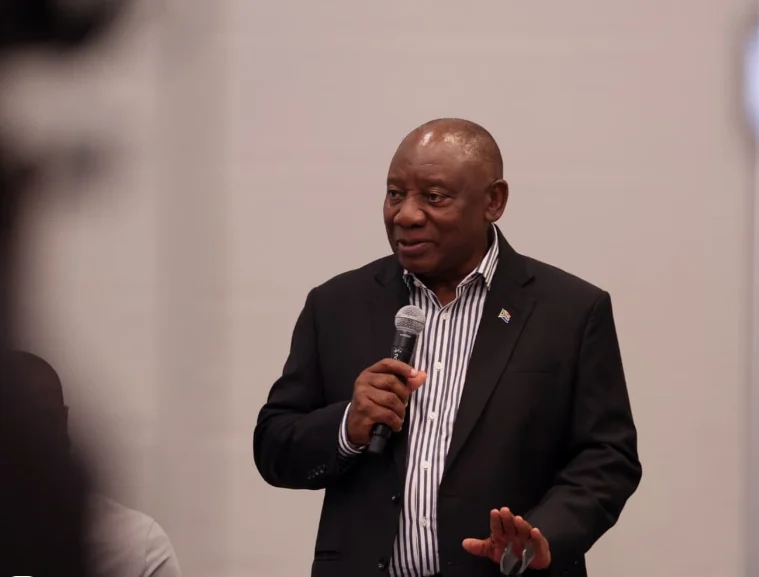
South Africa Plans R100m AI Fund and National Strategy Following Presidential Silicon Valley Visit
South African President Cyril Ramaphosa has backed plans for a R100 million venture capital fund to support local AI startups, and announced a 90-day plan to develop a National AI…
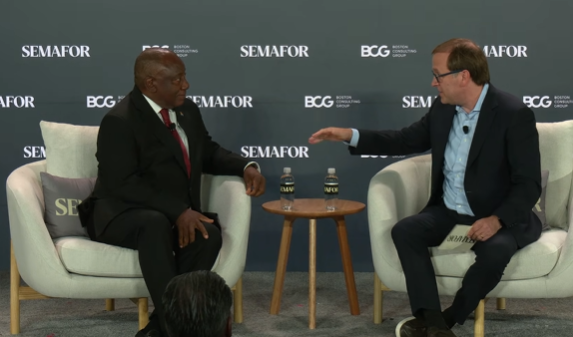
South Africa Seeks Active Role in Global AI Development, Not Just Consumption
South Africa is actively pursuing a leading role in the global AI economy, with President Ramaphosa engaging Silicon Valley to secure investments and partnerships for domestic AI…
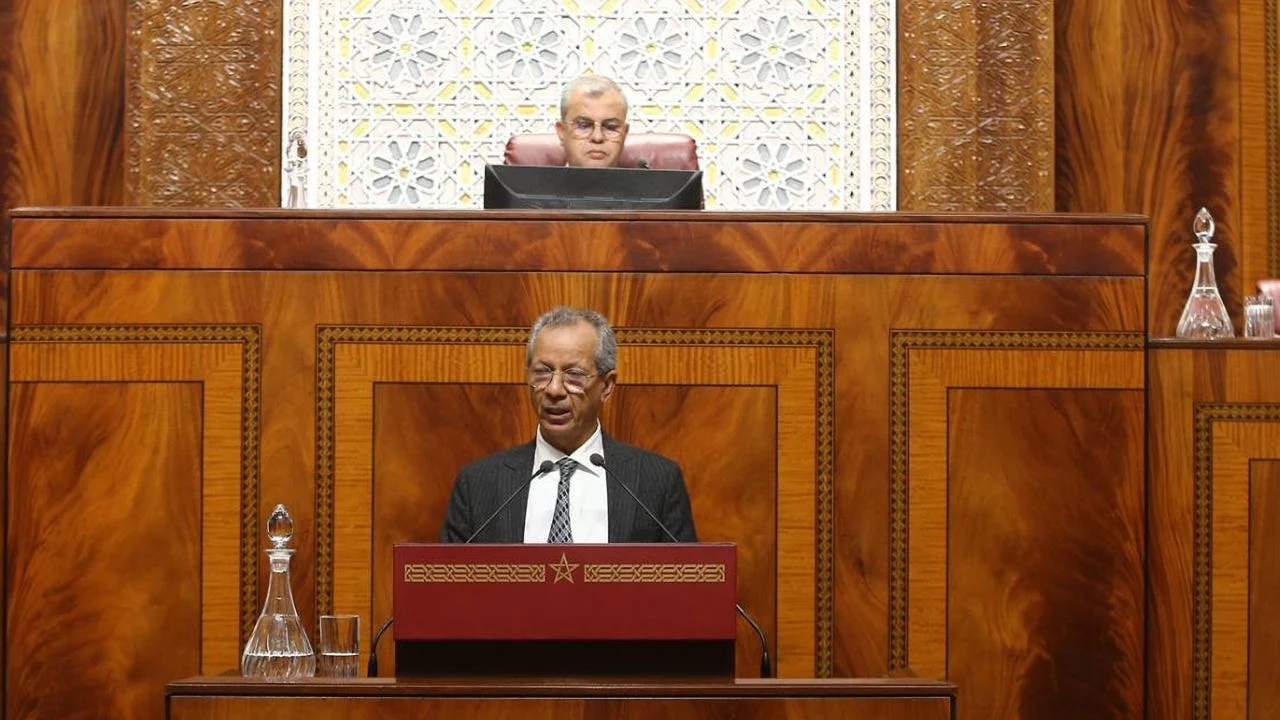
Morocco Establishes $256 Million AI Investment Fund, Outlines National Strategy
Morocco is launching a $256 million fund for AI startups as part of its ambitious "AI Made in Morocco" strategy. This national push aims to develop local AI capabilities, create…

African Nations Prioritize AI Infrastructure Over Regulatory Frameworks, Highlighting a 'Sovereign AI' Paradox
African nations are making substantial investments in AI infrastructure, with Cassava Technologies leading a major deployment of NVIDIA GPUs across several key countries. However,…
The dispatch
One email a day. The AI stories shaping Africa.
Rewritten for clarity, sourced always. No spam; unsubscribe anytime.