Google Expands Free AI Access for African University Students to 27 Countries
Google has significantly expanded its free AI Plus subscription offering for university and college students across Africa, growing from six to 27 eligible countries. This initiative, available from August 25th, provides students with access to advanced Gemini AI tools, including Gemini Omni, increased usage limits, and 400GB of cloud storage across Google services. The expansion notably includes several Francophone West African nations for the first time, such as Benin, Burkina Faso, Côte d'Ivoire, and Senegal, marking a strategic move to broaden AI accessibility in previously less-served markets.
The Gemini tools are designed to support academic endeavors, featuring a Student Hub for organization, practice quizzes, and learning tools. Students can upload lecture notes and syllabi to Study Notebooks, allowing Gemini to break down complex topics, identify knowledge gaps, and generate customized lessons and quizzes. The platform also offers features like 3D model generation, simulations, and conversational research assistance through Gemini Live and Deep Research, aiming to enhance critical thinking and problem-solving skills rather than simply providing answers.
Alex Okosi, Google's managing director for Africa, emphasized the program's goal of improving student employability by equipping them with essential AI skills for future careers. This expansion comes at a time when many African universities are grappling with how to integrate generative AI responsibly into their academic frameworks. Institutions in South Africa, for example, have moved away from AI detection software due to bias concerns, favoring disclosure requirements and AI literacy instead. Makerere University has also hosted webinars on responsible AI in research.
The deployment of these powerful AI tools, while beneficial for student learning, precedes the establishment of comprehensive institutional policies on AI usage. This creates a scenario where students gain access to advanced AI capabilities before universities have fully defined guidelines for disclosure, assessment, and academic integrity. Google maintains that these policy decisions rest with the educational institutions themselves, highlighting a growing tension between rapid technological advancement and the slower pace of policy development in African higher education.
Source
More in tools
Viamo Launches Offline AI Voice Platform in Ghana to Bridge Digital Divide
Viamo has launched the 231 Voice Platform in Ghana, offering offline AI access via toll-free phone calls to millions without smartphones or internet. This initiative uses basic…
Tether AI Unveils Offline Translation Models for 19 African Languages, Benchmarked by Peer Review
Tether AI Research has released open-source, offline translation models for 19 African languages, designed to run on basic smartphones without internet access. This addresses…

New Offline AI Diagnostic Tool Promises to Transform Healthcare in Rural Sub-Saharan Africa
Aletheia is an offline-first AI clinical decision support system specifically designed for low-resource healthcare settings in sub-Saharan Africa. It was fine-tuned on a dataset…
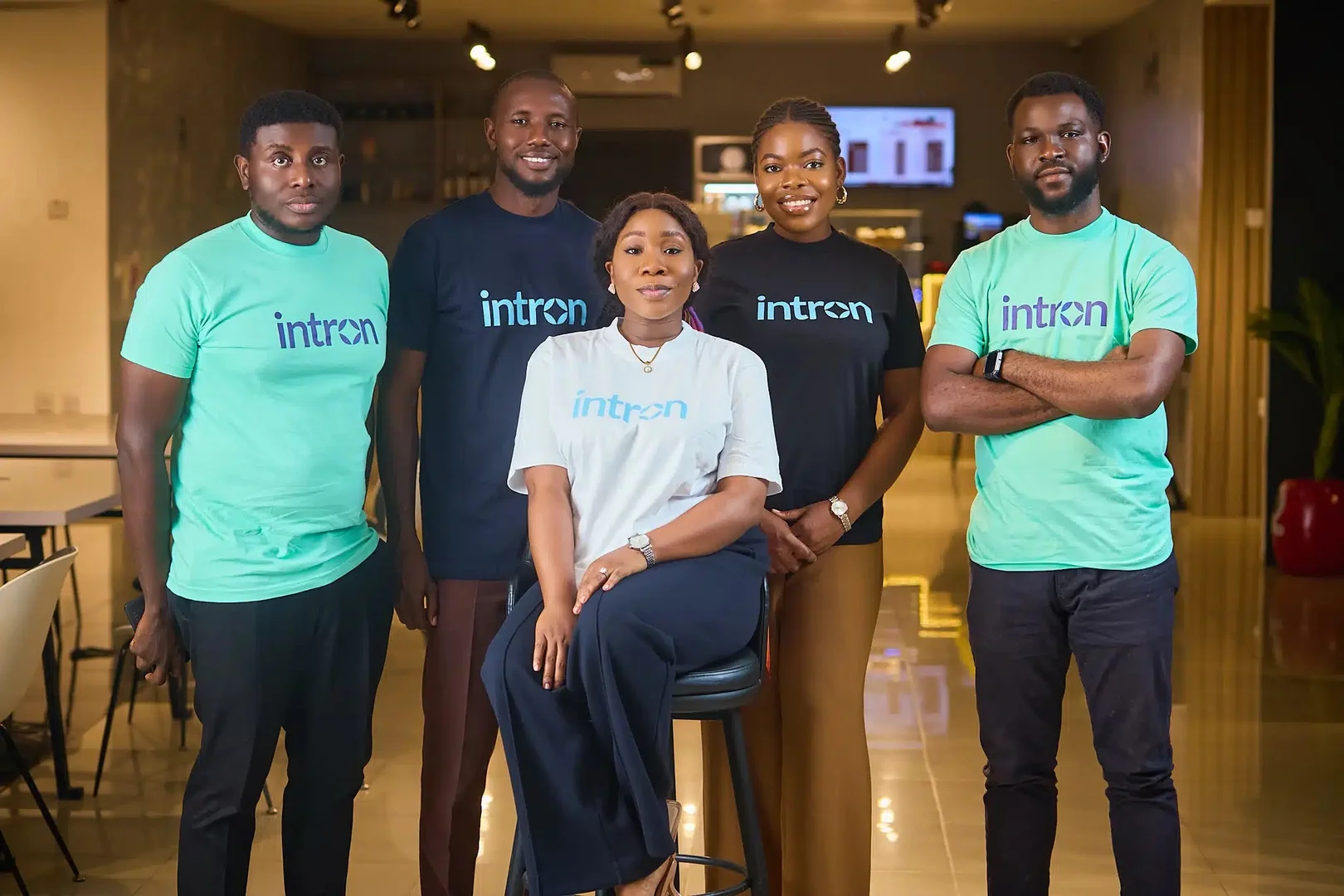
Intron's Sahara v2.5 Enhances African Language AI with Mid-Sentence Code-Switching and Igbo/Hausa Voice Generation
Nigerian voice AI company Intron has released Sahara v2.5, which now supports mid-sentence language switching across around 20 African languages and offers voice generation in…
The dispatch
One email a day. The AI stories shaping Africa.
Rewritten for clarity, sourced always. No spam; unsubscribe anytime.