South Africa's Stricter Compliance Rules Challenge AI-Driven KYC Solutions

The regulatory landscape in South Africa is undergoing a significant transformation, particularly with the Financial Intelligence Centre's (FIC) Directive 11. This directive moves beyond merely requiring anti-money laundering (AML) and counter-terrorism financing (CTF) controls, demanding detailed documentation and auditable evidence of how these controls function and how risks are managed. This shift fundamentally challenges many AI-powered Know Your Customer (KYC) tools currently on the market, which often prioritize speed and user experience over the rigorous auditability now required by regulators.
Many vendors are rebranding existing onboarding tools as "AI-powered compliance solutions," focusing on metrics like faster onboarding and reduced friction. However, the article argues that while AI can accelerate compliance processes, it cannot replace a comprehensive compliance program. Regulators, especially in South Africa, are less concerned with speed and more with the defensibility of risk ratings, the completeness of validation journeys, and the documented logic behind every decision made by an AI system.
The urgency of this issue is underscored by a dramatic increase in deepfake fraud in South Africa, which surged by over 269% year-on-year in 2025. South African banks are reportedly losing significant amounts to fraud, indicating that sophisticated attackers are exploiting weaknesses between AI tools and human oversight. This highlights that adopting AI technology without robust governance creates significant financial and regulatory exposure.
The article emphasizes that true compliance maturity requires more than just purchasing an AI KYC product. It necessitates a strong AI governance framework where AI systems produce auditable outputs, align with regulatory definitions, and operate within an inspectable framework. Adherence to emerging standards like ISO 42001 for AI management systems is increasingly crucial for vendors, ensuring transparency, accountability, and ongoing oversight of AI-driven decisions. Companies that navigate this period successfully will be those deploying AI rigorously, making their compliance programs sharper and more defensible, rather than using AI as a shortcut.
Source
More in policy

South Africa Leads BRICS Call for Global AI Governance and Independent Evaluation
South Africa, through President Cyril Ramaphosa, is advocating for a robust international framework for AI governance within the BRICS bloc, including independent scientific…
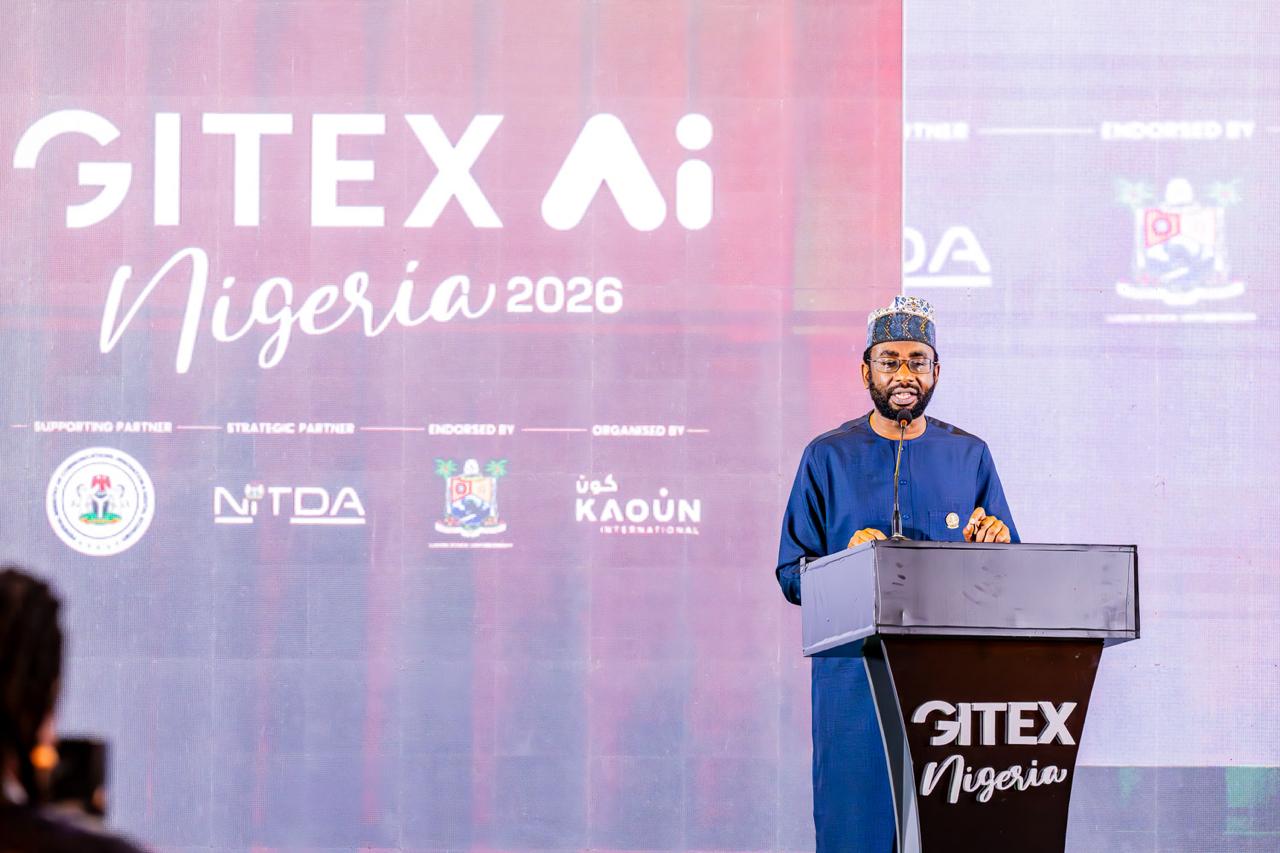
GITEX Nigeria Emphasizes Sovereign AI and Digital Transformation for a $1 Trillion Economy
GITEX Nigeria, a major tech and AI event, has launched in Abuja with a strong focus on advancing the nation's digital transformation and sovereign AI ambitions. Nigerian leaders…

Kenyan Political Operative Used Anthropic's Claude for AI-Generated Election Propaganda
A Kenyan political operative leveraged Anthropic's Claude AI to mass-produce social media propaganda ahead of the 2027 general election, praising government figures and targeting…

Anthropic Uncovers AI-Powered Political Influence Campaign in Kenya
A report by Anthropic details an AI-driven political influence operation in Kenya that used the Claude model to generate social media posts supporting the government and attacking…
The dispatch
One email a day. The AI stories shaping Africa.
Rewritten for clarity, sourced always. No spam; unsubscribe anytime.