South Africa's Justice Minister Warns AI Trained on Foreign Data Risks 'Digitized Racial Segregation'
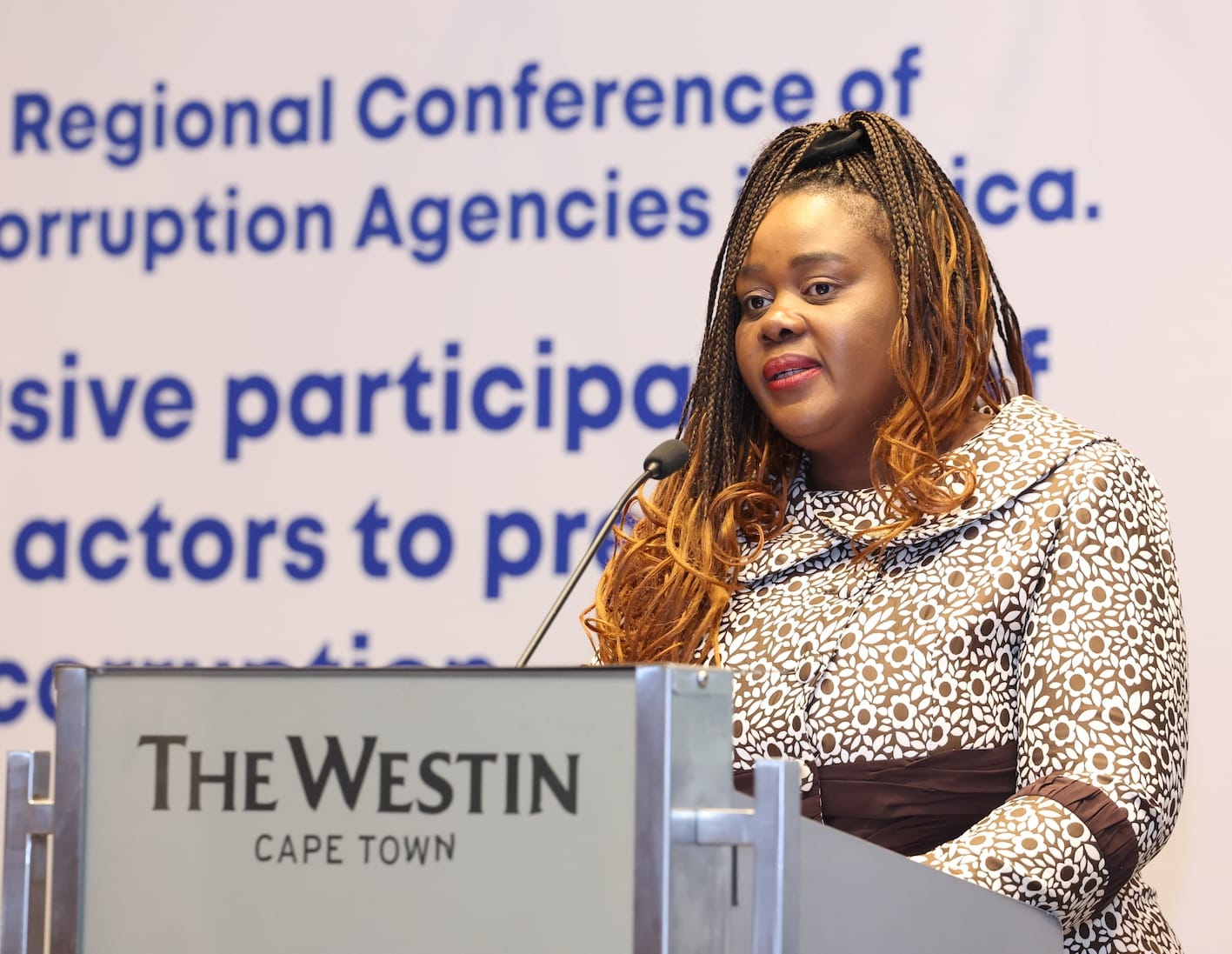
South African Minister of Justice and Constitutional Development, Mmamoloko Kubayi, has issued a stark warning regarding artificial intelligence systems predominantly trained on foreign datasets. Speaking at the University of Johannesburg's "AI and the Law" conference, Kubayi highlighted the danger of these systems perpetuating racial bias and undermining South Africa's constitutional vision for transformation and social justice. She emphasized that without incorporating local historical context, particularly related to the country's apartheid past, AI could inadvertently widen existing inequalities rather than bridge them.
The minister pointed out that current AI models largely exclude African data, including archives, languages, and cultural nuances, which are predominantly sourced from North America and Asia. This exclusion, she argued, contributes to "data poverty" and algorithmic bias, leading to practical issues like inaccurate language translation for African languages and, more critically, the deployment of AI systems that are "totally devoid of our historical context as a country."
Kubayi drew a direct parallel to South Africa's constitutional project, which was designed to heal past divisions and establish a foundation for social justice after decades of racial segregation. She challenged the audience to consider how to ensure technological progress does not inadvertently lead to a new form of "digitised racial segregation," questioning whether AI biased against local contexts could genuinely contribute to a just society or instead increase injustice.
Despite these serious concerns, Kubayi acknowledged AI's significant potential to enhance access to justice. She noted that AI-powered tools could dramatically reduce legal costs, shorten case resolution times, and automate repetitive legal processes, thereby addressing long-standing barriers such as prohibitive expenses and geographical remoteness from legal services.
Ultimately, the minister called upon universities and legal professionals to actively engage with these tensions. She urged the conference to explore how AI can be ethically harnessed to advance the Sustainable Development Goals through law, governance, and practice, stressing the need for solutions that are transparent, accountable, and reflective of South Africa's unique societal fabric.
Source
More in policy
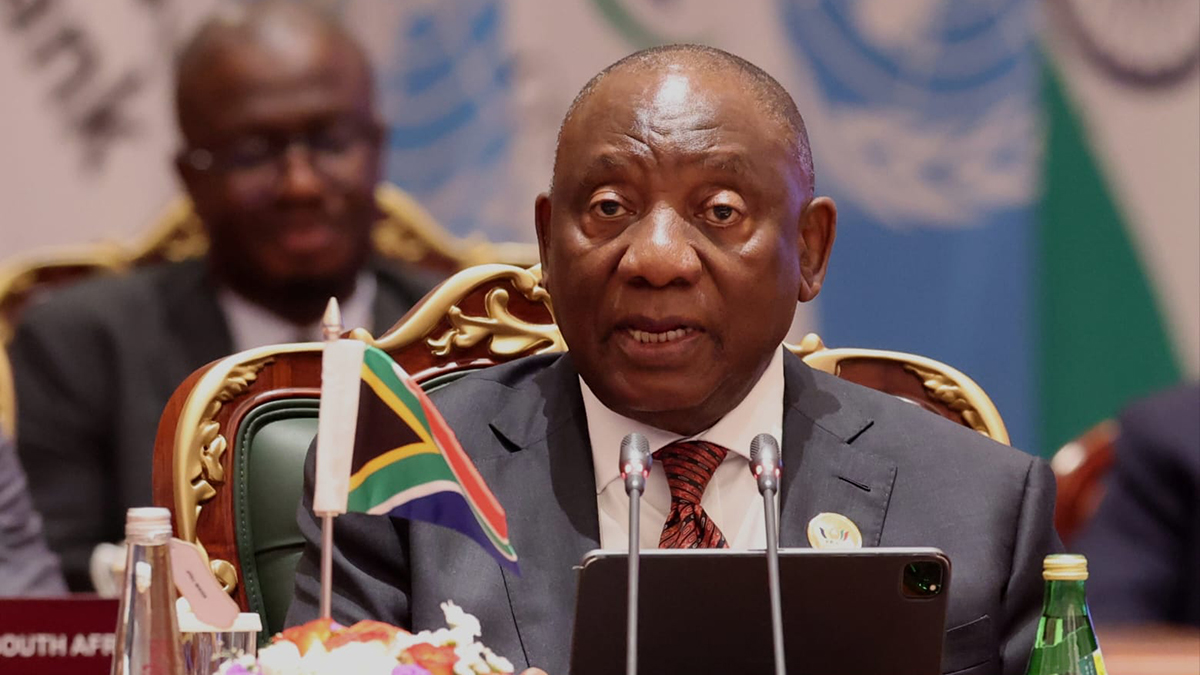
South Africa Leads BRICS Call for Global AI Governance and Independent Evaluation
South Africa, through President Cyril Ramaphosa, is advocating for a robust international framework for AI governance within the BRICS bloc, including independent scientific…
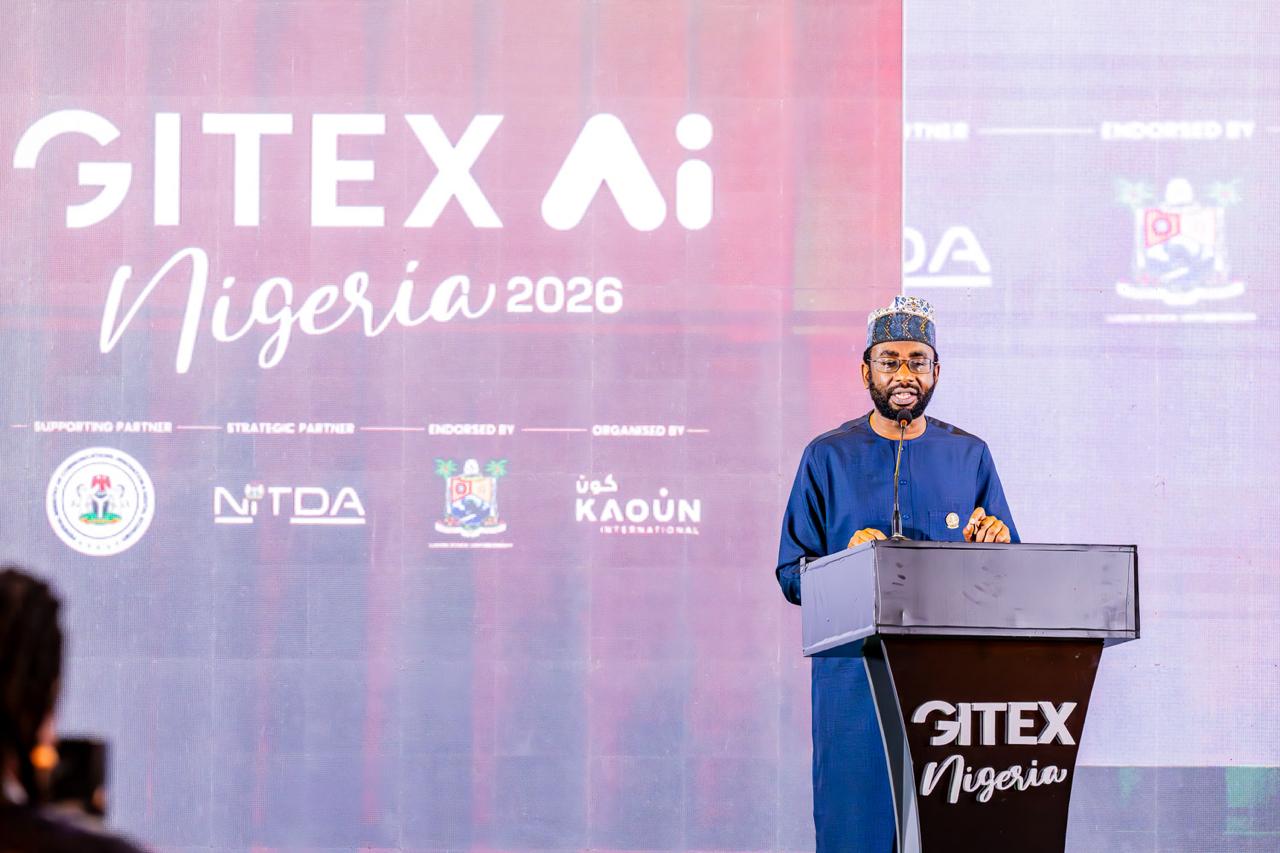
GITEX Nigeria Emphasizes Sovereign AI and Digital Transformation for a $1 Trillion Economy
GITEX Nigeria, a major tech and AI event, has launched in Abuja with a strong focus on advancing the nation's digital transformation and sovereign AI ambitions. Nigerian leaders…

Kenyan Political Operative Used Anthropic's Claude for AI-Generated Election Propaganda
A Kenyan political operative leveraged Anthropic's Claude AI to mass-produce social media propaganda ahead of the 2027 general election, praising government figures and targeting…

Anthropic Uncovers AI-Powered Political Influence Campaign in Kenya
A report by Anthropic details an AI-driven political influence operation in Kenya that used the Claude model to generate social media posts supporting the government and attacking…
The dispatch
One email a day. The AI stories shaping Africa.
Rewritten for clarity, sourced always. No spam; unsubscribe anytime.