African Voices Champion Local AI Development and Data Ownership

An ICT Editors Xchange, hosted by Huawei in Johannesburg, centered on the theme "Africa's Intelligence, Africa's Terms," brought together industry leaders and academics to discuss the continent's strategic approach to artificial intelligence. A consensus emerged that Africa's AI future hinges on developing systems trained on local data, incorporating indigenous languages, and establishing owned cloud infrastructure to support these innovations. This proactive stance is seen as crucial for ensuring Africa's relevance in the global AI landscape.
A key concern highlighted by Gift Lubele, CEO of AuraaAfrica, was the severe underrepresentation of African data in global AI models. He noted that less than 0.04% of data used to train AI music models originates from Africa, with the vast majority being Western. Lubele warned that this disparity threatens African cultural presence in the AI era, advocating for a shift towards the creation and ownership of African datasets rather than merely consuming externally developed AI. His company recently won a Huawei innovation prize, demonstrating local potential.
Further emphasizing the linguistic challenge, Dr. Olaperi Okuboyejo from the University of Pretoria pointed out the poor performance of mainstream AI tools in African languages. She linked this to broader educational issues in South Africa, where a significant percentage of young learners struggle with reading comprehension. Her research focuses on building indigenous-language datasets and pan-African language models to address this critical gap and ensure AI can serve the continent's diverse linguistic needs.
Huawei South Africa's deputy CEO, Charles Cheng, reinforced the call for Africa to define its own intelligence. He articulated a vision where AI systems are tailored to African realities and needs, fostering innovation across various sectors from small businesses to healthcare. Cheng stressed that the continent's digital transformation would be driven by local ownership of platforms, data autonomy, and the inclusion of African languages, ensuring that AI development genuinely serves the continent's value creation.
The discussions collectively underscored the urgent need for Africa to assert its agency in the AI revolution. By prioritizing local data, language integration, and infrastructure ownership, African nations can move beyond being mere consumers of technology to becoming significant contributors and beneficiaries, safeguarding their cultural heritage and driving economic growth on their own terms.
Source
More in policy
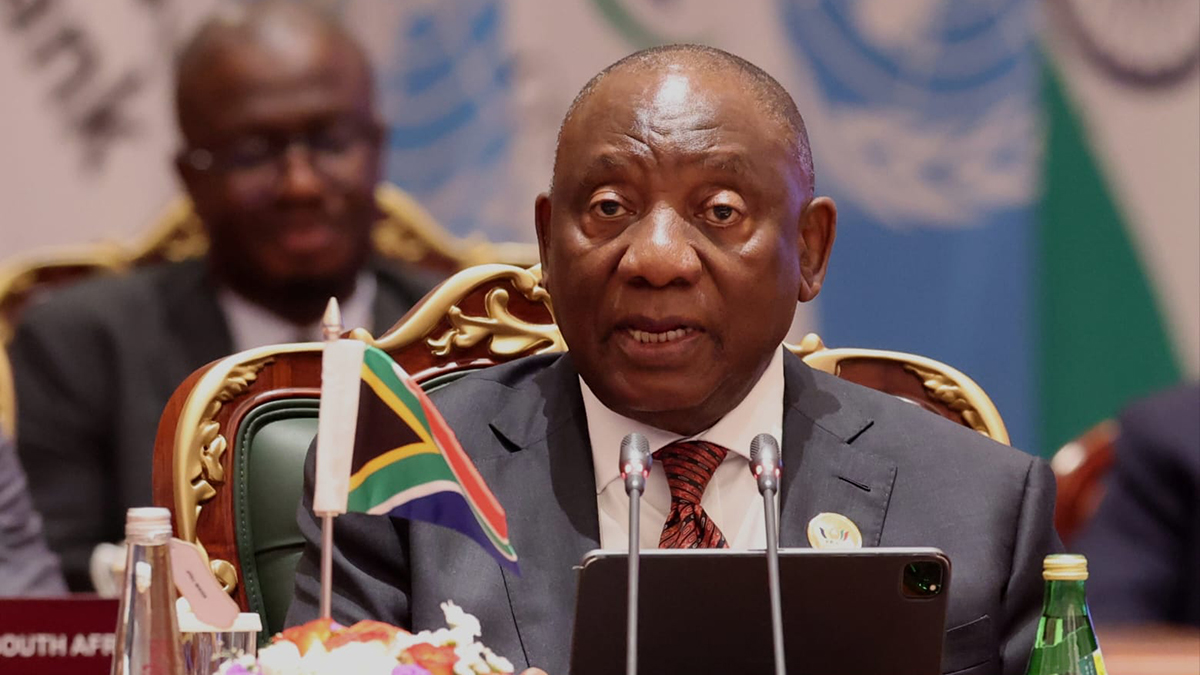
South Africa Leads BRICS Call for Global AI Governance and Independent Evaluation
South Africa, through President Cyril Ramaphosa, is advocating for a robust international framework for AI governance within the BRICS bloc, including independent scientific…
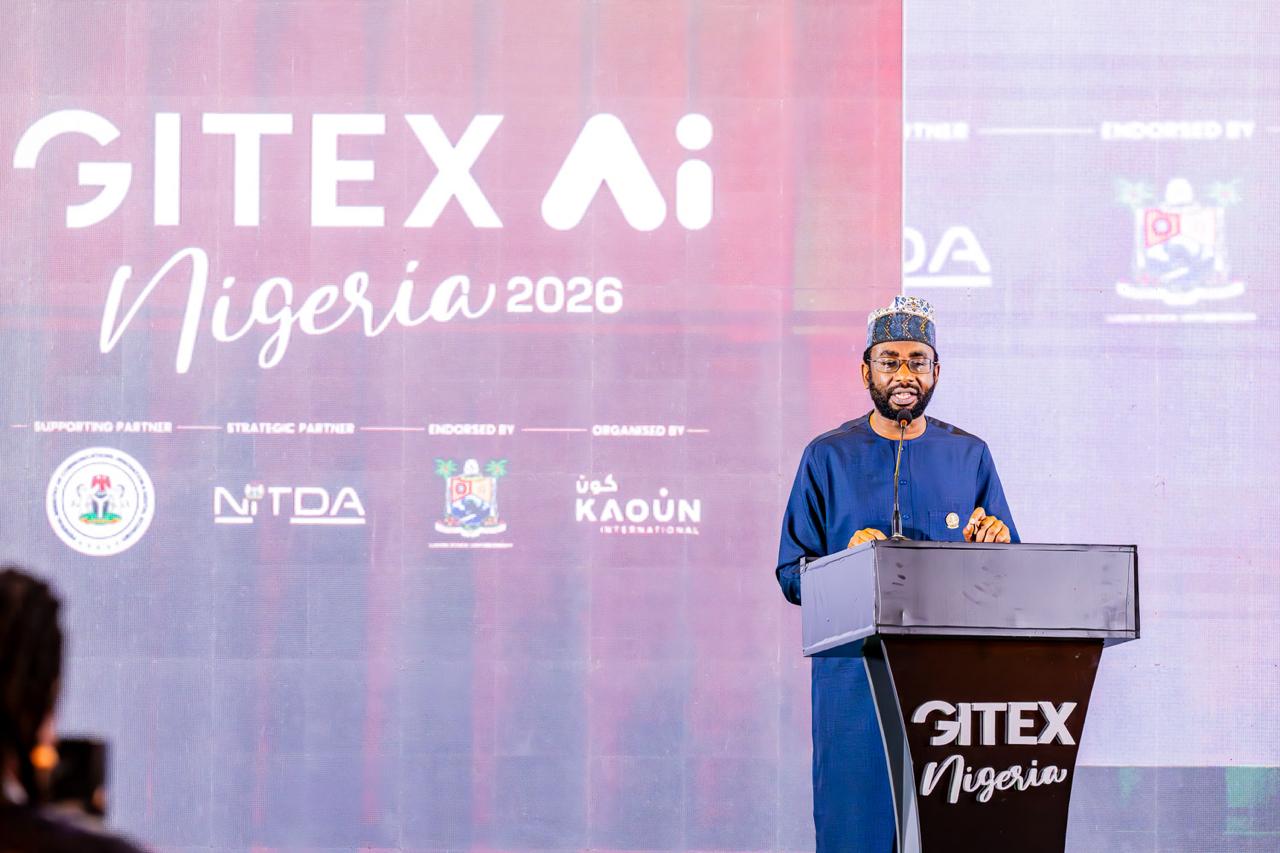
GITEX Nigeria Emphasizes Sovereign AI and Digital Transformation for a $1 Trillion Economy
GITEX Nigeria, a major tech and AI event, has launched in Abuja with a strong focus on advancing the nation's digital transformation and sovereign AI ambitions. Nigerian leaders…

Kenyan Political Operative Used Anthropic's Claude for AI-Generated Election Propaganda
A Kenyan political operative leveraged Anthropic's Claude AI to mass-produce social media propaganda ahead of the 2027 general election, praising government figures and targeting…

Anthropic Uncovers AI-Powered Political Influence Campaign in Kenya
A report by Anthropic details an AI-driven political influence operation in Kenya that used the Claude model to generate social media posts supporting the government and attacking…
The dispatch
One email a day. The AI stories shaping Africa.
Rewritten for clarity, sourced always. No spam; unsubscribe anytime.