African AI Startups Flourish, But Need More Capital and Infrastructure, Says Google
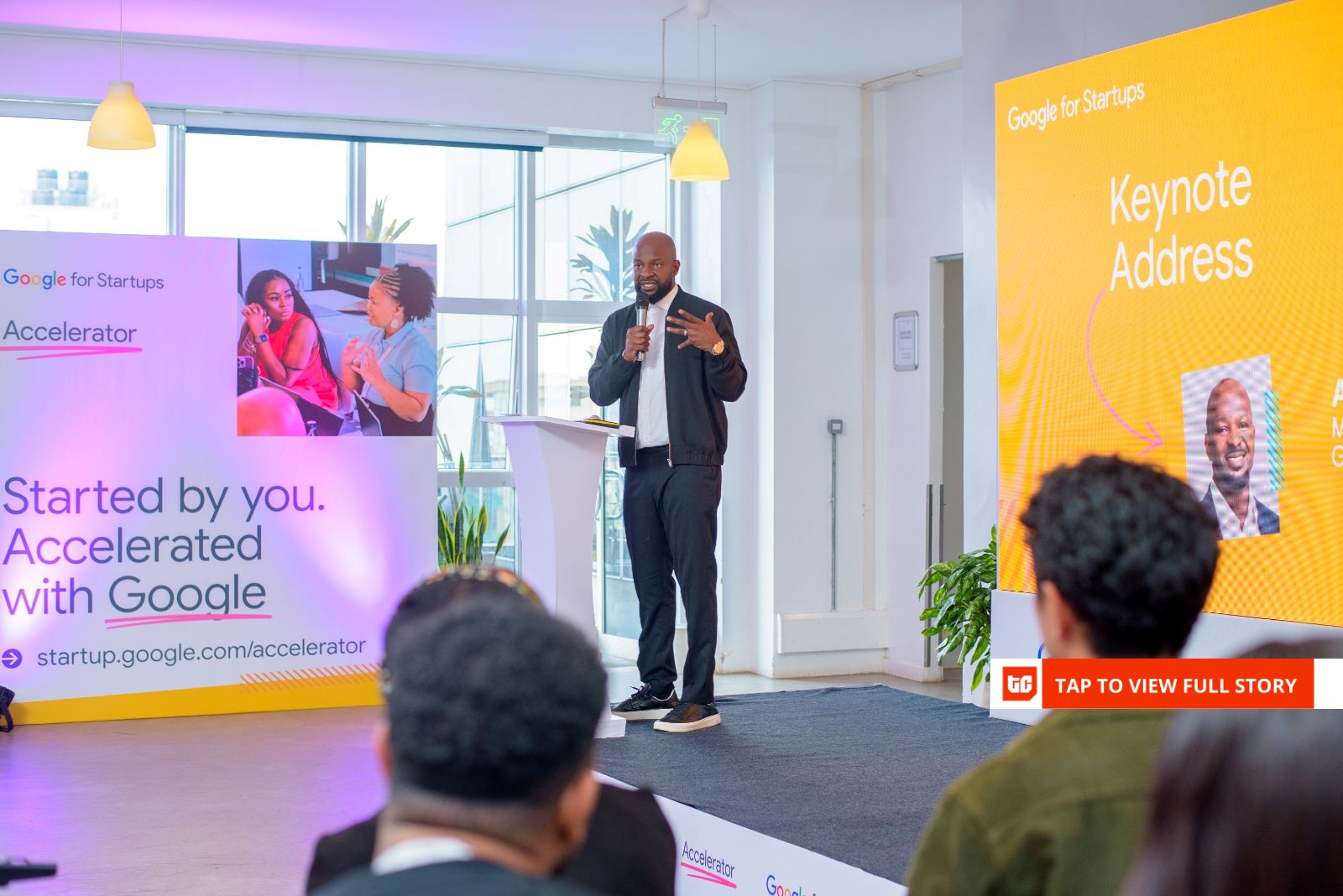
Google recently celebrated the graduation of fifteen promising startups from its Accelerator Africa program in Nairobi, representing eight different African nations. A significant majority of these ventures are integrating artificial intelligence into their core services, spanning critical sectors like financial transactions, logistics, agriculture, healthcare, and enterprise software. Impressively, 60% of this cohort is already profitable, generating substantial monthly revenues, showcasing a clear shift from mere AI experimentation to practical, market-driven solutions across the continent.
Despite this evident innovation, a crucial challenge remains: securing sufficient investment and robust infrastructure to scale these AI-powered businesses. Alex Okosi, Google's managing director for Africa, highlighted that while African founders are enthusiastically adopting AI to solve local problems, the necessary capital and foundational support have not kept pace. This disparity is critical, especially considering projections from the African Development Bank which suggest AI could inject an additional $1.5 trillion into Africa's economy by 2035, potentially creating numerous jobs and significantly boosting productivity.
Okosi identified infrastructure as a primary bottleneck for large-scale AI development. This includes reliable internet connectivity, requiring significant investment in projects like subsea cables, and critically, expanding cloud infrastructure and data center capacity. Africa currently possesses only about one percent of global data center capacity, often forcing developers to process data outside the continent. Addressing this requires collaborative efforts from governments, technology firms, and other stakeholders to build local capacity and ensure AI solutions can be developed and deployed efficiently within Africa.
Google's commitment extends beyond accelerators, as it actively works to demystify AI and integrate it into various business models, even for startups not exclusively focused on AI. The company supports this through extensive training programs, including recent grants totaling over $13 million aimed at enhancing AI and digital skills for civil servants, non-profit leaders, and a broader African populace. By offering non-equity support to accelerator participants, Google aims to foster a thriving digital ecosystem, empowering African founders to build globally competitive companies and unlock the continent's immense technological potential.
Source
More in business

Egyptian AI Firm Synapse Analytics Secures $13M Series A to Expand Financial Decisioning Platform Across Africa
Egyptian AI firm Synapse Analytics has secured $13 million in Series A funding to expand its financial decisioning platform across Africa. The company's technology helps financial…
Nigerian Cybersecurity Startup Aeon Secures $1 Million Pre-Seed for AI-Powered Defence Platform
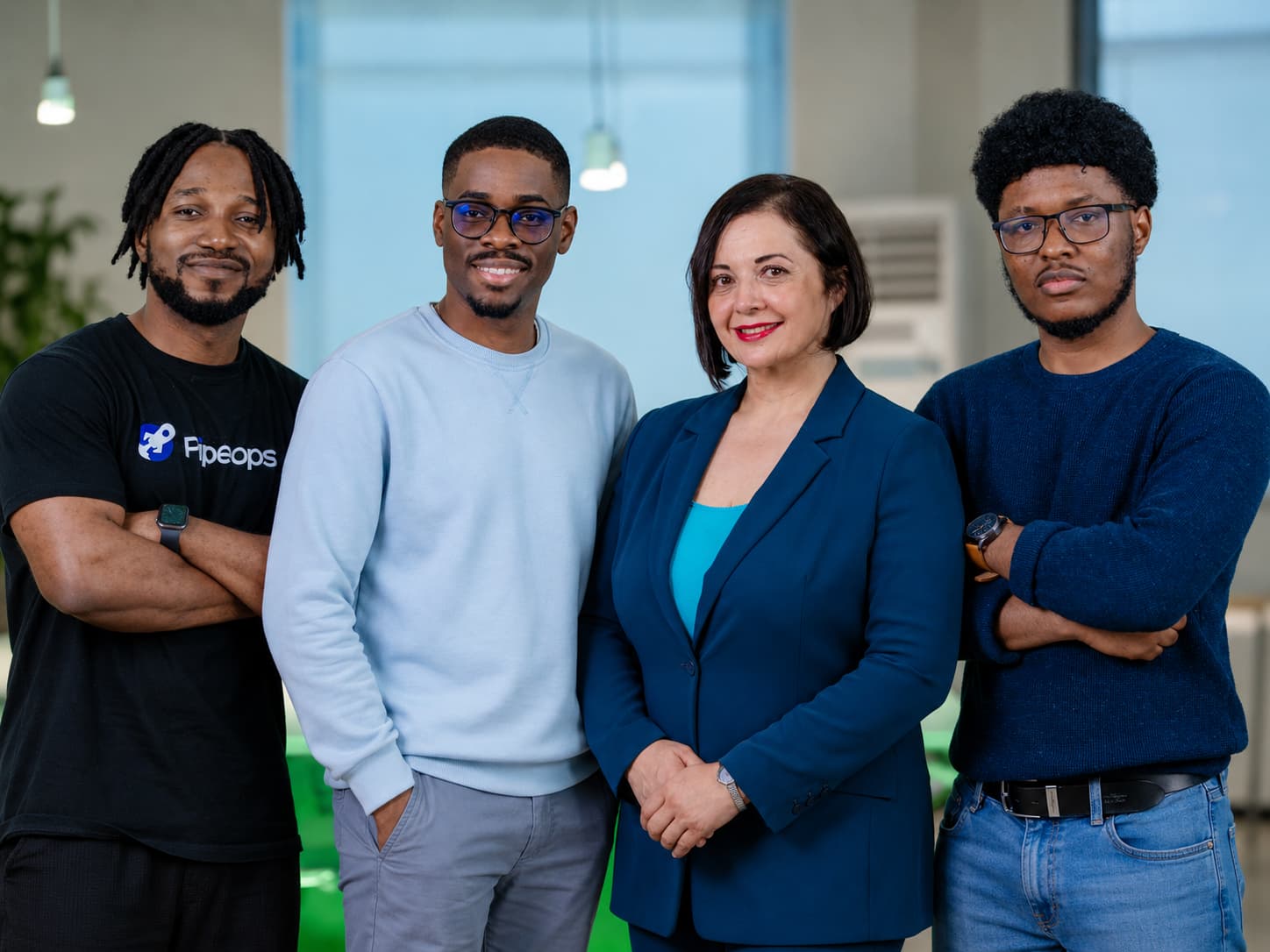
Nigerian startup Aeon has raised $1 million in pre-seed funding to develop its AI-powered cyberdefence platform, targeting high-trust organizations in the Global South. The…
Kenyan Agri-Insurtech Pula Named Earthshot Prize Finalist for Climate Resilience in African Farming
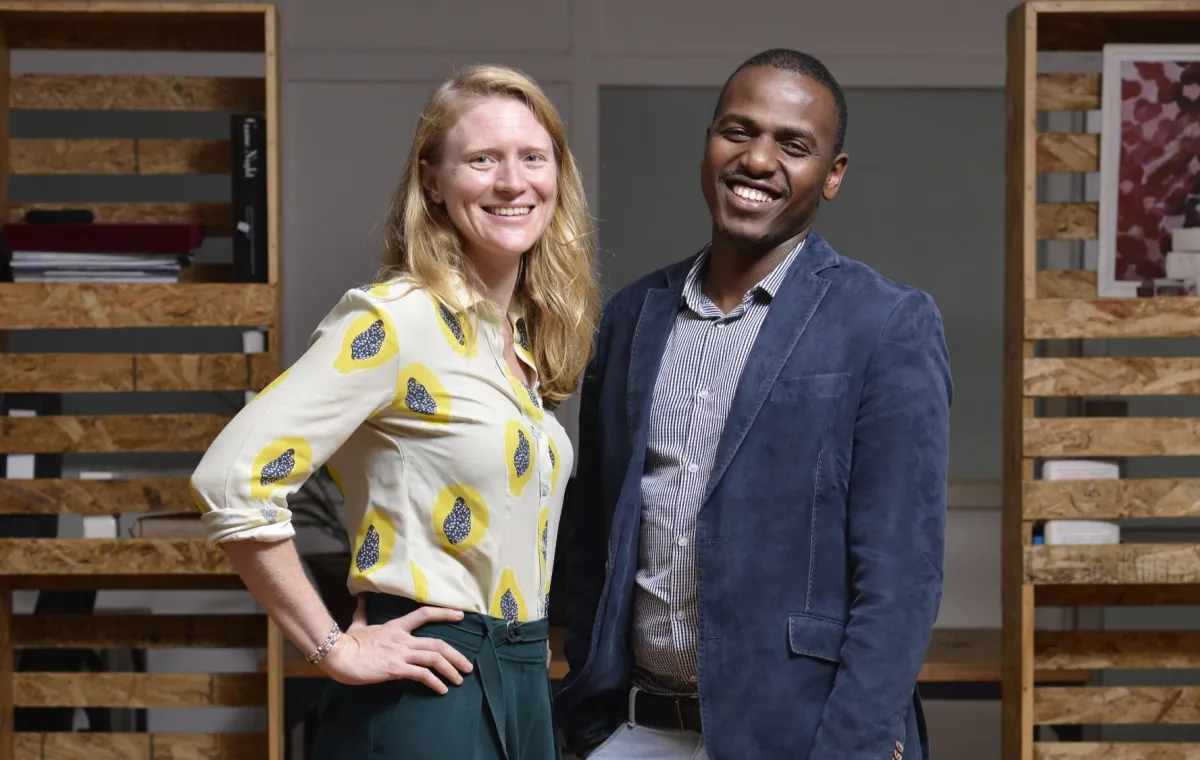
Kenyan climate-risk and agri-tech firm Pula has been named an Earthshot Prize finalist for its innovative parametric insurance, which uses satellite data to protect 24 million…

South African Banks Integrate AI for Efficiency and Customer Service, Shifting Focus to ROI
South Africa's leading banks are strategically integrating AI into daily operations, moving beyond initial adoption to focus on tangible business outcomes like efficiency, fraud…
The dispatch
One email a day. The AI stories shaping Africa.
Rewritten for clarity, sourced always. No spam; unsubscribe anytime.