Durban University of Technology Hosts Inaugural African DataScientia Symposium, Launches Continental Sovereign AI Living Lab
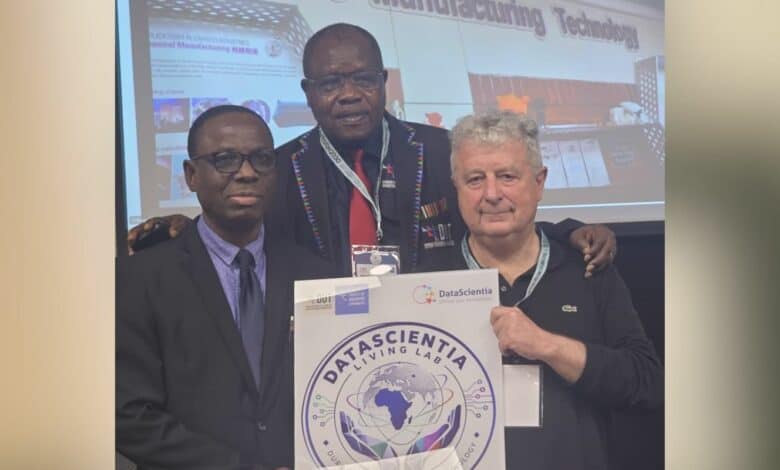
The Durban University of Technology (DUT) has become the first African institution to host the DataScientia International Symposium, a global research gathering previously held exclusively in Europe. This landmark event was utilized to launch the first DataScientia Living Lab on the African continent, signaling a significant step towards positioning Africa at the forefront of ethical and human-centered AI development.
The three-day symposium, themed "Diversity-Aware Sovereign AI," brought together over 200 delegates from more than 50 institutions globally, including academics, policymakers, and industry experts. The DataScientia Living Lab, launched concurrently, is designed as an open-innovation ecosystem where diverse stakeholders across Africa can collaborate to co-create, prototype, and validate AI-driven products and services aimed at improving human life.
A central focus of the broader DataScientia initiative is a flagship global research project to digitize over 7,000 human languages. This ambitious undertaking seeks to build AI-powered language technologies that enable communication in indigenous languages, thereby preserving cultural and linguistic heritage. This effort resonates deeply with ongoing African language AI initiatives, such as those in Nigeria, Egypt, South Africa, and Kenya, which the article highlights as examples of the continent's commitment to digital preservation and multilingual AI.
Professor Oludayo Olugbara, Executive Dean at DUT, emphasized that the concept of sovereign AI for Africa transcends mere computational power. Instead, it prioritizes an AI approach that respects cultural diversity, local knowledge, and regional autonomy over data and models. The symposium's hosting in Durban is also a strategic move to boost African institutional representation within the DataScientia network, fostering greater participation from the continent in shaping the global sovereign AI narrative.
Source
More in research

New Research Compares AI Architectures for African Language Speech Recognition
This research provides critical insights into optimizing AI architectures for Automatic Speech Recognition (ASR) in low-resource African languages. It offers practical guidance…
Study Reveals Major Safety Flaws in LLMs for Yoruba and Nigerian Pidgin
This research critically evaluates the safety of large language models in Yoruba and Nigerian Pidgin, revealing that English-centric safety measures fail to protect users in these…
New Research Explores LLM Safety Alignment for Hausa, Highlighting Challenges in Low-Resource African Languages
This research is a foundational study on safety alignment for large language models specifically for Hausa, a major West African language. It introduces a new Hausa safety dataset…
AfriGuard Dataset Enhances AI Safety and Refusal Capabilities for African Languages
AfriGuard is a new, culturally grounded multilingual dataset for studying harmful intent and refusal behavior across 10 African languages and English. This work is critical for…
The dispatch
One email a day. The AI stories shaping Africa.
Rewritten for clarity, sourced always. No spam; unsubscribe anytime.